You get your home back to a safe, livable condition without the lingering health risks that come with sewage contamination. No more worrying about dangerous bacteria, toxic fumes, or hidden moisture that leads to mold growth.
Our professional sewage damage cleanup eliminates the immediate health threats while preventing long-term problems. You can breathe easy knowing every surface has been properly disinfected and your property is truly clean again.
The stress of dealing with insurance, coordinating repairs, and managing the cleanup process disappears when you work with experienced professionals who handle everything from start to finish.
We’ve been serving Glendale and the greater Milwaukee area as a trusted, family-owned restoration company. We understand the specific challenges that Glendale residents face, from the city’s connection to the Milwaukee Metropolitan Sewerage District to the unique infrastructure of this close-knit community of 13,000.
Our team knows that when sewage damage strikes your Glendale home, you need more than just cleanup—you need neighbors who care about getting your life back to normal. We’ve built our reputation on treating every customer like family, providing the kind of service we’d want for our own homes.
Being locally owned means we’re invested in this community’s well-being and available around the clock when emergencies happen.
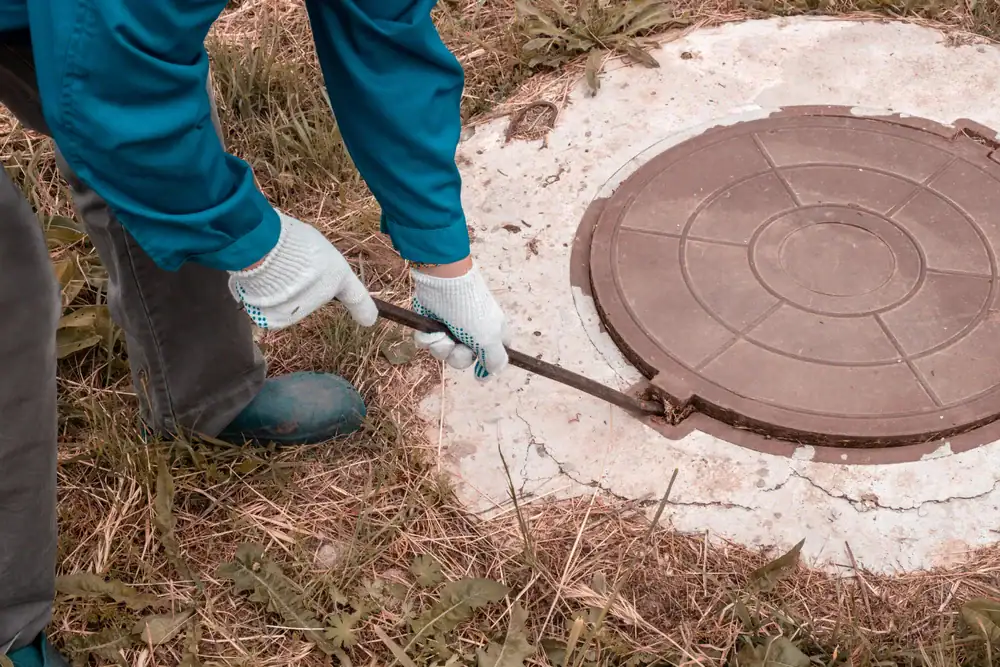
We start with a comprehensive safety assessment, identifying all contaminated areas and potential health hazards before anyone enters the space. Our trained technicians suit up with full protective equipment and begin immediate sewage extraction using powerful, specialized pumps.
Next comes the critical disinfection phase where we apply hospital-grade sanitizers to every surface that came into contact with sewage. We don’t just clean what you can see—we treat areas where contamination may have spread, including behind walls and under flooring.
The final step involves thorough drying and dehumidification to prevent mold growth, followed by air quality testing to ensure your home is safe for your family to return. We document everything for insurance purposes and provide you with a detailed report of all work completed.
Ready to get started?
Our sewage damage cleanup service includes everything needed to restore your Glendale home safely. We handle emergency sewage extraction, complete sanitization of all affected areas, removal and disposal of contaminated materials, and professional-grade deodorization to eliminate lingering odors.
In Glendale, sewage backups often occur during heavy rains when the city’s sewer system becomes overwhelmed, or due to blockages in the older residential areas near the Milwaukee River. Our team understands these local patterns and responds quickly to minimize damage.
We also coordinate directly with your insurance company, providing detailed documentation and photos that support your claim. This local expertise means faster approvals and less stress for you during an already difficult time.
Call immediately—within the first hour if possible. Sewage contains dangerous bacteria like E. coli and Salmonella that multiply rapidly, creating serious health risks for your family.
The longer sewage sits in your home, the deeper it penetrates into flooring, walls, and furniture. What starts as a surface cleanup can quickly become a major restoration project requiring removal of drywall, flooring, and other building materials.
Mold growth begins within 24-48 hours in sewage-contaminated areas, especially in Wisconsin’s humid climate. Fast action prevents these secondary problems and significantly reduces both health risks and repair costs.
No, sewage cleanup should never be attempted without proper training and equipment. Raw sewage contains Category 3 water, which is grossly contaminated and poses serious health risks even with brief exposure.
Professional sewage cleanup requires specialized protective equipment, industrial-grade disinfectants, and proper disposal methods that aren’t available to homeowners. Even small exposures can lead to gastrointestinal illness, skin infections, or respiratory problems.
Our trained technicians follow strict safety protocols and use hospital-grade sanitizers that eliminate harmful pathogens completely. We also have the expertise to identify hidden contamination that untrained eyes might miss.
In Glendale, sewage backups most commonly occur during heavy rainstorms when the city’s sewer system becomes overwhelmed. The Milwaukee Metropolitan Sewerage District handles treatment, but local lines can back up when stormwater exceeds capacity.
Tree root intrusion is another major cause, especially in older Glendale neighborhoods where mature trees can infiltrate sewer lines through small cracks. Blockages from inappropriate items flushed down toilets or poured down drains also create backups.
Aging infrastructure in some parts of Glendale means pipes are more susceptible to breaks and blockages. Regular maintenance and being mindful of what goes down your drains helps prevent many backup situations.
Coverage depends on your specific policy and the cause of the backup. Many standard homeowner’s policies don’t automatically cover sewage backups, but you may have purchased additional sewer backup coverage.
If the backup originated from the city’s main sewer line, you might have coverage under your policy’s sudden and accidental water damage provision. However, if the backup resulted from a blockage in your home’s lateral line, coverage varies significantly.
We work directly with insurance companies and help document the damage properly to support your claim. Our detailed reports and photos often make the difference in getting claims approved quickly and for the full amount needed.
Emergency extraction and initial sanitization typically take 4-8 hours, depending on the extent of contamination. However, complete restoration including drying, deodorization, and any necessary repairs can take 3-7 days.
The drying process is crucial and can’t be rushed—moisture meters must show safe levels before we consider the job complete. Wisconsin’s humidity means this phase often takes longer than in drier climates, but proper drying prevents mold growth and structural damage.
We provide regular updates throughout the process and can often arrange temporary housing assistance through your insurance if your home isn’t habitable during cleanup. Our goal is thorough restoration, not quick fixes that create problems later.
Sewage exposure can cause immediate symptoms like nausea, vomiting, diarrhea, and skin irritation from bacteria like E. coli, Salmonella, and Campylobacter. More serious infections including Hepatitis A and Leptospirosis are also possible.
Respiratory problems develop from inhaling toxic gases that sewage produces, including methane and hydrogen sulfide. These gases can cause headaches, dizziness, and breathing difficulties, especially in enclosed spaces like basements.
Long-term health risks include chronic digestive issues and respiratory problems if mold develops from inadequate cleanup. Children, elderly family members, and those with compromised immune systems face the highest risks and should stay away from contaminated areas completely.
Other Services we provide in Glendale