
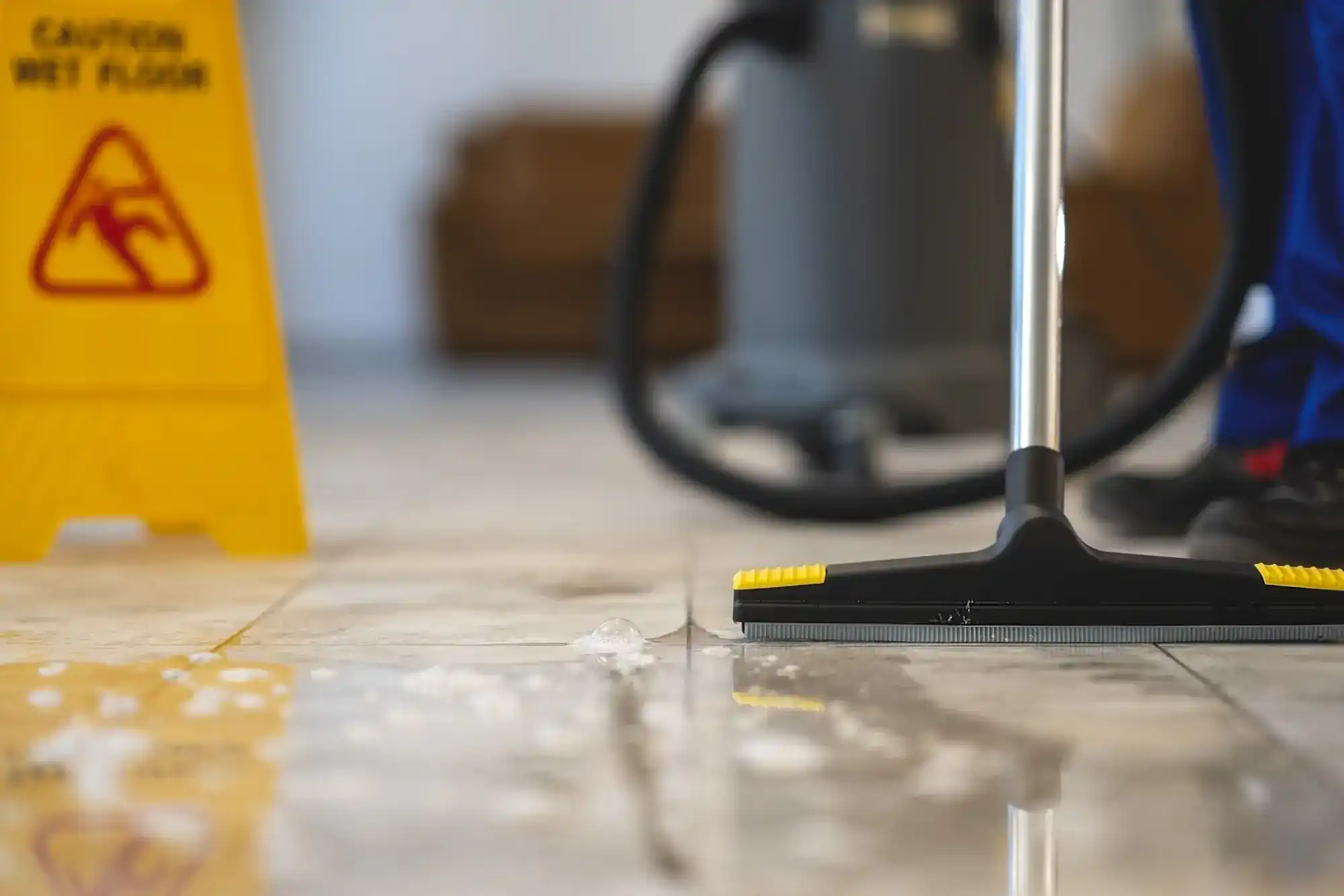

When water floods your basement or fire damages your kitchen, the clock starts immediately. Mold can begin growing within 24 to 48 hours of water exposure. Smoke residue sets deeper into walls and belongings with every passing day.
You need someone who responds in under an hour, not tomorrow morning. Someone who extracts standing water, sets up industrial dehumidifiers, and stops secondary damage before it compounds your loss.
That’s what our damage restoration services in Tippecanoe actually do. The work isn’t just about drying things out or cleaning up soot. It’s about preventing a bad situation from becoming a worse one, then walking you through insurance documentation, repair timelines, and what to expect at each stage until your home functions normally again.
Flood Guys Restoration exists because too many homeowners in Tippecanoe have dealt with restoration companies that inflate scopes, push unnecessary work, or go silent when questions come up. We built this company to be the opposite.
You work with a local team that understands Wisconsin winters mean burst pipes and ice dams. We know storm season brings wind damage and flooding. We’ve handled property damage restoration in Tippecanoe long enough to know what insurance companies require, what actually needs to be torn out versus saved, and how to keep you informed without overwhelming you.
Every job gets a dedicated project manager. You’re not handed off between random crew members or left wondering what’s happening next.
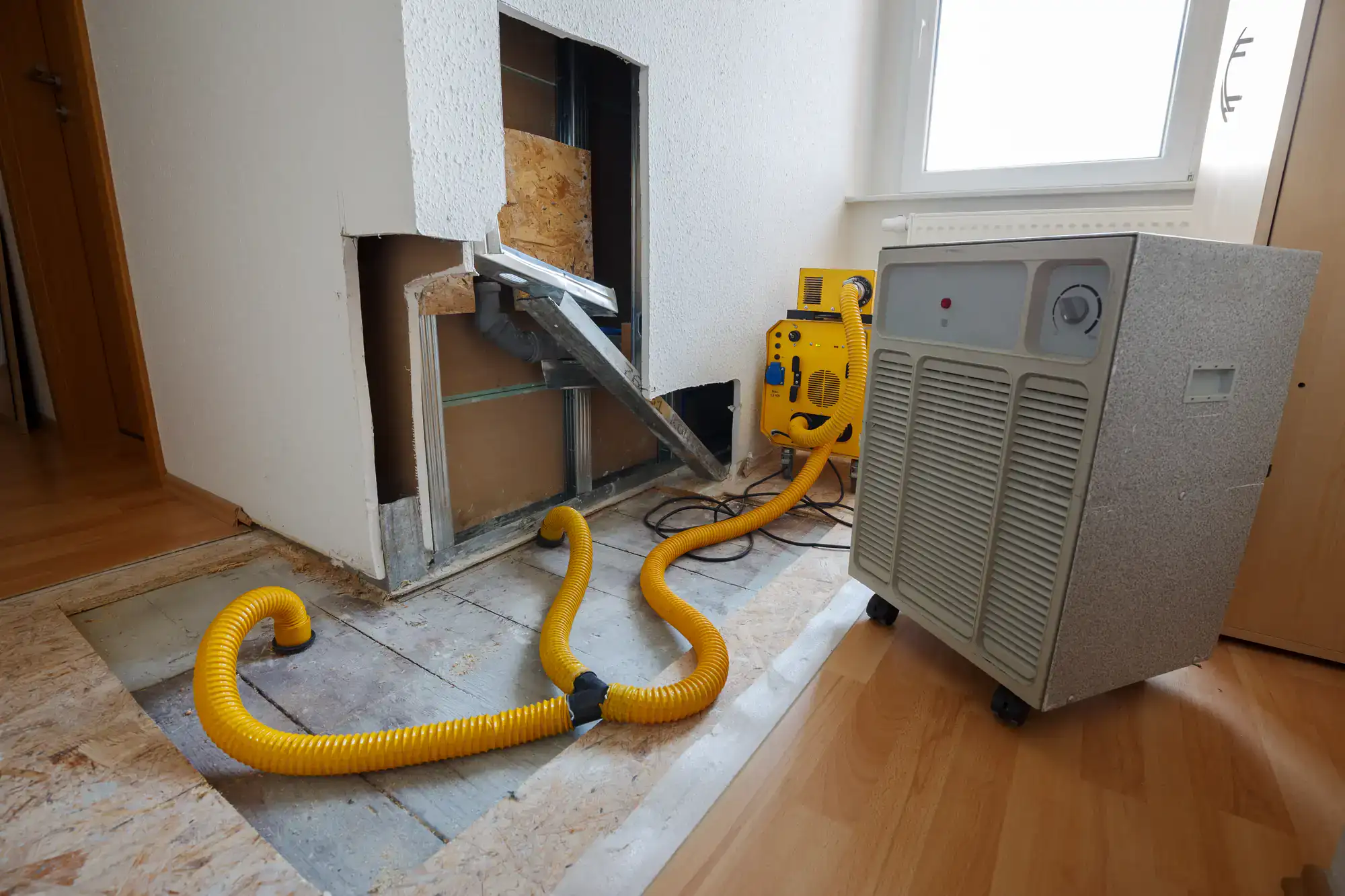
First, we show up. Our response time is typically under 60 minutes for emergency restoration calls in Tippecanoe. A technician assesses the damage, identifies safety concerns, and explains what needs to happen immediately versus what can wait.
Next comes containment and extraction. We stop the source if it’s still active, remove standing water, pull out unsalvageable materials, and set up drying equipment. This phase prevents mold growth and further structural damage.
Then we document everything for your insurance claim. Photos, moisture readings, scope of work. Your project manager coordinates directly with your adjuster so you’re not translating between parties or chasing paperwork.
Finally, we handle repairs. Drywall, flooring, paint, whatever was damaged. You’re not calling multiple contractors or managing separate timelines. One team takes it from disaster to done.
Ready to get started?
You get 24-hour emergency response, every day of the year. Water doesn’t wait for business hours, and neither do we. When you call us, someone answers and dispatches a crew.
You get complete water damage restoration. That includes extraction, structural drying, dehumidification, antimicrobial treatment, and reconstruction. We handle basement floods, burst pipes, appliance leaks, and storm intrusion.
Fire and smoke damage restoration is part of what we do. Soot removal, odor elimination, content cleaning, and structural repairs. Small kitchen fires to whole-structure events.
You also get full insurance claim assistance. We document losses, provide detailed estimates, and communicate directly with adjusters. Most homeowners in Tippecanoe work with insurance companies they’ve never filed a claim with before. We work with them regularly and know what they need to approve your claim without delays.
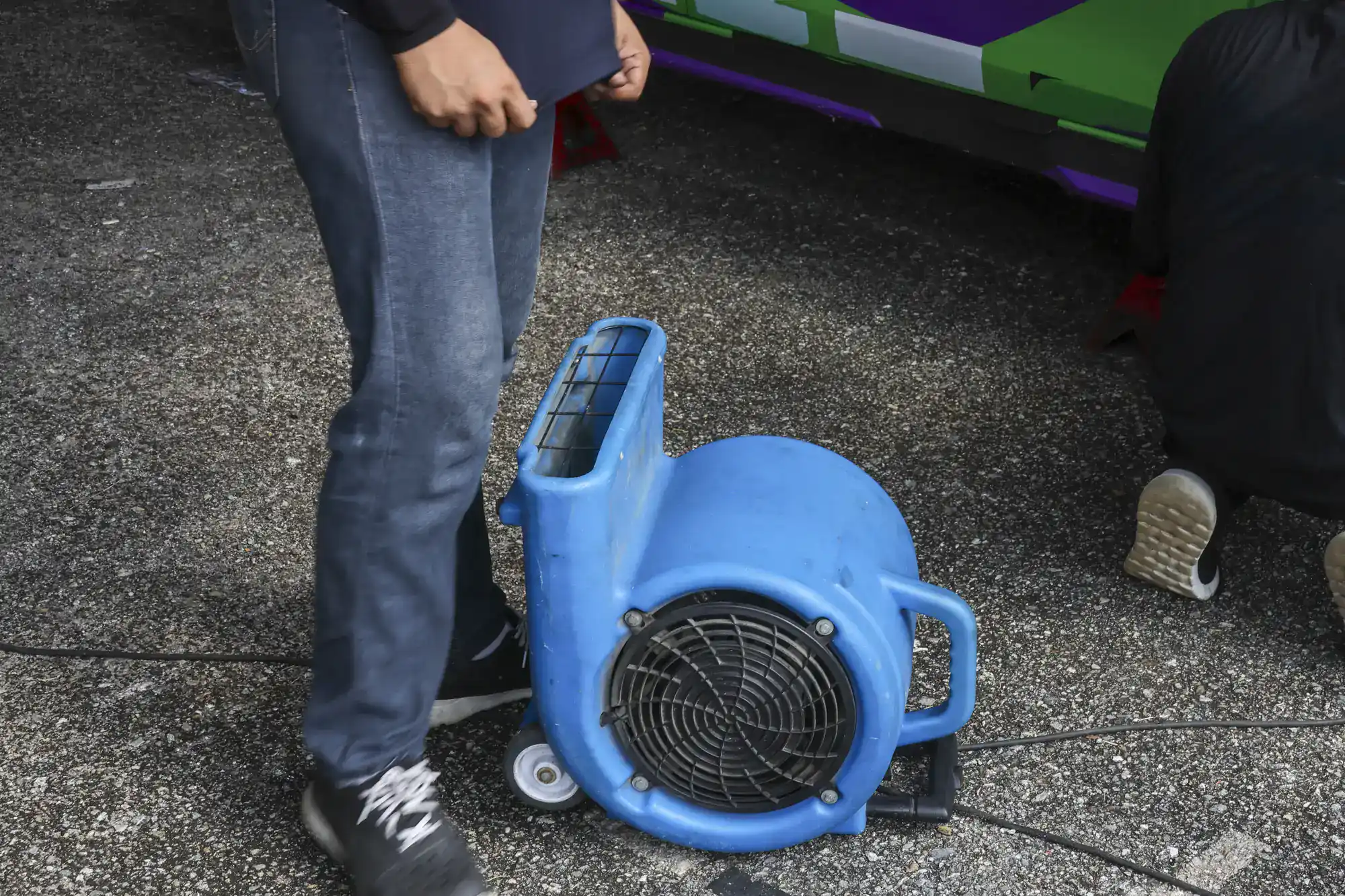
Our typical response time for emergency calls in Tippecanoe is under 60 minutes. That’s not a marketing claim—it’s what happens when you keep local crews ready and don’t overextend your service area.
Speed matters because water damage escalates quickly. The difference between a one-day drying job and a full mold remediation project often comes down to how fast extraction and dehumidification start. The first company on-site is also three times more likely to get the job, which is why we prioritize rapid response.
When you call, you talk to someone immediately. No voicemail, no “we’ll get back to you.” We dispatch a technician, give you an estimated arrival time, and follow through. If something delays us, you get a call with an update.
Most homeowner’s policies in Wisconsin cover sudden and accidental water damage, fire damage, and storm-related losses. That includes burst pipes, appliance failures, lightning strikes, and wind damage. What they typically don’t cover is gradual damage, like a slow leak you didn’t know about, or flood damage from rising water outside your home.
The key is documentation. Insurance companies need proof of what happened, when it happened, and what it’s going to cost to fix. We handle that documentation as part of our process—photos, moisture readings, detailed estimates formatted the way adjusters expect to see them.
We also work directly with your insurance company. You’re not stuck in the middle translating between your adjuster and your restoration crew. We’ve worked with nearly every major carrier operating in Tippecanoe and know what they require to approve claims without back-and-forth delays.
Water extraction is the first step—removing standing water with pumps and extractors. It’s critical, but it’s not restoration. You can pull every gallon of visible water out of a basement and still end up with mold, warped floors, and ruined drywall if you stop there.
Restoration means drying the structure completely, not just the surface. That requires industrial dehumidifiers, air movers, and moisture meters to track progress in walls, subfloors, and framing. It also means treating affected areas with antimicrobial solutions to prevent mold growth, removing materials that can’t be saved, and rebuilding what was damaged.
In Tippecanoe, where winter pipes burst and spring storms flood basements regularly, we see the consequences of incomplete drying all the time. Homeowners hire someone cheap to pump out the water, then call us three weeks later when mold appears or floors start buckling. Doing it right the first time costs less than doing it twice.
Drying time alone usually takes three to five days, depending on how much water was involved and what materials got wet. Hardwood floors and plaster walls take longer to dry than vinyl and drywall. Humidity levels and airflow also affect the timeline.
Reconstruction adds time based on scope. Replacing drywall and baseboards might add a week. Rebuilding a fire-damaged kitchen could take several weeks. Your project manager gives you a realistic timeline upfront and updates you if anything changes.
What slows jobs down most often isn’t the work itself—it’s waiting on insurance approvals or material deliveries. We stay on top of both to keep things moving, but some delays are outside anyone’s control. When that happens, you’ll know why and what we’re doing about it.
It depends on the extent of the damage and what phase of restoration we’re in. For minor water damage confined to one area, most homeowners stay in place. We contain the work zone with plastic barriers and run equipment in a way that minimizes disruption.
For larger losses—especially fire damage with smoke and soot throughout the home—leaving temporarily is often safer and more comfortable. Demo work creates dust. Drying equipment runs loud. Ozone machines and thermal foggers used for odor removal require the space to be unoccupied.
If you do need to relocate, your homeowner’s insurance policy likely includes loss-of-use coverage that pays for temporary housing. We help document that need for your claim. Either way, your project manager walks you through what to expect so you can plan accordingly and aren’t surprised by noise, equipment, or access needs.
For water damage, stop the source if you can do it safely. Shut off the main water valve if a pipe burst. Turn off the water supply line if an appliance is leaking. Then move valuables and electronics out of the affected area and call us immediately.
Don’t wait to see if it dries on its own. It won’t—not properly. And every hour you wait increases the likelihood of mold growth and structural damage.
For fire damage, make sure everyone is out and safe first. Don’t re-enter until the fire department clears the structure. Once it’s safe, don’t clean anything yourself—soot and smoke residue require specific techniques and products. Wiping walls with household cleaners can actually set stains permanently. Call your insurance company to report the loss, then call us to start the restoration process. We’ll secure the property, assess damage, and begin cleanup as soon as you’re cleared to proceed.
Other Services we provide in Tippecanoe