
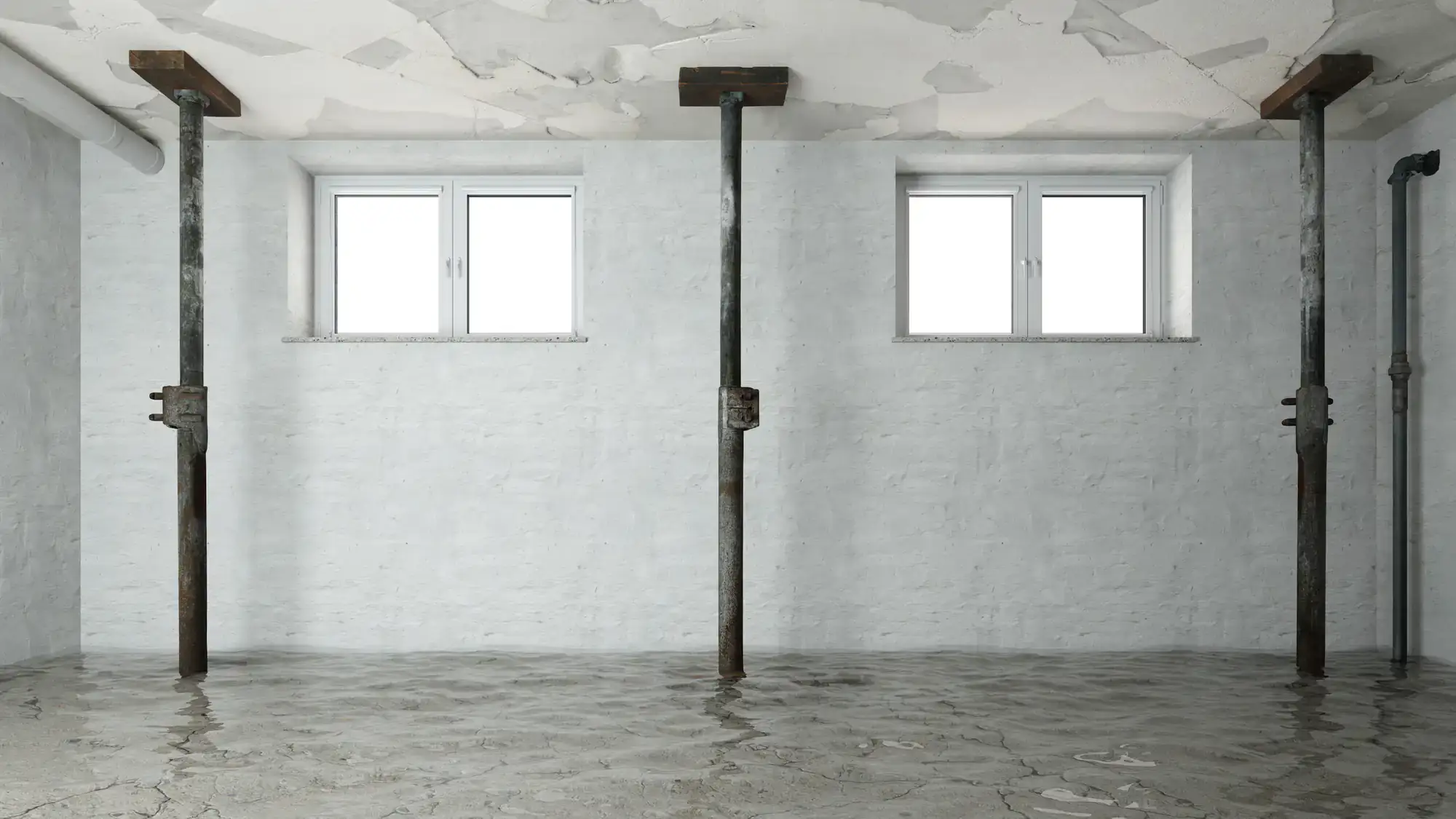
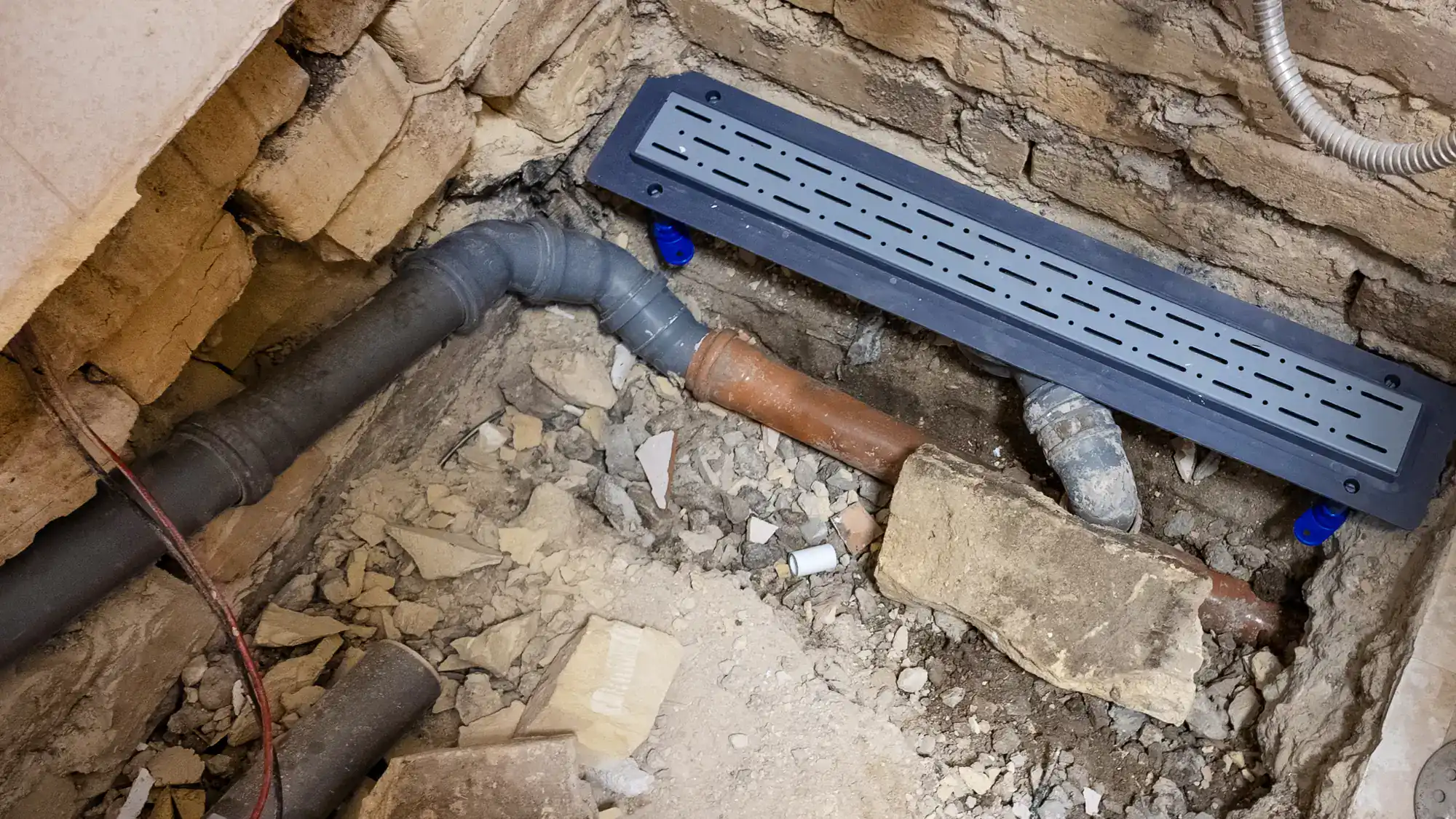
When you’re standing in a flooded basement in Tippecanoe, WI, the clock starts immediately. Mold can begin growing within 24 to 48 hours once water sits in your space. That’s not a scare tactic—it’s biology.
Our job is to get the water out fast, dry your basement completely, and give you a clear picture of what needs to happen next. You’re not getting a sales pitch. You’re getting emergency water extraction, industrial drying equipment, and someone who’ll walk you through the process like you’re a neighbor, not a transaction.
Most people don’t know if their insurance covers this, if their sump pump failed for good, or whether their belongings are salvageable. We do. And we’ll tell you straight what’s worth saving, what’s not, and how to move forward without wasting time or money on work you don’t need.
We exist because too many homeowners in Tippecanoe, WI and across Wisconsin have been burned by restoration companies that inflate estimates, disappear mid-job, or push unnecessary work when you’re vulnerable.
We built this company to be the opposite. You’ll talk to real people who return calls, explain what’s happening in plain language, and treat your home the way we’d want ours treated. No inflated scopes. No vanishing act after the invoice clears.
Wisconsin’s spring thaw, heavy rains, and aging sump pumps create basement flood situations that need more than a shop vac and a fan. You need a team that understands how water moves through your foundation, how to dry structural materials properly, and how to document everything so your insurance claim doesn’t get denied on a technicality.
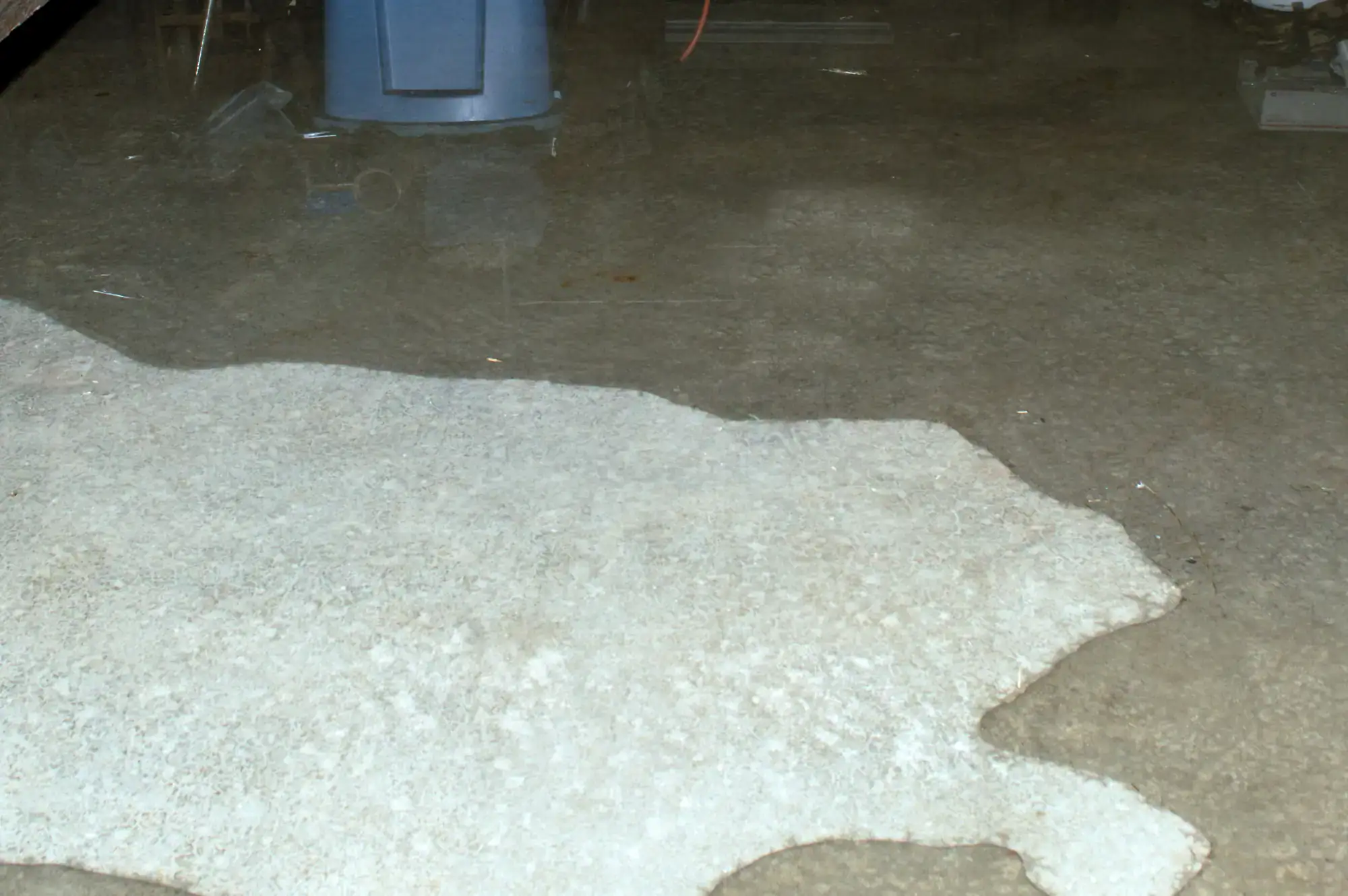
First, we answer. That sounds basic, but when your basement’s flooding at 11 p.m. on a Sunday, it matters. We’re available 24/7 because basement floods don’t wait for business hours.
When we arrive, we assess the situation—where the water’s coming from, how much is standing, and what’s been affected. Then we pump out the flooded basement using commercial-grade extraction equipment. This isn’t a wet vac from the hardware store. We’re pulling hundreds of gallons out fast.
Once the standing water’s gone, we set up dehumidifiers and air movers to dry out everything you can’t see—inside walls, under flooring, in structural materials. Moisture meters tell us when your basement is actually dry, not when it looks dry. There’s a difference, and that difference is whether mold shows up three weeks from now.
Throughout the process, you’ll get updates. You’ll know what we’re doing, why we’re doing it, and what to expect next. If insurance is involved, we’ll document everything and work directly with your adjuster so you’re not playing middleman while trying to get your life back to normal.
Ready to get started?
Every basement flood in Tippecanoe, WI is a little different, but the core process stays the same. You’re getting complete water extraction, structural drying, moisture monitoring, and mold prevention. If there’s sewage involved or your sump pump overflowed, we handle contaminated water safely with the right protective equipment and disposal methods.
We also help you navigate the insurance side. A lot of homeowners don’t realize that standard policies don’t cover all flooding—sewer backups and sump pump failures often require separate endorsements. We’ll document the damage, take photos, and communicate directly with your insurance company so your claim has the best chance of approval.
Spring flooding is especially common here because Wisconsin’s freeze-thaw cycle creates the perfect conditions. Snow melts faster than frozen ground can absorb it, and all that water heads straight for your foundation. Add in an overwhelmed sump pump or a crack in your basement wall, and you’ve got a flooded basement cleanup project on your hands. We’ve seen it dozens of times, and we know exactly how to handle it.
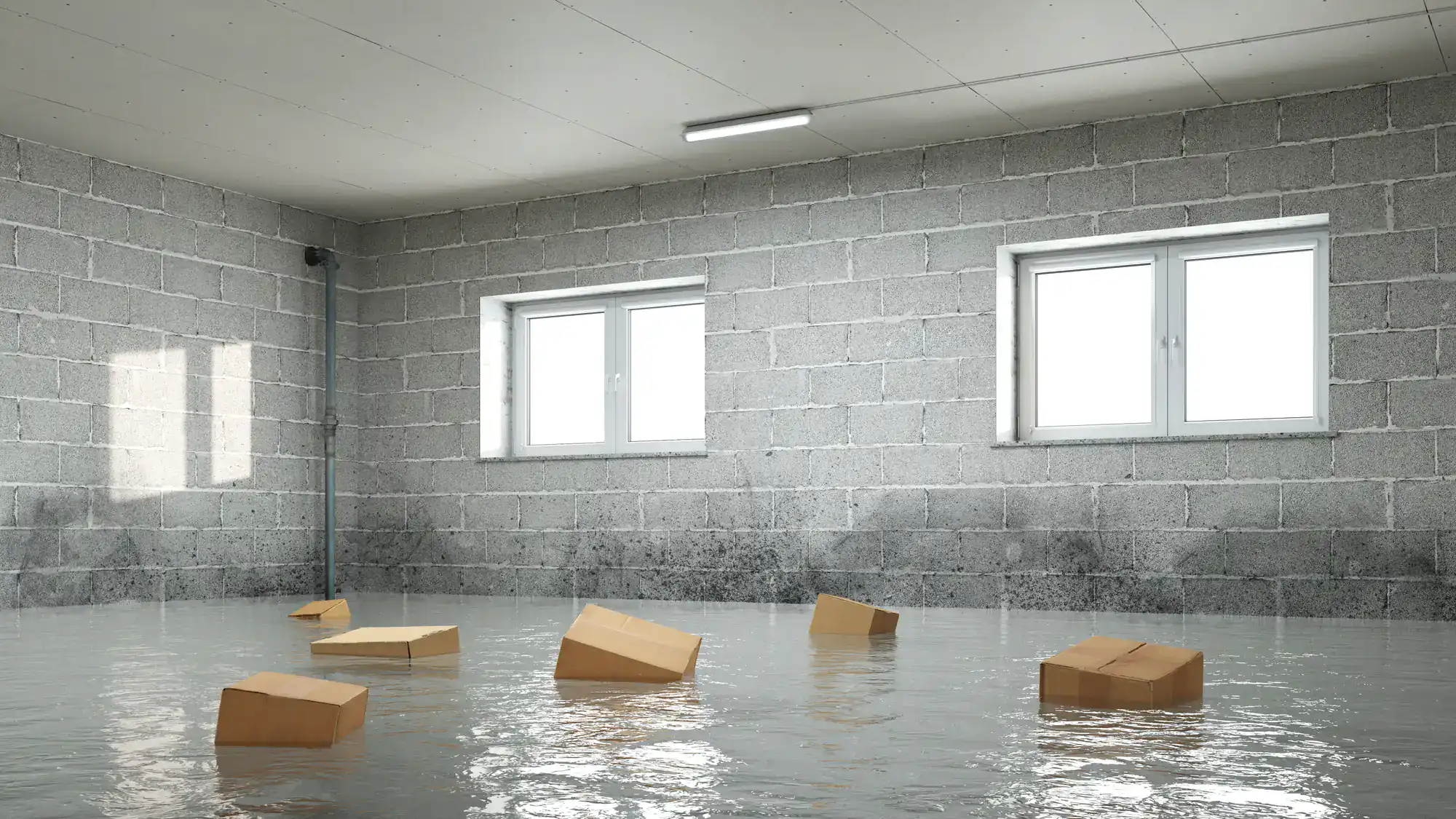
We run emergency response around the clock, so when you call about a basement flood in Tippecanoe, WI, you’re talking to someone who can dispatch a crew immediately—not a voicemail or an answering service that’ll get back to you tomorrow.
Response time matters because the longer water sits, the more damage it causes. Drywall wicks moisture up the walls. Flooring starts to buckle. Mold spores start settling in. Our goal is to get boots on the ground as fast as possible, usually within a couple of hours depending on where we’re coming from and what else is happening that day.
If it’s a widespread weather event—like a spring thaw that’s flooding basements all over the area—we’ll be straight with you about timing. But we’re not going to leave you hanging or wondering when help is coming.
It depends on what caused the flood. Standard homeowners insurance typically doesn’t cover flooding from outside sources—like groundwater seeping in during heavy rain or snowmelt. That requires separate flood insurance, which a lot of people in Tippecanoe don’t carry because the area isn’t in a high-risk flood zone.
However, if your basement flooded because of a burst pipe, a failed appliance, or sudden internal plumbing failure, your homeowners policy will usually cover the water damage restoration. Sump pump failures and sewer backups are tricky—they often require specific endorsements that aren’t included in standard policies.
We’ll help you figure out what applies to your situation. We work with insurance companies regularly, so we know how to document everything properly and communicate in the language adjusters expect. That makes the claims process faster and less frustrating for you.
Mold prevention comes down to one thing: complete drying. If moisture stays trapped in your walls, flooring, or insulation, mold will grow. The 24 to 48-hour window you hear about isn’t a guarantee—it’s a guideline based on how quickly mold spores can colonize in the right conditions.
We use moisture meters and thermal imaging to find hidden water that you can’t see. Then we set up commercial dehumidifiers and air movers to pull that moisture out of structural materials. We don’t just dry the surface—we dry the framing, the subfloor, and anything else that got wet.
Once everything hits the target moisture level, we do a final check before we pack up. If any materials are too damaged to dry properly—like soaked insulation or warped drywall—we’ll recommend removal and replacement. Leaving compromised materials in place just to save a few bucks is how you end up with a mold problem three months later.
If you’ve got a small amount of clean water in a contained area—maybe a few square feet from a minor leak—you can probably handle it yourself with a shop vac, fans, and a dehumidifier from the hardware store. The EPA uses roughly 10 square feet as a reasonable DIY threshold.
But if your entire basement is flooded, if the water’s contaminated from a sewer backup or sump pump overflow, or if water got into your HVAC system or walls, you need professional equipment and expertise. Our extraction pumps move hundreds of gallons per hour. Our dehumidifiers are industrial-grade and designed to dry out structural materials, not just the air in a room.
There’s also the health factor. Contaminated water carries bacteria and pathogens that require proper PPE and disposal methods. And if you have anyone in your home with asthma, allergies, or a compromised immune system, professional cleanup isn’t just smart—it’s necessary to protect their health.
Most basement flood jobs in Tippecanoe, WI take three to five days to dry completely, but it depends on how much water was involved, what materials got wet, and the conditions in your basement. Concrete dries slower than drywall. Finished basements with carpet and insulation take longer than bare foundations.
We don’t guess. We measure moisture levels daily with meters, and we don’t pull equipment until the readings confirm everything’s dry. Rushing the process just to close out a job is how you end up with hidden moisture and mold growth later.
If your basement has poor ventilation or high humidity to begin with, drying might take a bit longer. We’ll give you realistic expectations up front and keep you updated as we go. The goal isn’t to hit some arbitrary timeline—it’s to make sure your basement is actually dry and safe before we’re done.
Yes. We document everything from the moment we arrive—photos, moisture readings, equipment logs, and a detailed scope of what’s damaged and what needs to happen. Insurance adjusters want specific information presented in a specific way, and we’ve done this enough times to know exactly what they’re looking for.
We’ll communicate directly with your adjuster, provide estimates, and answer their questions so you’re not stuck playing telephone between us and the insurance company. If they need additional documentation or want to inspect the site themselves, we coordinate that.
Our job is to make the claims process as smooth as possible while you’re dealing with everything else a basement flood throws at you. You shouldn’t have to become an expert in insurance policy language or restoration terminology just to get your claim approved. That’s what we’re here for.
Other Services we provide in Tippecanoe