
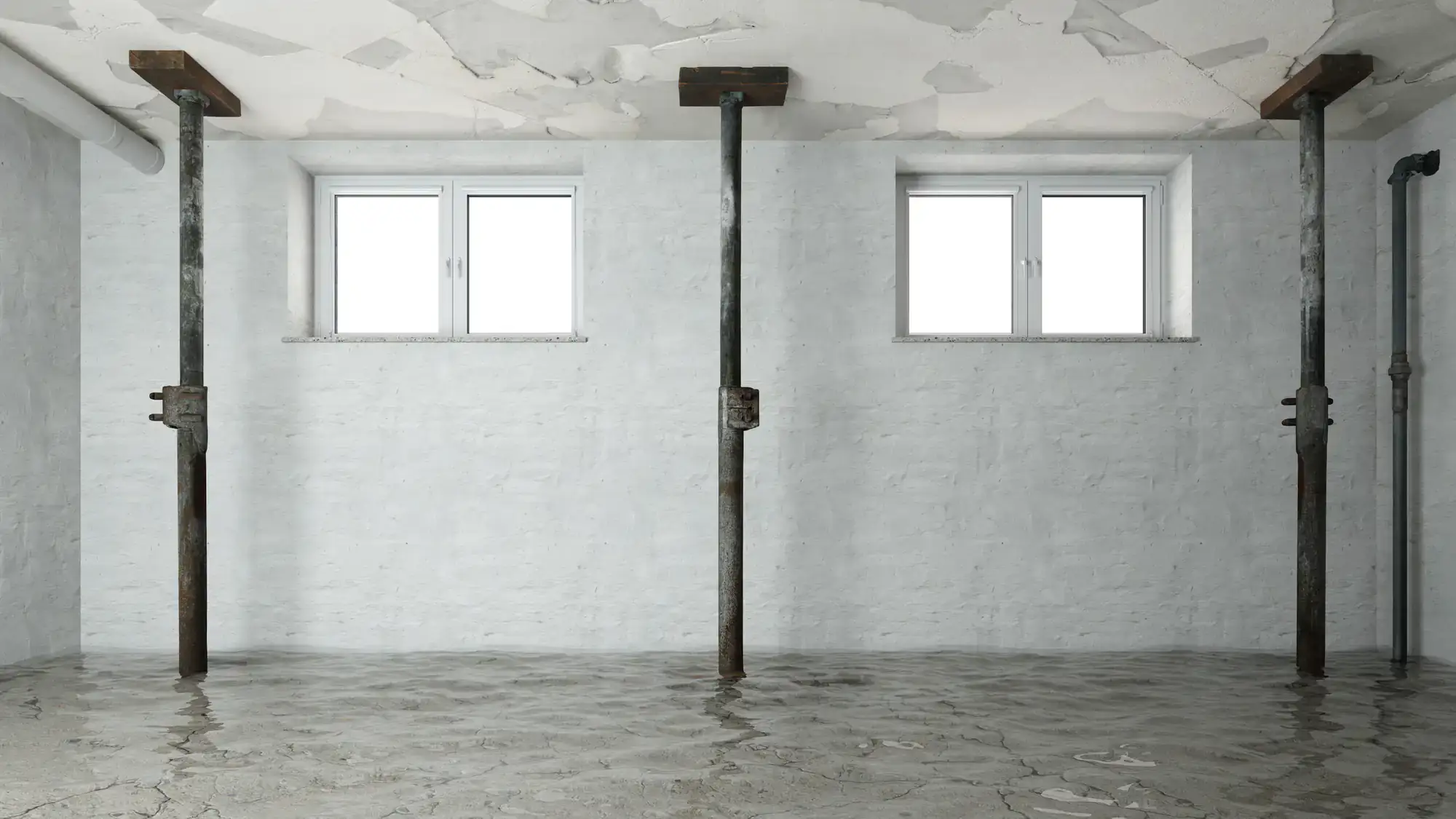
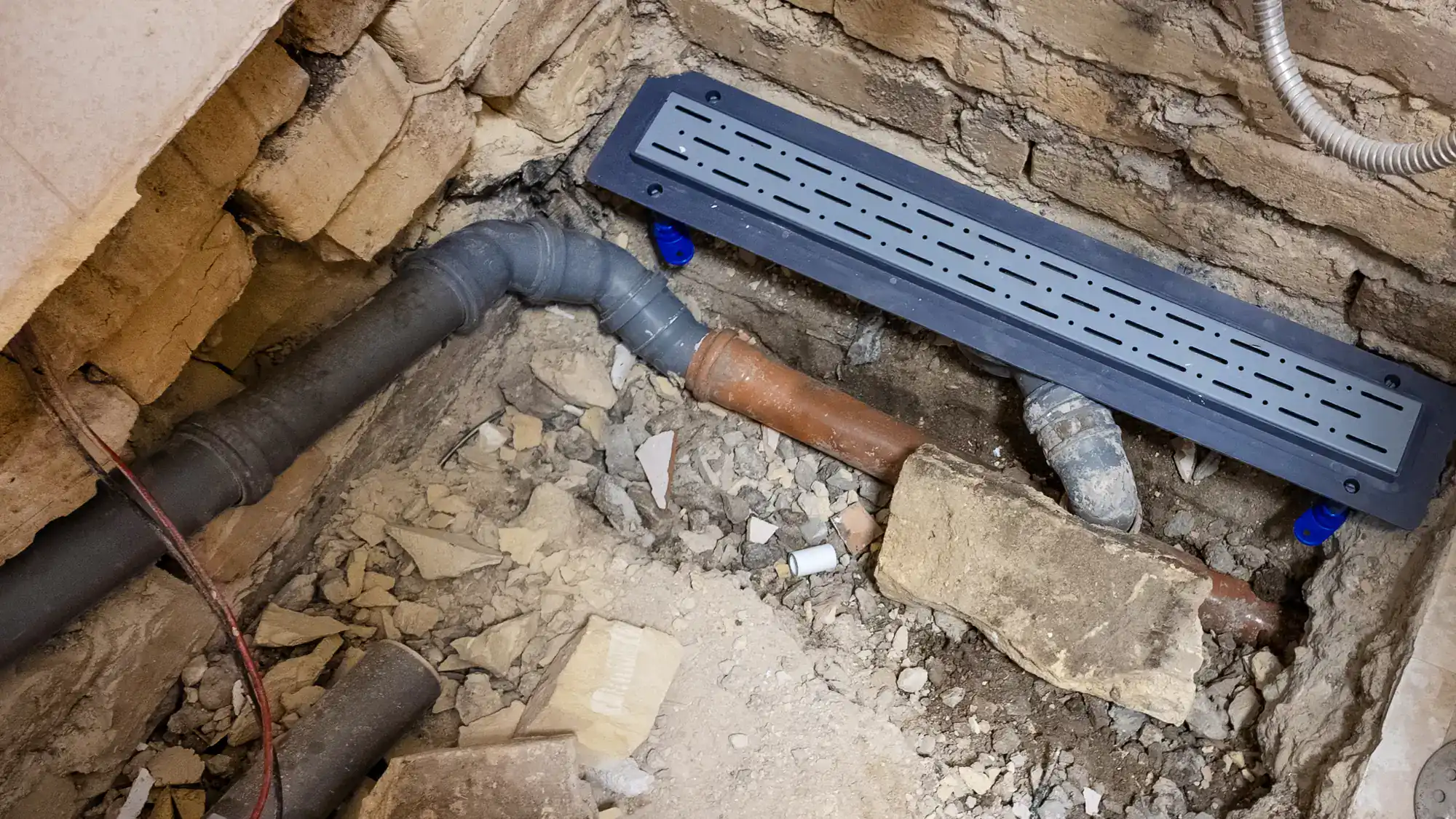
Standing water in your basement isn’t just an inconvenience. It’s actively damaging your foundation, feeding mold spores, and soaking into materials that’ll cost thousands to replace if they stay wet too long.
Our flooded basement cleanup in Nash Park pulls water from everywhere it hides. Not just the obvious puddles—we’re talking about what’s trapped in carpet padding, wicking up drywall, and pooling under your water heater. Industrial extraction equipment removes what shop vacs and towels can’t touch.
Then comes the part most people skip: thorough drying. We don’t pack up when the floor looks dry. Moisture meters tell us what’s still wet behind walls and under flooring. Dehumidifiers and air movers run until readings hit safe levels. You get a basement that’s actually dry, not just surface-level acceptable.
That’s how you avoid the call six weeks later about black mold growing where water never fully dried. Your home stays healthy. Your family stays safe. The problem actually gets solved.
We’ve worked in Nash Park long enough to know what causes basement floods here. Your neighborhood sits on clay soil that doesn’t drain well. Most homes were built between 1940 and 1969, before modern waterproofing standards. Sump pumps fail during spring storms when you need them most.
We’re not a national franchise reading from a script. We’re a family-owned company that’s been handling Milwaukee-area water damage since 1941. When your basement floods at 2 AM, you’re talking to someone who understands exactly what’s happening and what needs to happen next.
Our team shows up fast, communicates clearly, and documents everything your insurance company needs to see. No inflated estimates. No unnecessary work. Just honest assessment and thorough execution from people who treat your home like it’s ours.
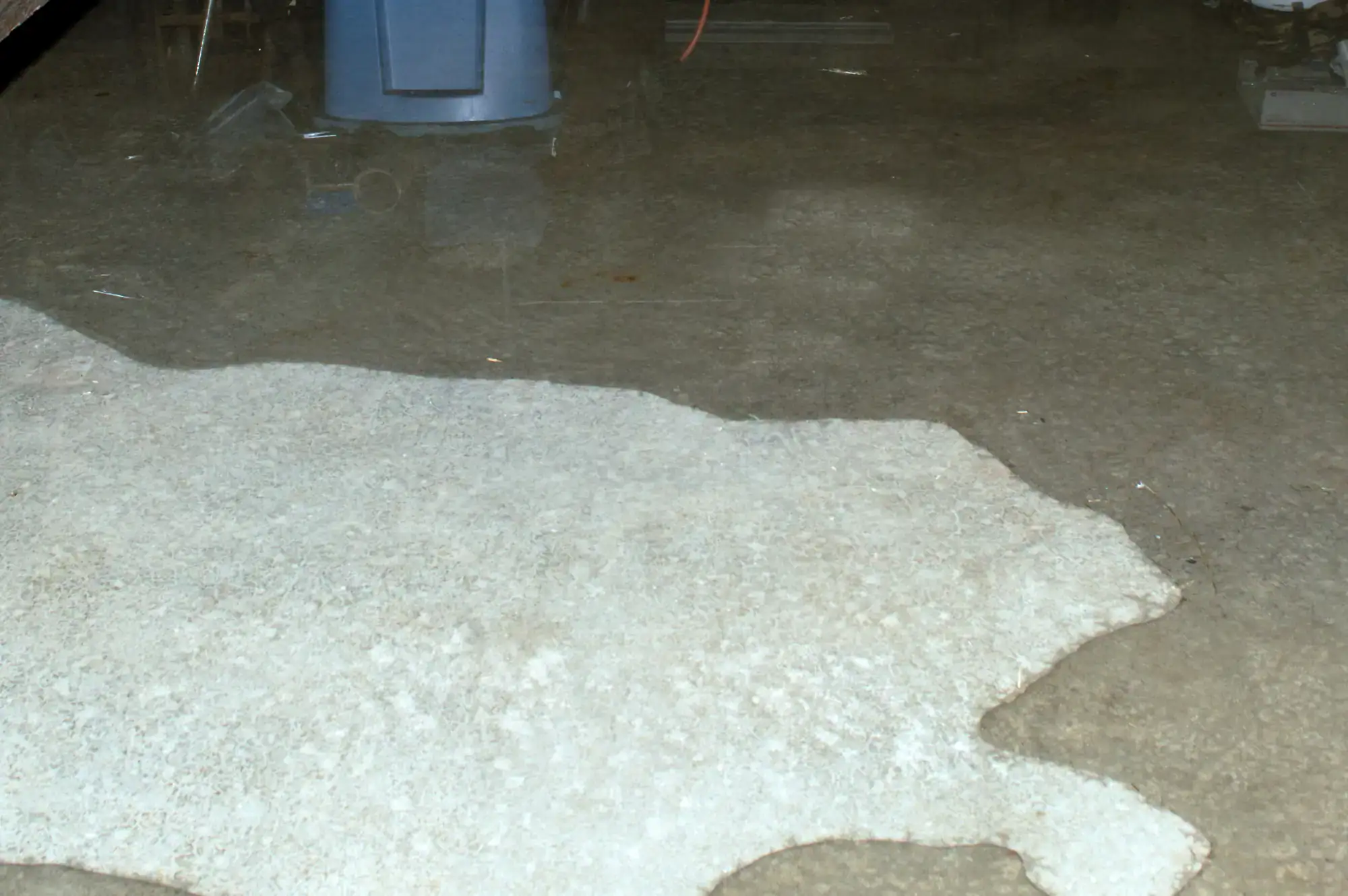
First, we answer. 24/7 means someone picks up the phone, not an answering service that’ll call you back in the morning. You explain what’s happening, we ask a few questions to understand the situation, and we’re on our way—usually within an hour.
When we arrive, we assess the damage before touching anything. Where’s the water coming from? What materials are affected? How far has it spread? We take photos and moisture readings that document everything for your insurance claim. Then we get to work.
Water extraction comes first. We pump out flooded basements using truck-mounted equipment that pulls thousands of gallons per hour. Portable extractors handle what’s soaked into carpets and padding. Everything that can be saved gets extracted. Everything too damaged to salvage gets documented and removed.
Drying is where most companies cut corners. We don’t. Air movers and dehumidifiers stay on-site for days, not hours. We monitor moisture levels in walls, floors, and structural materials until readings confirm everything’s dry. Our project managers check progress daily and keep you updated on exactly where things stand.
You’re not guessing when it’s safe to move back in. You’re not wondering if mold will show up next month. You know the job was done right because we proved it with documentation and consistent communication from start to finish.
Ready to get started?
Complete basement water removal service in Nash Park means more than just pumping out standing water. You’re getting a full-scope response that addresses immediate damage and prevents future problems.
We extract all visible and hidden water using industrial equipment designed for residential spaces. Nash Park homes have tight basements and low ceilings—our team uses compact, powerful extractors that fit your space while delivering commercial-grade results. Carpet, padding, drywall, insulation—if it’s wet, we pull the water out or remove it entirely.
Structural drying follows extraction. We set up air movers to circulate air across all affected surfaces and dehumidifiers to pull moisture from the air itself. This equipment runs continuously, monitored by moisture meters that track progress in real time. You’re not paying for guesswork. You’re paying for verified dryness that prevents mold growth and structural damage.
Milwaukee’s spring weather makes basement flooding common in Nash Park. Heavy rains overwhelm aging sewer systems. Sump pumps fail during power outages. Groundwater seeps through foundation cracks that weren’t an issue until the last big storm. We’ve handled all of it, and we know how water moves through these older homes.
Insurance documentation is part of every job. We photograph damage, log equipment placement and run times, and provide detailed reports that adjusters actually need. If your policy covers sump pump failure or sewer backup, we help you navigate those specific claims so you’re not fighting for coverage you already paid for.
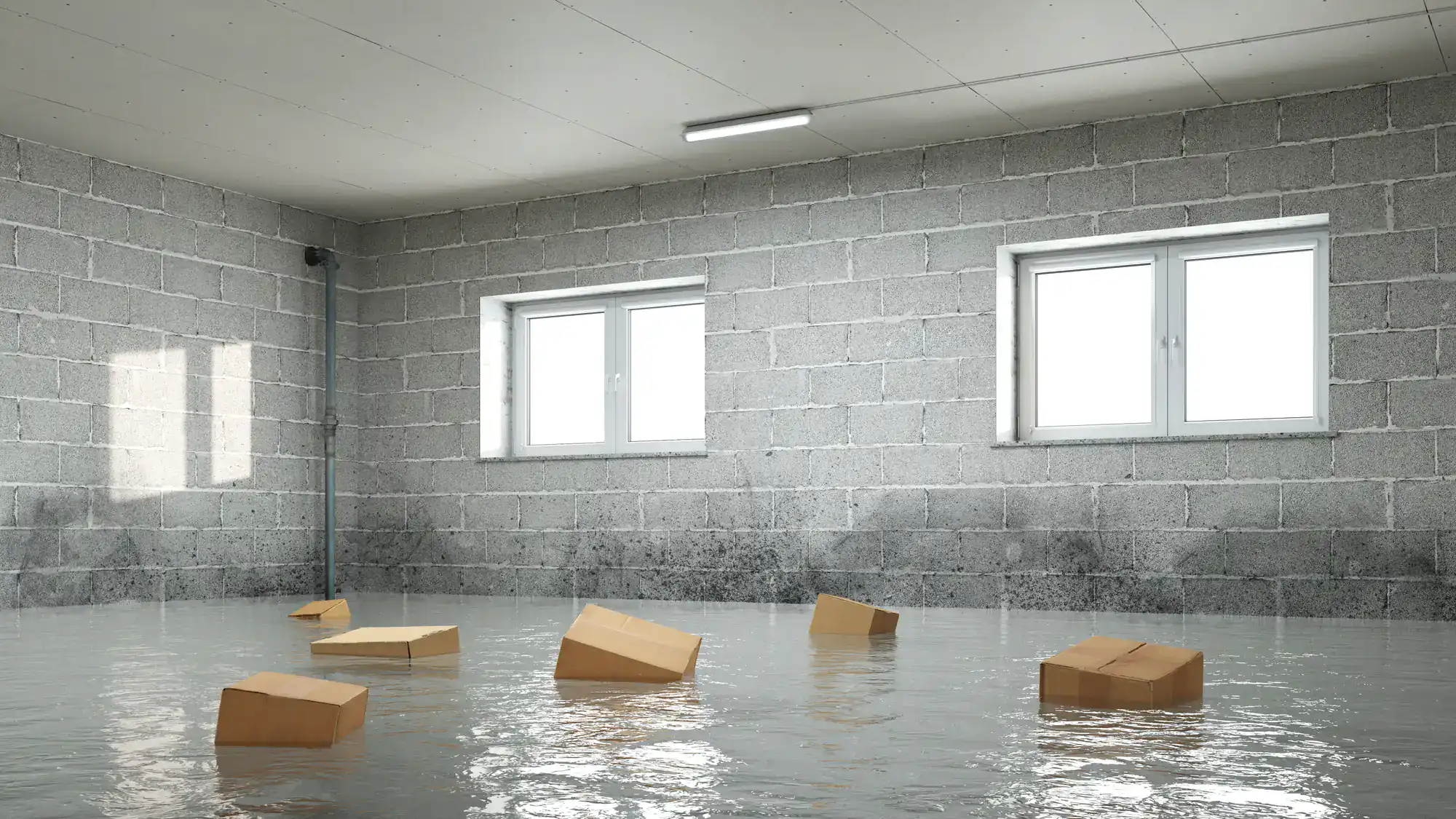
We’re typically on-site within an hour of your call, sometimes faster depending on where our crew is when you reach us. Basement floods don’t wait for business hours, and neither do we.
Speed matters because water damage accelerates fast. The first 24 hours determine whether your drywall can be saved or needs replacement. The first 48 hours are when mold starts growing in damp materials. The longer water sits, the more expensive and extensive the damage becomes.
When you call, we ask a few quick questions to understand what’s happening—how much water, where it’s coming from, whether it’s still actively flooding. Then we dispatch a crew with the right equipment for your situation. Our trucks carry extraction pumps, air movers, dehumidifiers, and moisture detection tools so we can start work immediately instead of showing up to assess and leaving to get equipment.
It depends on how the water entered your basement. Standard homeowners insurance typically covers sudden internal failures like burst pipes or water heater leaks. It usually doesn’t cover flooding from external sources like heavy rain or sewer backup unless you have specific riders.
Here’s what often surprises Nash Park homeowners: sump pump failure coverage isn’t automatic. You need to add it as an endorsement to your policy. Same with sewer and drain backup coverage. These additions are inexpensive—often $50 to $100 per year—but many people don’t realize they need them until after a flood.
We document everything for insurance purposes regardless of your coverage. Photos, moisture readings, equipment logs, detailed damage assessments—we provide what adjusters require to process claims. If you’re unsure about your coverage, we can walk you through what your policy likely covers based on the source of your basement flood. Our experience with Milwaukee-area insurance companies helps you navigate the claims process instead of fighting it alone.
Most basements take three to five days to dry completely, but that timeline shifts based on how much water you had, what materials got wet, and how long water was sitting before we started extraction.
A basement with an inch of water on concrete floors dries faster than one where water soaked into finished drywall, carpeting, and insulation. Older Nash Park homes with porous foundation materials take longer to dry than newer construction with moisture barriers. High humidity from Milwaukee’s spring weather can extend drying time because there’s already moisture in the air.
We don’t guess at dryness. Moisture meters measure water content in materials throughout the drying process. When readings drop to safe levels—typically below 15% moisture content for wood and drywall—we know it’s actually dry. Equipment stays in place and runs continuously until we hit those numbers. You’re not paying for a set number of days. You’re paying for verified results that prevent mold growth and structural problems down the road.
Sump pump failures top the list, especially during spring storms when you need them working perfectly. Nash Park’s clay soil doesn’t drain well, so groundwater builds up fast during heavy rain. Your sump pump runs constantly trying to keep up, and if it fails or loses power, water has nowhere to go except into your basement.
Older infrastructure plays a role too. Most Nash Park homes were built in the 1940s through 1960s, before modern waterproofing became standard. Foundation cracks that were fine for decades suddenly become entry points when groundwater levels rise. Sewer systems designed 60 years ago get overwhelmed by today’s storm volumes, causing backups that flood basements through floor drains.
Burst pipes hit hard during Wisconsin winters. Temperatures drop, pipes freeze, and when they thaw, you’re dealing with water spraying into your basement faster than you can contain it. Water heaters fail without warning. Washing machine hoses crack. These aren’t rare events—they’re common problems we handle multiple times every week across Milwaukee neighborhoods like Nash Park.
Yes. Documentation is built into every job we do because we know most people file insurance claims for basement floods. You’re not asking us for extra paperwork—it’s already part of how we work.
We photograph all damage before starting extraction so there’s visual proof of what your basement looked like when we arrived. Moisture readings get logged to show how wet materials were initially and how they dried over time. Equipment placement and run times go into detailed reports that show exactly what work was performed. Damage assessments list what was affected, what we saved, and what needs replacement.
Insurance adjusters want specific information presented in specific ways. We’ve worked with Milwaukee-area insurance companies long enough to know what they require. Our documentation matches what they’re looking for, which speeds up your claim instead of creating back-and-forth requests for more information. If your policy includes sump pump failure or sewer backup coverage, we help you navigate those endorsements so you’re using all available coverage. You’re dealing with enough stress—we handle the paperwork part so your claim moves forward without unnecessary delays.
Mold prevention starts with complete water removal and thorough drying. Mold needs moisture to grow, and it starts colonizing within 48 hours of water exposure. If materials stay damp, you will get mold growth—it’s not a question of if, it’s when.
Our approach removes moisture from everything, not just visible surfaces. Air movers circulate air across floors, walls, and contents to speed evaporation. Dehumidifiers pull moisture from the air itself so humidity levels drop below what mold needs to thrive. We’re targeting less than 60% relative humidity, ideally closer to 40-50%, maintained consistently until materials are dry.
Moisture meters guide the entire process. We take readings in multiple locations—drywall, flooring, structural wood, anywhere water reached. Those readings get checked daily. When numbers hit safe thresholds and stay there, we know the environment won’t support mold growth. Equipment doesn’t get pulled until we have proof that everything’s dry. That’s how you actually prevent mold instead of just hoping it doesn’t show up later. Milwaukee’s humidity makes this even more important—your basement needs to be genuinely dry, not just dry enough.
Other Services we provide in Nash Park