
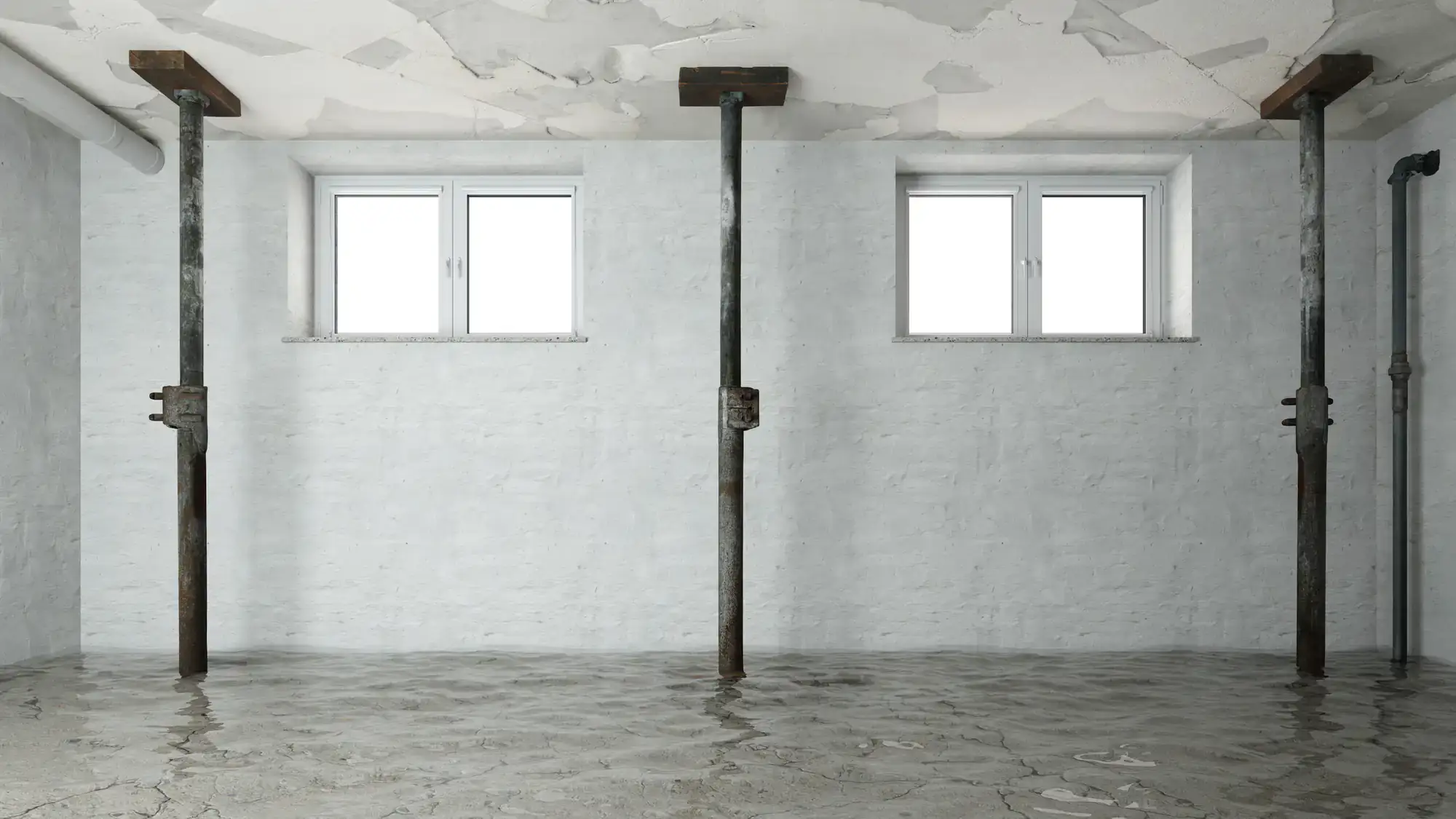
When your basement floods at 2 AM or after a storm dumps eight inches in three hours, you need someone who picks up the phone and shows up fast. You also need to know the water’s actually gone—not just what you can see, but what’s soaked into your concrete, behind your drywall, and under your flooring.
That’s what emergency water extraction in Menomonee River Valley, WI looks like when it’s done right. Industrial pumps and extractors remove standing water. Moisture meters find what’s hidden. Dehumidifiers and air movers pull out what’s left before mold gets a chance to start.
You’re not left wondering if it’s dry enough or if you’ll smell mildew in two weeks. You get a basement that’s actually dry, documentation your insurance company will accept, and a clear timeline for what happens next. No sales pitch for work you don’t need. Just the work that actually has to happen, explained in plain terms, so you can make a decision and move forward.
We handle basement water removal service in Menomonee River Valley, WI because we live here and we know what happens when the Menomonee River crests or when Milwaukee’s aging sewer system backs up into your home. We’ve seen the August 2024 floods that broke records and left over 1,100 basements underwater in a single weekend.
We’re not a national franchise reading from a script. We’re a family-owned company built specifically to be the opposite of what people fear in this industry—the inflated estimate, the unnecessary add-ons, the crew that disappears when you have questions.
You’ll work with licensed, certified technicians who explain what they’re doing and why. You’ll get a project manager who keeps you updated and moves your job through the process without you having to chase anyone down. And you’ll get honest pricing that reflects the actual work, not the panic of the moment.
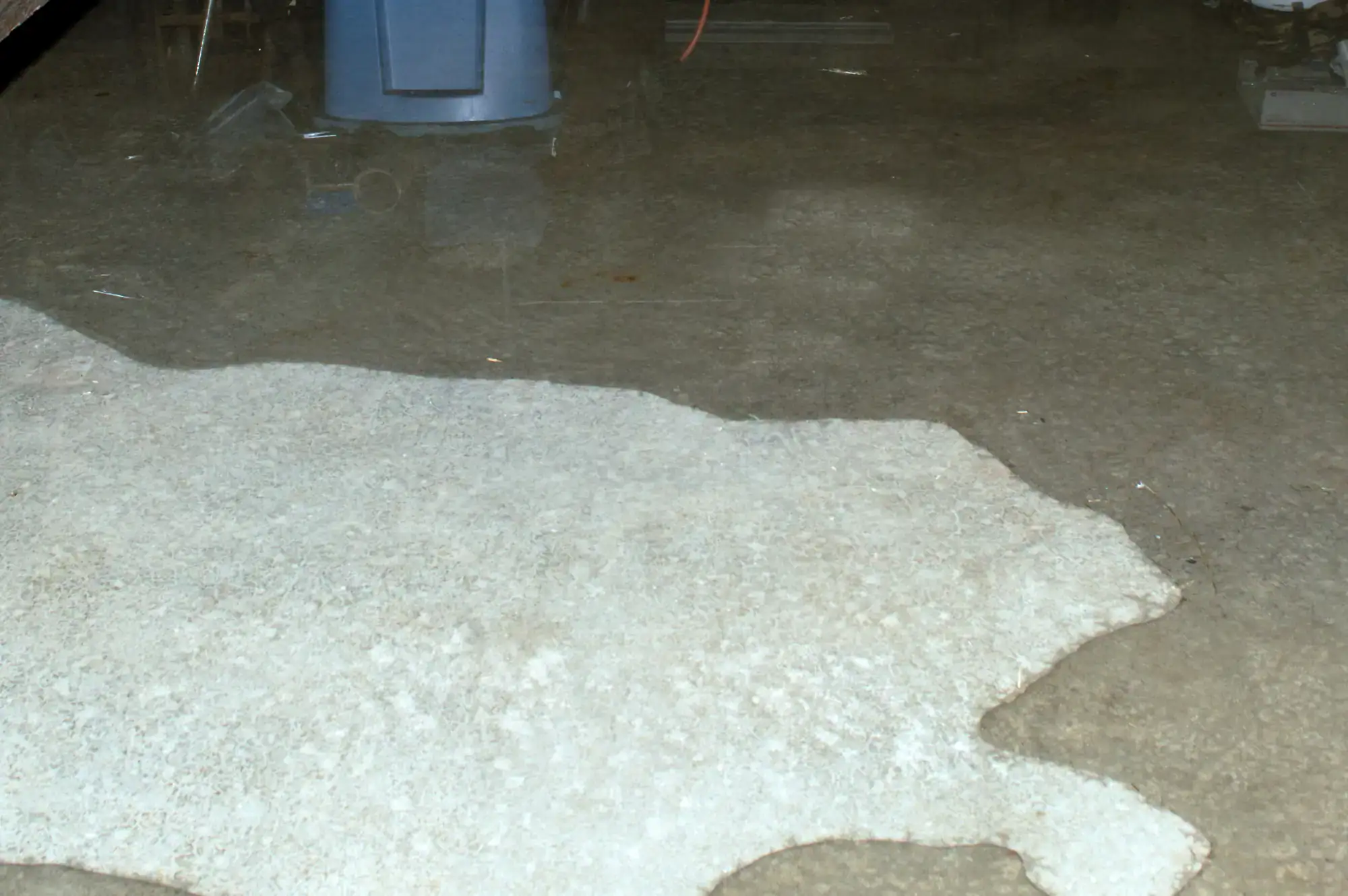
First, we pick up the phone. If your basement’s flooded, we’re available 24/7 and we respond fast—usually within an hour for emergencies in Menomonee River Valley, WI.
When we arrive, we assess the situation: how much water, what’s affected, where it’s coming from if it’s still flowing. Then we start extraction immediately using truck-mounted pumps and portable extractors to remove standing water. We’re not waiting around to upsell you—we’re getting the water out.
Next, we map the moisture. We use thermal imaging and moisture meters to find water you can’t see—in walls, floors, subflooring, insulation. This step matters because hidden moisture is what causes mold, rot, and long-term structural problems.
Then comes drying. We set up commercial dehumidifiers and air movers positioned based on airflow science, not guesswork. We monitor moisture levels daily and adjust equipment as needed until everything hits safe, dry readings.
Throughout the process, we document everything with photos, notes, and moisture logs. If you’re filing an insurance claim, this documentation is what gets it approved. We’ll work directly with your adjuster if needed.
Once it’s dry, we walk you through what’s next—whether that’s repairs, rebuilding, or just moving your stuff back in. You’ll know exactly where you stand.
Ready to get started?
When you hire us for wet basement repair in Menomonee River Valley, WI, you’re getting the full cycle—not just a guy with a shop vac. We pump out flooded basements using industrial extraction equipment that removes thousands of gallons fast. We pull out soaked carpet, padding, drywall, and insulation that can’t be saved. We treat affected areas with antimicrobial solutions to prevent mold before it starts.
We bring in enough dehumidifiers and air movers to dry your space in days, not weeks. And we don’t pull equipment early to move on to the next job—we monitor readings and keep drying until the job’s done right.
You also get complete insurance documentation. We know what adjusters need to see, and we provide it—detailed photos, moisture readings, scope of work, and cost breakdowns. We’ll even communicate directly with your insurance company if that makes your life easier.
Here’s what matters for Menomonee River Valley homeowners specifically: we understand how water moves through older Milwaukee-area basements. We know the clay soil doesn’t drain well. We know the combined sewer systems in this area back up during heavy rain. And we know the Menomonee River has a history of exceeding flood stage—like the record 8.52 feet it hit in August 2024. That local knowledge means we’re not learning on your dime. We know what to look for and how to dry it fast.
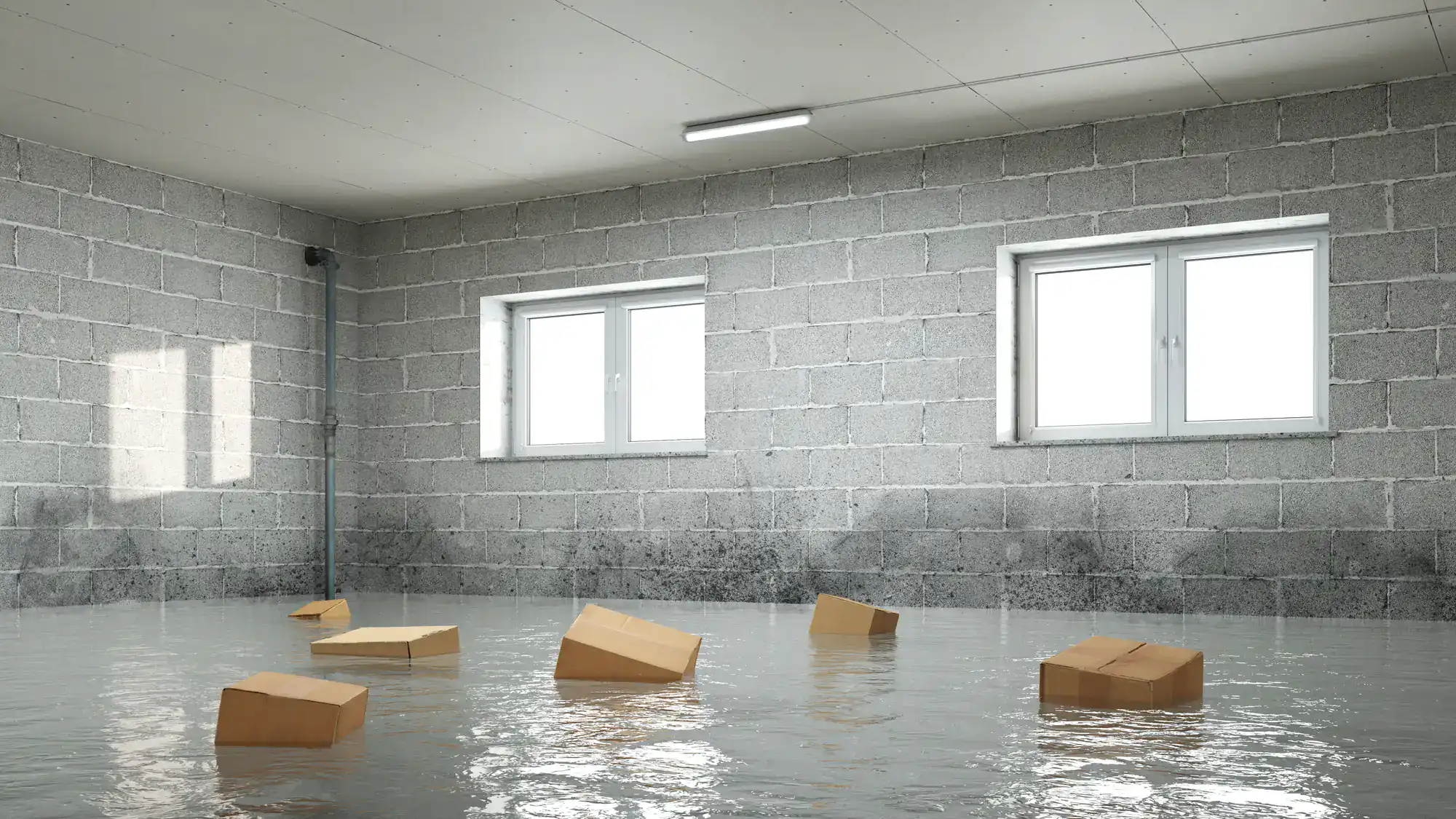
We respond to emergency calls 24/7, and for basement floods in Menomonee River Valley, WI, we’re typically on-site within an hour. Speed matters because the longer water sits, the more damage it causes—not just to your belongings, but to your foundation, framing, drywall, and flooring.
Every hour of delay increases the risk of mold growth, which can start in as little as 24 to 48 hours in the right conditions. It also gives water more time to wick up walls, soak into insulation, and seep into areas that are expensive to access later.
When you call, we’ll ask a few quick questions to understand the situation—how much water, what area, any safety concerns—and then we dispatch a crew immediately. We don’t wait until morning or until the rain stops. We come now, start extracting water, and get your home stabilized so the damage doesn’t get worse while you’re waiting.
It depends on what caused the flood. If a pipe burst inside your home, your washing machine hose failed, or your water heater leaked, your standard homeowners insurance will typically cover the damage. If the water came from outside—like the Menomonee River overflowing, street flooding, or a sewer backup—you’ll need separate flood insurance or sewer backup coverage.
Here’s the tricky part: after the August 2024 floods in southeastern Wisconsin, 98% of federal assistance claims came from homeowners outside FEMA flood zones. That means most people who flooded didn’t think they needed flood insurance—and didn’t have it. Standard homeowners policies don’t cover rising water from storms or rivers.
We help with this by documenting everything properly from the start. We take detailed photos, log moisture readings, note the source of water, and provide a full scope of work. If you’re filing a claim, we’ll work with your adjuster and provide the documentation they need. If your claim gets denied or you’re not sure what’s covered, at least you’ll have a clear record of what happened and what it cost to fix.
We use moisture meters and thermal imaging cameras to find water you can’t see. A basement might look dry on the surface, but water hides in concrete, behind walls, under flooring, and in insulation. If it stays there, you’ll end up with mold, rot, and odors within a few weeks.
After we extract the standing water, we scan the entire affected area with moisture detection tools. These tools measure moisture content in materials like wood, drywall, and concrete. Thermal cameras show us temperature differences that indicate wet spots behind surfaces.
Then we set up drying equipment—commercial dehumidifiers and air movers—in specific positions based on where the moisture is. We don’t just drop a couple fans and leave. We come back daily to take new readings and adjust the equipment until every material hits a safe moisture level. Concrete should be below 4% moisture content. Wood framing should be below 15%. Drywall should be under 1%.
We don’t pull our equipment until the readings confirm it’s dry. That’s how you avoid the “it smells weird down there” problem three weeks later.
First, stay safe. Don’t walk into standing water if you can avoid it, especially if there are electrical outlets, appliances, or your electrical panel nearby. If the water’s more than a few inches or if anything electrical is involved, stay out and call us first.
If it’s safe to enter, try to identify the source. If it’s a burst pipe or appliance leak, shut off the water supply if you can. If it’s a sewer backup, don’t touch anything—that water contains raw sewage and bacteria that can make you sick.
Take photos and videos of the damage before you move anything. Your insurance company will want documentation of what was affected. If you have important items that aren’t soaked yet—documents, electronics, photos—move them to a dry area.
Then call us. Don’t wait to see if it gets worse or try to handle it yourself with a wet vac. Basement floods need professional extraction and drying equipment to prevent long-term damage and mold. The sooner we start, the more we can save and the less the total damage will cost. We’ll walk you through everything else once we’re on-site.
Usually three to five days with proper equipment running continuously, but it depends on how much water there was, what materials got wet, and how humid it is outside. Concrete takes longer to dry than drywall. A finished basement with carpet and insulation takes longer than an unfinished space.
We don’t guess. We measure moisture levels daily and keep drying equipment in place until the readings say it’s done. Pulling equipment too early is how you end up with mold two weeks later, so we don’t do it.
If your basement had several inches of standing water and it soaked into framing, insulation, and subfloors, expect the full drying process to take four to seven days. If it was a smaller leak caught early, it might be three days. We’ll give you a realistic timeline once we assess the damage, and we’ll update you as we go so you’re not left wondering when your life gets back to normal.
We handle both. Once your basement is fully dried and we’ve completed the water removal and mitigation work, we can move right into repairs and restoration. That means you’re not coordinating between multiple contractors or waiting weeks for someone else to start.
We’ll replace drywall, insulation, flooring, trim—whatever was damaged and had to be removed. We’ll repaint, reinstall fixtures, and get your basement back to how it was before the flood. If you want to make changes or upgrades during the rebuild, we can talk through that too.
The advantage of keeping everything under one roof is continuity. The same project manager who oversaw your water extraction and drying will manage your repairs. You’re not explaining the situation to a new company or hoping they understand what happened. We already know your space, what was affected, and what needs to happen next. It’s faster, simpler, and a lot less stressful than juggling multiple teams.
Other Services we provide in Menomonee River Valley