
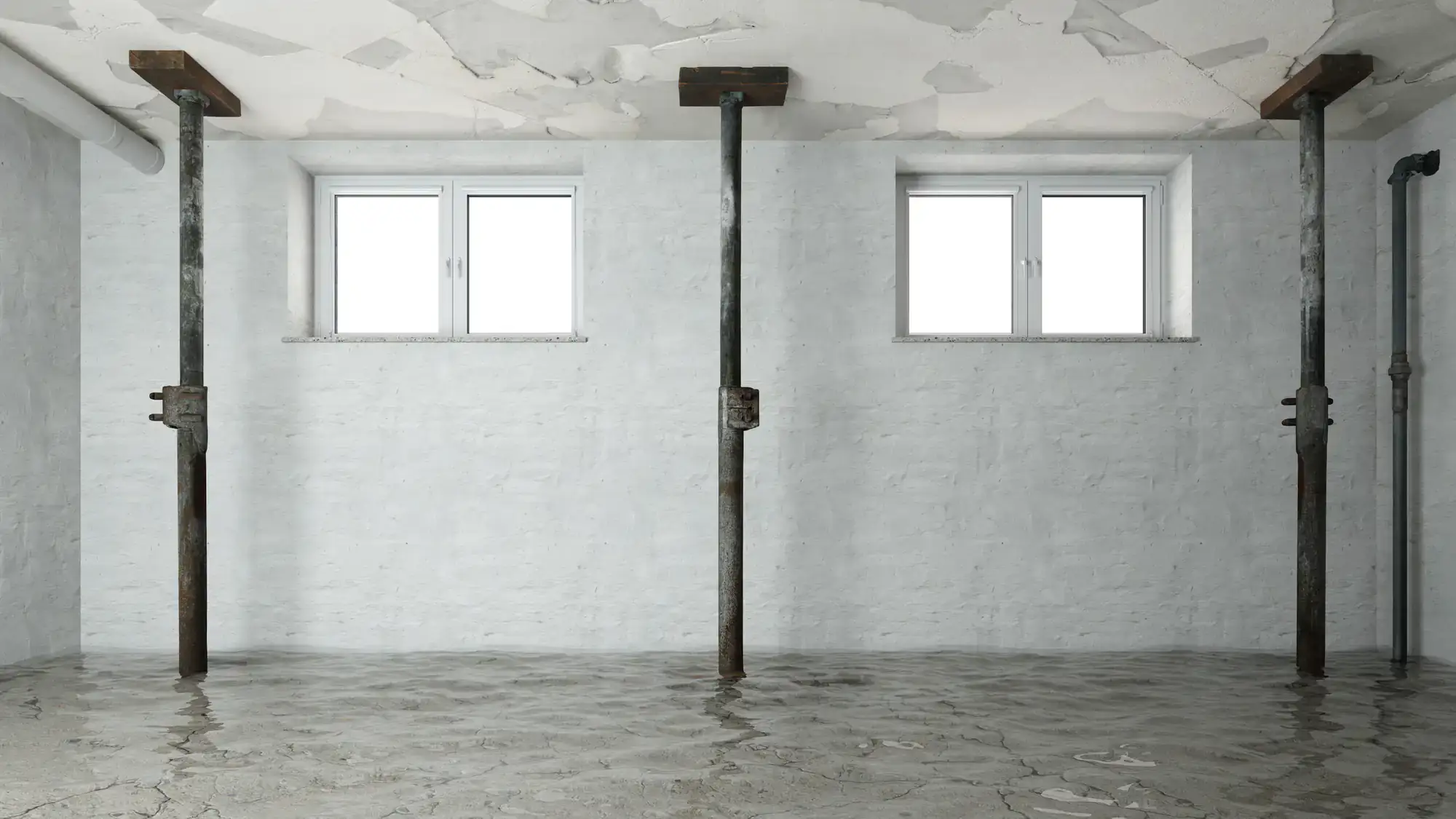
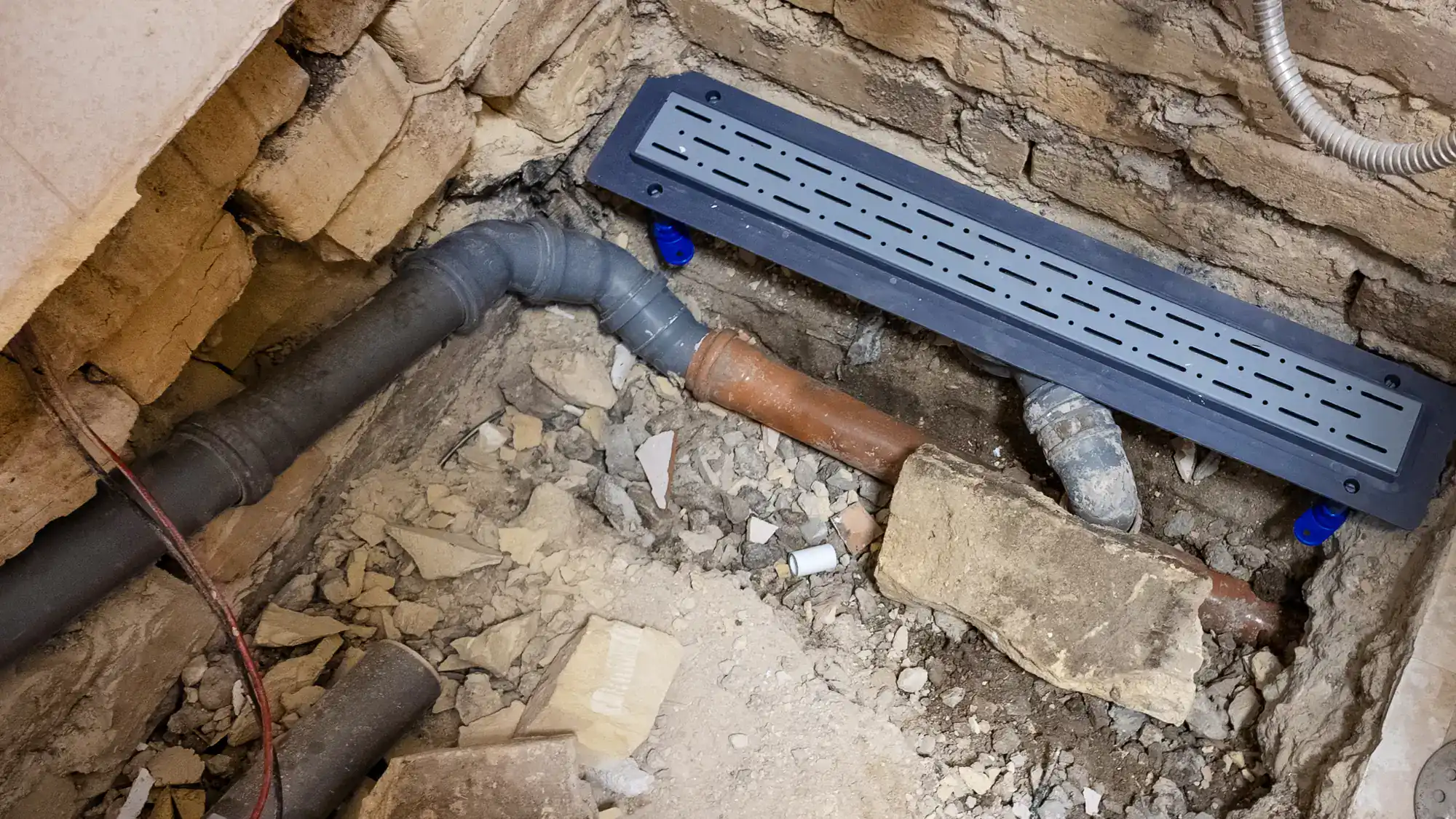
Every minute water sits in your basement, it’s soaking deeper into your floors, crawling up your drywall, and creating the perfect conditions for mold. You’re not just dealing with standing water—you’re racing against structural damage that gets exponentially more expensive the longer you wait.
Our emergency water extraction in Lower East Side gets the water out completely. We’re talking industrial pumps that handle thousands of gallons, truck-mounted vacuums that pull moisture from places you can’t see, and dehumidifiers that dry out the hidden pockets in your walls and subfloors. We don’t just mop up what’s visible and call it done.
Once the water’s gone, you’re looking at a basement that’s actually dry—not damp, not “good enough,” but legitimately restored. Your floors aren’t buckling. Your belongings aren’t ruined. And you’re not dealing with a mold problem three weeks from now because someone cut corners on the drying process.
Flood Guys Restoration has been doing flooded basement cleanup in Lower East Side and throughout Milwaukee for decades. We know how spring snowmelt combines with April storms to overwhelm sump pumps in older homes. We’ve seen what happens when hundred-year-old foundations meet modern drainage problems.
Most of the buildings in Lower East Side were built before 1939. That means you’re dealing with basement construction that wasn’t designed for the kind of water events we’re seeing now. The good news? We’ve worked in these basements hundreds of times. We know where water hides, how it moves through older concrete, and what it takes to actually get these spaces dry.
You’re not getting a franchise crew reading from a script. You’re getting a local team that understands Milwaukee weather, Milwaukee housing stock, and what it actually takes to restore a Lower East Side basement the right way.
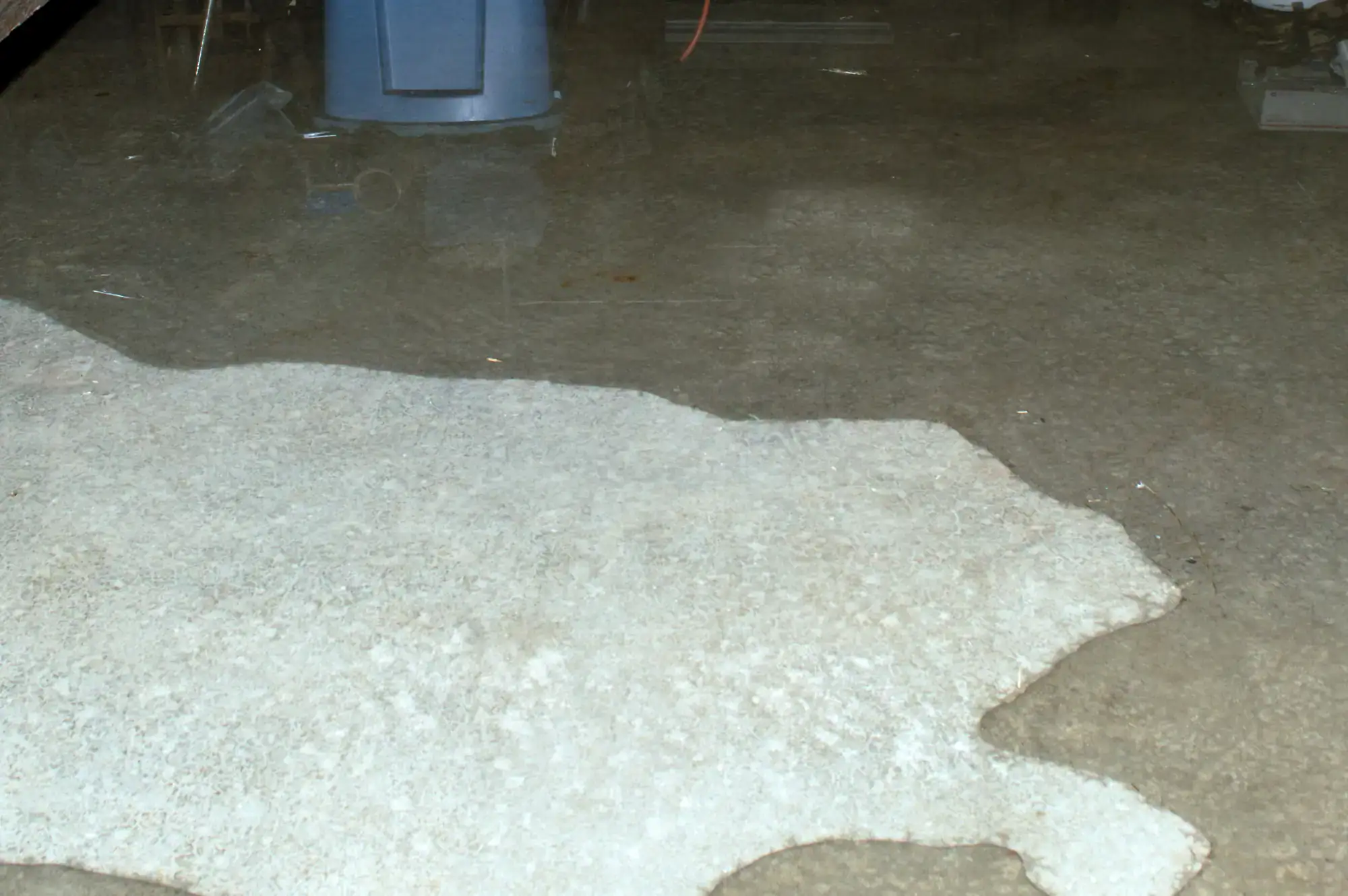
First, we answer. You’re not leaving a message or waiting for a callback. When you’ve got a basement flood in Lower East Side, someone picks up the phone and starts coordinating your emergency water extraction right then.
We show up fast—usually within 45 minutes—and we assess the situation before we start ripping things apart. How much water are we dealing with? Where’s it coming from? What’s salvageable and what’s not? You get a clear explanation of what needs to happen and why, not a sales pitch for work you don’t need.
Then we pump out your flooded basement using commercial-grade extraction equipment. We’re pulling water out of carpets, padding, and anywhere else it’s hiding. Once the standing water’s gone, we set up industrial fans and dehumidifiers to dry out the structure itself—the concrete, the framing, the spaces between your walls. This part takes days, not hours, because rushing it means mold.
Throughout the process, you’ve got a project manager keeping you updated. You know what’s happening, when it’s happening, and what to expect next. And if you’re dealing with insurance, we document everything so your claim actually has a shot at getting approved.
Ready to get started?
Our wet basement repair in Lower East Side covers the full scope of what it takes to actually fix the problem. We’re extracting every drop of standing water with truck-mounted pumps and portable extraction units. We’re removing damaged materials that can’t be saved—soaked drywall, ruined insulation, flooring that’s already buckling.
Then comes the part most companies skip: thorough structural drying. We’re running commercial dehumidifiers and air movers for as long as it takes to get moisture levels back to normal. We’re checking moisture meters in your walls, your subfloors, and your framing to make sure nothing’s being left damp. Because in Lower East Side’s older homes, trapped moisture doesn’t just create mold—it rots wood framing and compromises your foundation.
We’re also treating everything with antimicrobial solutions to prevent mold growth. Milwaukee’s humidity doesn’t mess around, and your basement’s already been through enough. You don’t need a mold problem on top of water damage.
If your sump pump failed, we’ll talk through what happened and what you can do to prevent it next time. If your insurance is involved, we’re documenting every step with photos, moisture readings, and detailed notes. And when the drying’s done and it’s time to rebuild, we handle that too—new drywall, new flooring, whatever it takes to get your basement back to where it was before the flood.
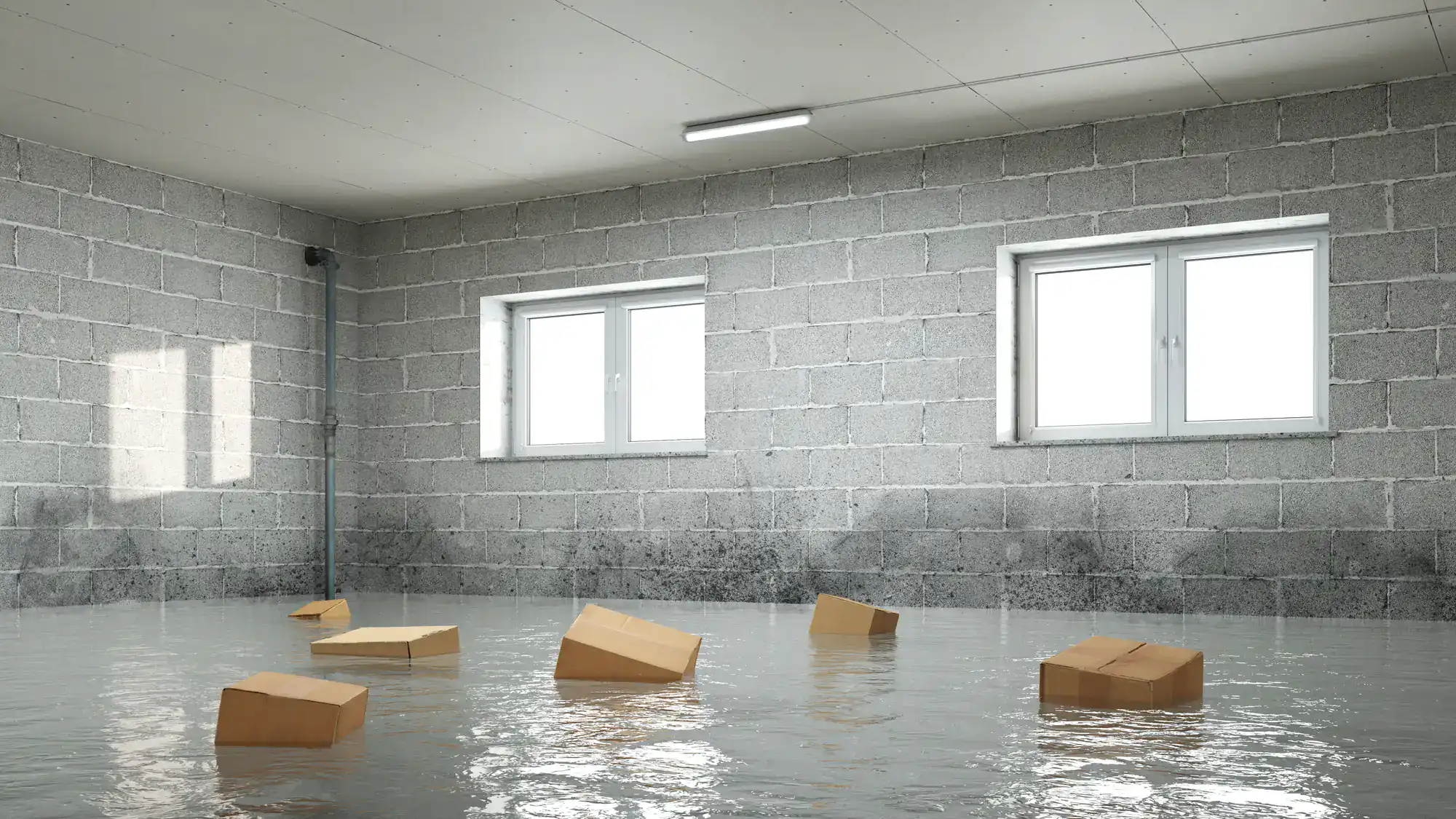
The actual pumping usually takes a few hours, depending on how much water you’re dealing with. If you’ve got two inches of standing water in a 1,000 square foot basement, we’re looking at roughly 1,000 gallons. Our pumps move hundreds of gallons per minute, so the bulk of the water comes out fast.
But here’s what most people don’t realize: getting the standing water out is just the beginning. Once we’ve pumped out your flooded basement, we still need to extract the water that’s soaked into your carpet, padding, drywall, and concrete. That’s where the real work happens—and where a lot of companies cut corners.
The extraction and drying process typically runs 3-5 days. We’re not leaving until our moisture meters confirm that your basement is actually dry, not just “looks dry.” Rushing this part is how you end up with mold two weeks later and a much bigger problem than you started with.
It depends on what caused the flooding. If a pipe burst, your washing machine hose failed, or your water heater leaked, standard homeowners insurance usually covers it. If the water came from outside—like heavy rain overwhelming your foundation or sewer backup—you’re probably not covered unless you have specific flood insurance or sewer backup coverage.
Here’s the frustrating part: more than 99% of Wisconsin residents don’t have flood insurance. Most people don’t even realize they need separate coverage until after their basement floods. If you’re in that situation, you’re looking at paying out of pocket for the cleanup and restoration.
That said, we help you document everything either way. If there’s any chance your insurance will cover it, we’re taking photos, logging moisture readings, and providing detailed estimates. And if you’re paying out of pocket, we’re transparent about what actually needs to be done versus what can wait. You’re not getting an inflated scope just because we think insurance might pay for it.
Mold prevention comes down to one thing: getting everything completely dry within 24-48 hours. Mold spores are already in your basement—they’re everywhere. But they can’t grow without moisture. If we dry out your space fast enough, mold never gets the chance to take hold.
That’s why we don’t just pump out the standing water and leave. We’re running commercial dehumidifiers that pull moisture out of the air and structural materials. We’re positioning air movers to create airflow across wet surfaces and inside wall cavities. And we’re checking moisture levels in your concrete, framing, and drywall with calibrated meters—not just eyeballing it and hoping for the best.
We also treat affected areas with antimicrobial solutions that inhibit mold growth. This is especially important in Lower East Side’s older basements, where you’ve often got porous concrete and wood framing that holds moisture longer than modern materials. The combination of thorough drying and antimicrobial treatment is what actually prevents mold, not just cleaning up the visible water and crossing your fingers.
First, stay safe. If the water’s more than a few inches deep and you’ve got electrical outlets or appliances down there, don’t wade through it. Shut off power to the basement at your breaker box if you can do it safely. If you can’t, stay out and call us—we’ll handle it.
If it’s safe to enter, try to identify where the water’s coming from. Is it still actively flooding, or has it stopped? If your sump pump failed and water’s still coming in, that’s different than a burst pipe you’ve already shut off. Knowing the source helps us respond faster and more effectively.
Then call us for emergency water extraction. The longer water sits, the more damage it does. Drywall starts wicking water up the walls. Wood framing starts swelling. Flooring begins to buckle. Every hour matters when you’re dealing with a basement flood in Lower East Side, especially in older homes where materials are already more vulnerable to water damage.
Don’t start throwing things away yet. If insurance might be involved, you need documentation. Take photos if you can, but don’t delay calling for help just to get pictures. We’ll document everything when we arrive.
There’s no honest way to give you a number without seeing your basement. The cost depends on how much water you’re dealing with, what materials are damaged, and how long the drying process takes. A minor sump pump failure with an inch of water is a completely different job than three feet of water that’s been sitting for hours.
Most emergency water extraction jobs in Lower East Side run anywhere from a few thousand dollars for straightforward cleanup to $10,000+ if we’re talking significant water volume, damaged materials that need removal, and extensive drying. If you need full wet basement repair with reconstruction after everything’s dry, costs go up from there.
Here’s what we do differently: we give you a clear scope of what needs to happen and why before we start the work. You’re not getting surprise charges or inflated estimates because we think insurance might pay. If something can wait or isn’t necessary, we tell you. And if your insurance is covering it, we work directly with them to document everything properly so your claim doesn’t get denied over missing paperwork or insufficient evidence.
Sometimes yes, sometimes no. It depends on how long the water sat, what kind of water it was, and what condition the materials were in before the flood. Clean water from a supply line that gets extracted within a few hours? There’s a decent chance we can save carpet and padding with thorough extraction and drying. Water that’s been sitting overnight or came from outside? You’re probably replacing it.
Drywall is trickier. If water wicked up more than a foot or so, the drywall’s compromised even if it looks okay right now. It loses structural integrity when it gets saturated, and it becomes a mold risk if it doesn’t dry completely. In most Lower East Side basements, we’re cutting out and replacing the bottom two to four feet of drywall after a significant flood.
Here’s the thing: we’re not in the business of telling you to replace stuff that can be saved. But we’re also not going to leave damaged materials in place just to save you money upfront, because that creates bigger problems later. When we assess your flooded basement cleanup, you’re getting an honest evaluation of what can be restored and what needs to go—not a sales pitch designed to maximize the invoice.
Other Services we provide in Lower East Side