
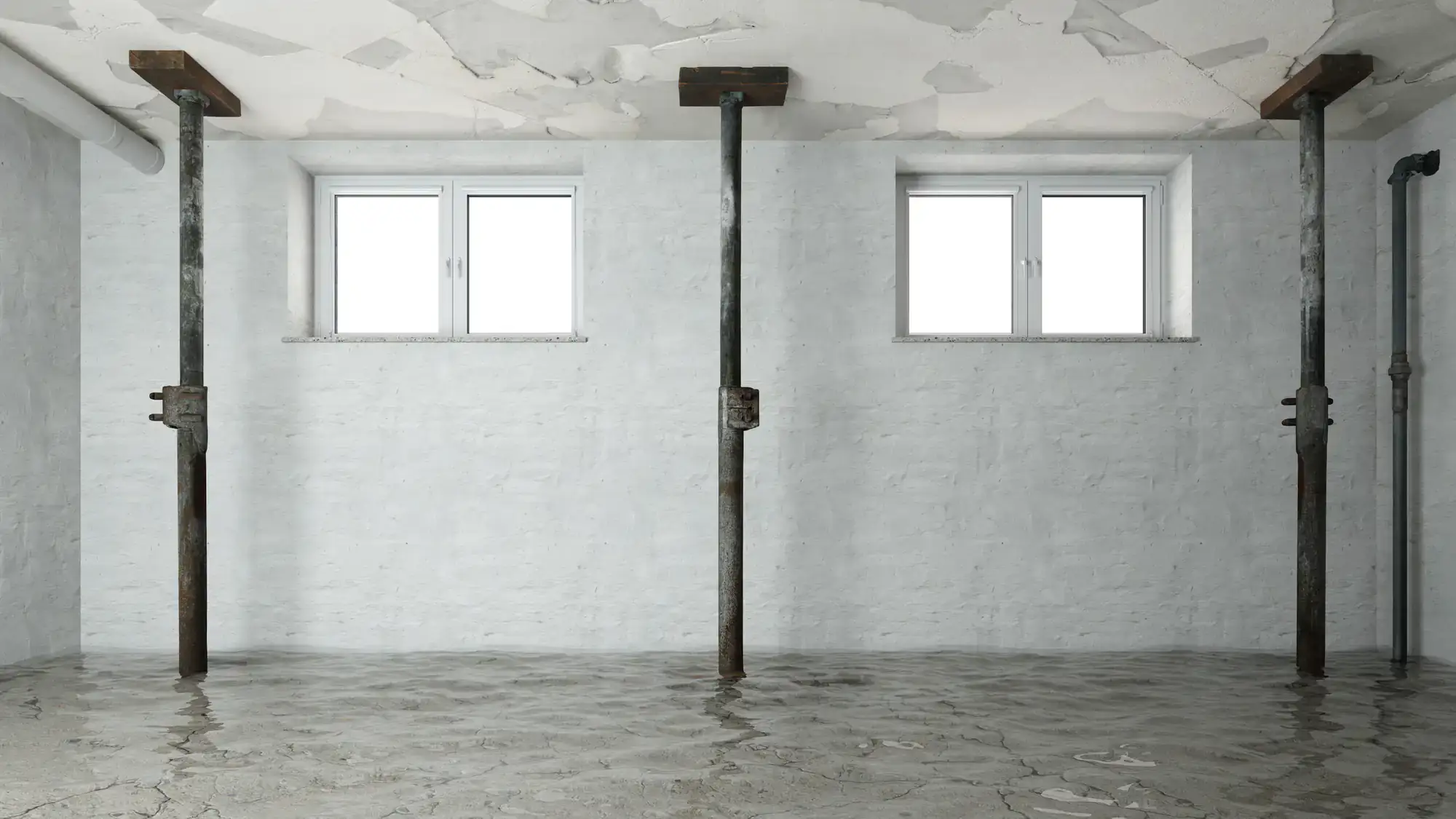
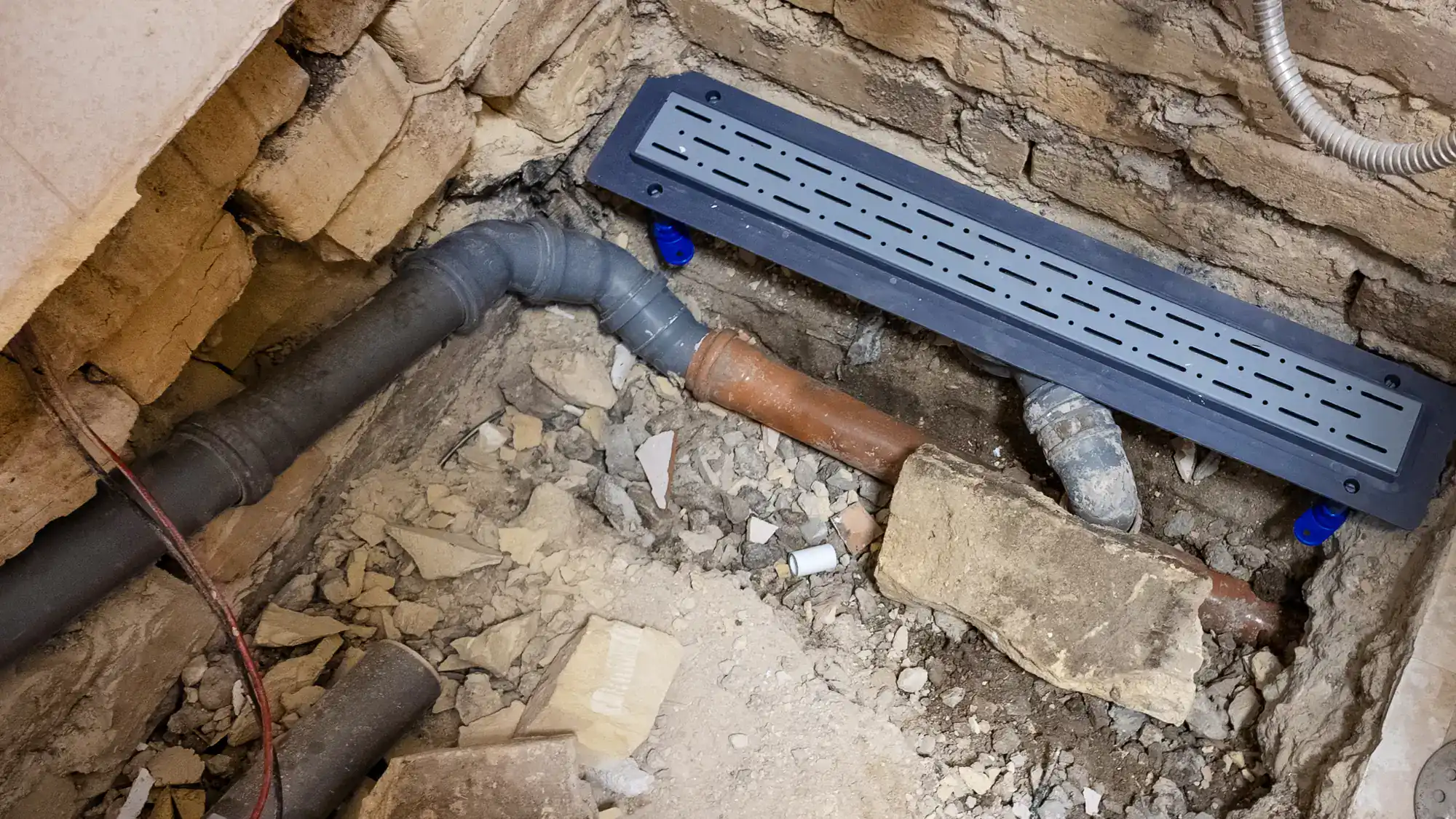
You get a team that arrives fast, assesses the damage honestly, and gets to work immediately. No waiting around while water soaks deeper into your floors and walls.
We pump out flooded basements using commercial-grade extraction equipment that pulls water from carpet, concrete, and anywhere it’s hiding. Then we set up industrial dehumidifiers and air movers to dry everything thoroughly. Not just surface-level dry—actually dry, so mold doesn’t start growing in the walls two weeks from now.
You also get clear communication about what’s happening and why. We document everything for your insurance company, explain what needs to happen next, and keep you updated as the work moves forward. You’re not left guessing or waiting for callbacks that never come.
The outcome is a dry basement, prevented mold growth, and one less disaster to manage. You can move on instead of dealing with this for months.
Flood Guys Restoration works throughout Harbor View and the surrounding Wisconsin area. We’ve seen what spring storms do to basements here. We know how fast groundwater rises during heavy rain, how sump pumps fail at the worst possible time, and how much damage happens when cleanup gets delayed or done wrong.
We built this company because too many restoration contractors take advantage of people during emergencies. They inflate the scope, push unnecessary work, or disappear when questions come up. We do the opposite. We show up, do what’s needed, explain why, and treat your home the way we’d treat our own.
You get honest service from a local team that’s not trying to milk your insurance claim or sell you things you don’t need. Just fast response, quality work, and straightforward answers when you need them most.
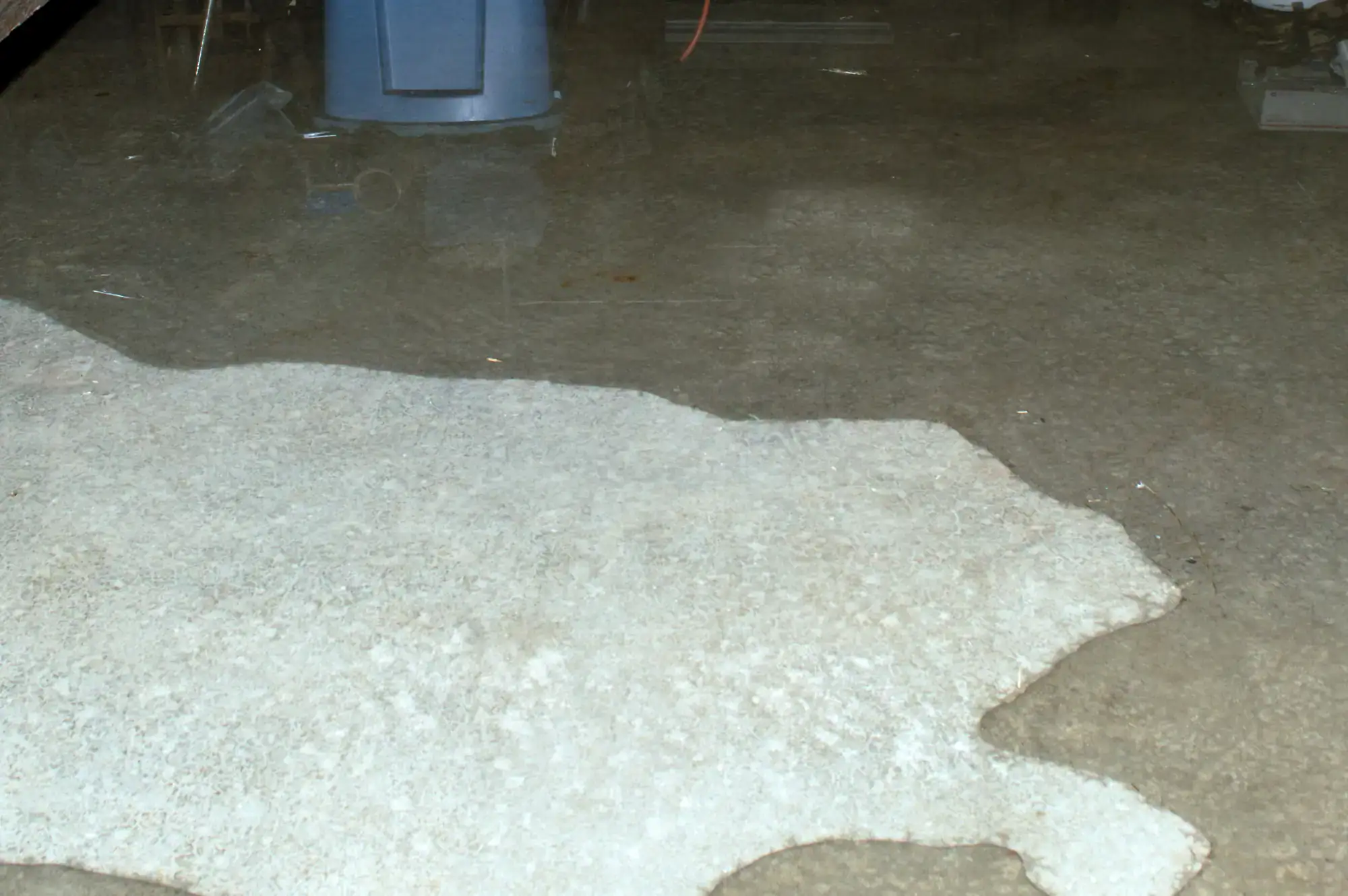
First, we answer the phone. You’re not getting voicemail or a call center—you’re talking to someone who can actually help. We ask a few questions to understand what’s happening, then we head your way. Fast.
When we arrive, we assess the situation. Where’s the water coming from? How much is there? What’s been affected? We walk you through what we’re seeing and what needs to happen next. No jargon, no upselling—just a clear plan.
Then we get to work. We extract the standing water using powerful pumps and vacuums. Once the water’s out, we move furniture and belongings to dry areas, pull up wet carpet if needed, and set up dehumidifiers and air movers. These run continuously to pull moisture out of everything—floors, walls, air. We monitor moisture levels with meters to make sure drying is actually happening, not just assumed.
Throughout the process, we document everything with photos and notes. Your insurance company will want this, and we make sure it’s thorough. We also coordinate directly with your insurer if you want us to, so you’re not stuck playing middleman while trying to deal with a flooded basement.
Once everything’s dry and the risk of mold is gone, we talk about any repairs that might be needed. If it’s just cleanup, you’re done. If there’s damage to drywall, flooring, or structure, we can handle that too.
Ready to get started?
You get complete water extraction—not just the visible puddles, but water trapped in carpet padding, concrete pores, and along baseboards. We use truck-mounted pumps for heavy flooding and specialized extraction tools for water that’s soaked into materials.
You get professional drying with commercial dehumidifiers and air movers positioned strategically throughout the space. We’re not just blowing air around. We’re creating airflow patterns that pull moisture out of materials and remove it from the space entirely. This takes days, not hours, and we monitor it with moisture meters to confirm it’s working.
You get mold prevention. Wisconsin’s humidity makes mold growth a real risk after any basement flood in Harbor View. Our drying process is designed specifically to eliminate the moisture mold needs to grow. We also treat affected areas with antimicrobial solutions when needed.
You get insurance documentation. We photograph the damage, log all affected materials, track our equipment and labor, and provide everything your insurance company needs to process your claim. Many homeowners don’t realize that improper documentation can lead to claim denials, even when the damage is clearly covered.
You also get help navigating the insurance process if you want it. We work directly with adjusters, answer their questions, and make sure the scope of work matches what actually needs to happen. We’ve seen too many claims get denied or underpaid because the documentation wasn’t thorough or the homeowner didn’t know what to ask for.
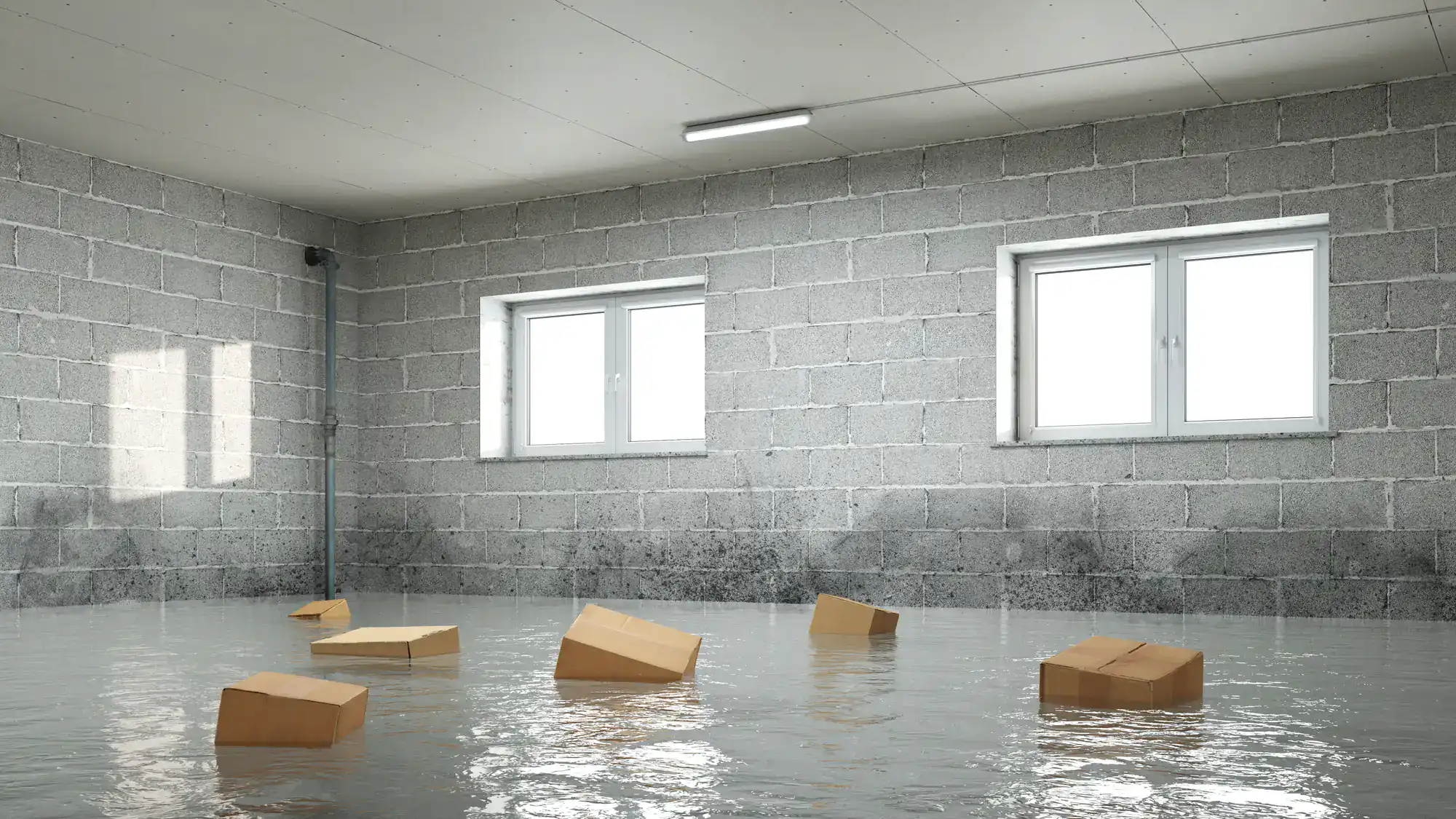
We respond to basement flood emergencies in Harbor View as quickly as possible—typically within a few hours of your call, often faster. We know that water damage gets worse the longer it sits, so speed matters.
When you call, you’ll talk to someone immediately who can dispatch a team. We don’t route you through a call center or make you wait for a callback. We get the details, grab our equipment, and head out.
Our response time depends on where we are when you call and what else is happening that day, but basement floods are treated as emergencies. If it’s the middle of the night or during a major storm when multiple homes are flooding, we prioritize based on severity and do everything we can to reach everyone quickly. The goal is always to get water out before it causes more damage than it already has.
It depends on where the water came from. Most homeowners insurance policies in Wisconsin cover sudden and accidental water damage—like a burst pipe, failed water heater, or broken sump pump. They typically don’t cover flooding caused by groundwater, surface water, or water that seeps in from outside.
That’s a critical distinction. If heavy rain causes groundwater to rise and push through your foundation, that’s usually considered a “flood” and requires separate flood insurance. But if your sump pump fails and can’t keep up with the water, that might be covered under your standard homeowner’s policy as equipment failure.
The confusion comes because many basement floods in Harbor View involve both: the storm causes groundwater to rise, which overwhelms the sump pump, which then fails. Insurance companies will look closely at the source of the water to determine coverage. We help by documenting everything clearly—what we found when we arrived, where the water was coming from, and what failed. That documentation supports your claim and gives the adjuster what they need to make a decision. If you’re unsure about your coverage, we recommend calling your insurance company right away and asking specifically about the situation you’re dealing with.
Usually three to five days, sometimes longer depending on how much water there was, what materials got wet, and how humid it is. Drying isn’t something you can rush—it takes time for moisture to move out of materials and into the air, and then time for dehumidifiers to remove that moisture from the air.
We use moisture meters to track progress. When we first arrive, we take readings on your floors, walls, and any other affected materials. Then we check those readings every day. When the numbers reach normal levels and stay there, the space is dry.
Concrete takes longer to dry than drywall. Carpet padding holds water and often needs to be removed. Finished basements with lots of materials—drywall, insulation, trim—take longer than unfinished basements with bare concrete. If the flooding was severe or if water got into wall cavities, drying takes longer.
We don’t pull our equipment early just to close the job. We leave it in place until the moisture is actually gone. Pulling equipment too soon is how mold problems start, and we’re not interested in creating a bigger problem down the road just to finish faster.
First, stop the water if you can. If it’s a burst pipe, shut off the water supply. If it’s a failed sump pump and you have a backup or can fix it quickly, do that. If the water’s coming from outside, there’s not much you can do to stop it, but knowing the source helps.
Next, move anything valuable out of the water if it’s safe to do so. Don’t wade into deep water or water near electrical outlets—that’s dangerous. But if you can quickly grab boxes, electronics, or furniture and get them to higher ground, do it.
Then call us. The faster we can start extracting water, the less damage occurs. Water spreads, soaks deeper, and affects more materials the longer it sits. Every hour matters.
Don’t wait to call your insurance company either. Most policies require prompt notification of damage. You don’t need to have all the answers before you call—just let them know what happened and that you’re getting it cleaned up. We can provide documentation and details later, but the initial call should happen quickly.
Don’t try to dry everything yourself with a shop vac and fans. You won’t get enough water out, and you won’t dry it thoroughly enough to prevent mold. We see this often—someone tries to handle it themselves, thinks it’s dry, and then calls us two weeks later when they smell mold growing in the walls.
Yes. We document everything your insurance company will need, and we can coordinate directly with your adjuster if you want us to. Most people don’t deal with insurance claims often, and the process can be confusing, especially when you’re already stressed about a flooded basement.
We take detailed photos of all damage before we start work. We document what materials were affected, how much water was present, and what equipment we’re using. We track our time and materials. We provide a scope of work that explains what needs to happen and why. All of this goes to your insurance company to support your claim.
If your adjuster wants to inspect the damage before we start, we wait. If they have questions about our process or pricing, we answer them. If there’s a disagreement about what’s covered or what needs to be done, we provide the information and expertise to back up the claim.
We’ve worked with most of the major insurance companies, and we know what they require. That experience helps your claim move faster and reduces the chance of denial or underpayment. You’re not navigating this alone or trying to figure out what the insurance company needs—we handle that part so you can focus on everything else you’re dealing with.
Mold prevention comes down to one thing: thorough drying. Mold needs moisture to grow. If we remove the moisture completely and quickly, mold doesn’t get the chance to start.
That’s why we use commercial dehumidifiers and air movers, not just fans. Dehumidifiers pull moisture out of the air, which allows more moisture to evaporate from wet materials. Air movers create airflow across surfaces to speed up evaporation. Together, they dry materials much faster and more completely than air-drying or using household fans.
We also monitor moisture levels with meters throughout the drying process. We’re not guessing when something’s dry—we’re measuring it. When moisture levels in your floors, walls, and other materials return to normal and stay there, we know it’s safe to remove equipment.
If materials can’t be dried properly—like soaked carpet padding or water-damaged drywall—we remove them. Leaving wet materials in place is how mold problems start. It’s better to remove and replace a section of drywall than to leave it wet and deal with mold growth later.
In some cases, we also apply antimicrobial treatments to affected areas. This adds an extra layer of protection, especially in spaces that are naturally humid or have had water problems before. Wisconsin’s humidity makes basements vulnerable, so we take mold prevention seriously on every job.
Other Services we provide in Harbor View