
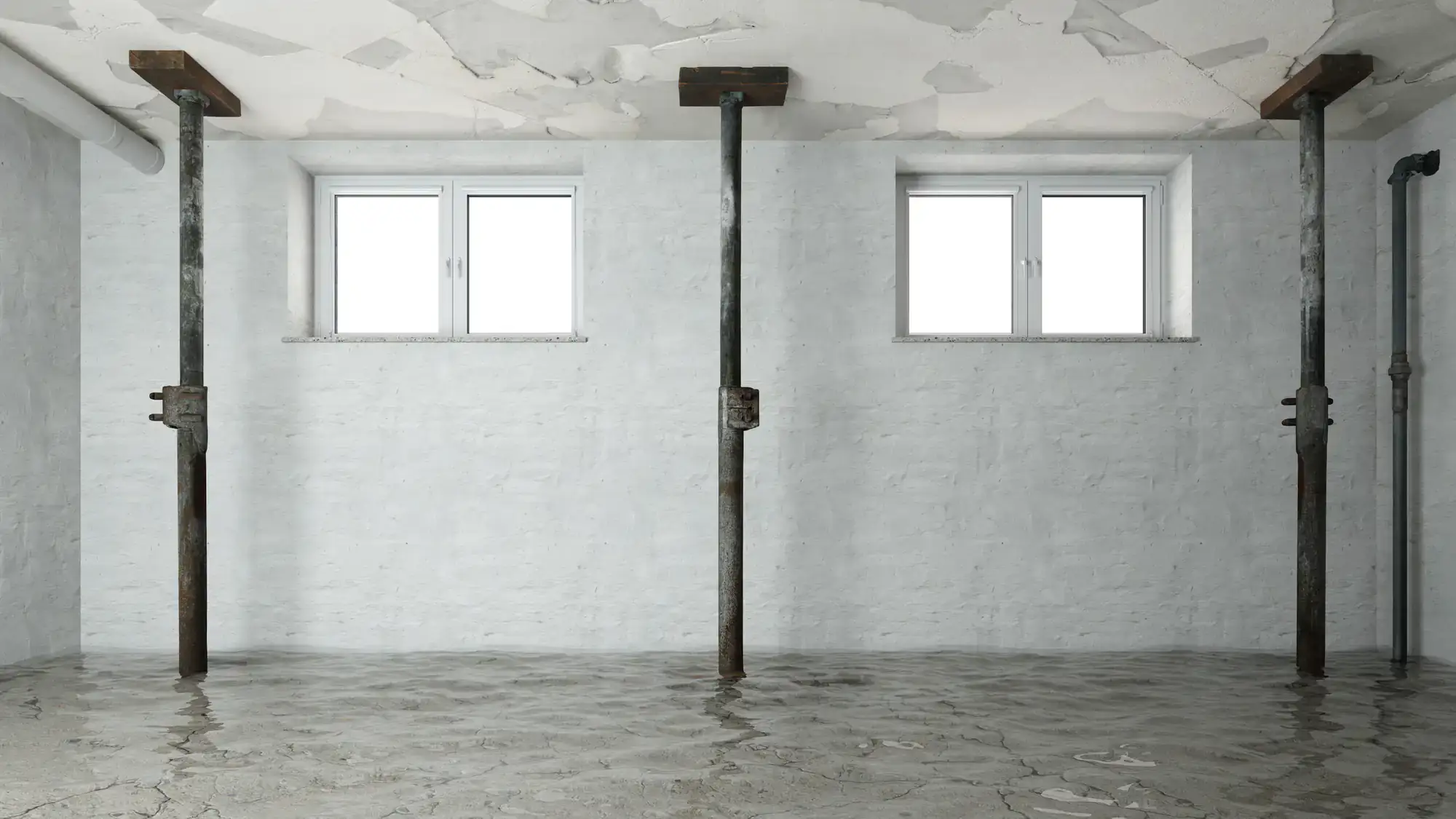
You’re not looking for a sales pitch right now. You need someone who can show up, assess the damage honestly, and get your basement back to normal without dragging it out or inflating the scope.
That’s what flooded basement cleanup in Brewer’s Hill looks like when it’s done right. We extract standing water with commercial-grade equipment, set up industrial dryers and dehumidifiers in the right spots, and monitor moisture levels until everything registers dry. Not “looks dry”—actually dry.
Because if moisture gets left behind in your walls, subfloor, or insulation, you’re dealing with mold within 48 hours. And mold doesn’t just smell bad. It spreads, it damages your home’s structure, and it creates health risks you shouldn’t have to live with.
Our job is to make sure that doesn’t happen. We handle the basement water removal service from start to finish so you’re not second-guessing whether it was done correctly three weeks from now.
Flood Guys Restoration started because too many homeowners in Milwaukee were getting burned by companies that overpromised, overcharged, or disappeared halfway through the job. We wanted to be the team people could actually trust when their basement flooded at 2 a.m. or a pipe burst in January.
We’re local, we’re IICRC-certified, and we’ve worked in enough Brewer’s Hill basements to know what older homes in this neighborhood deal with. The infrastructure here wasn’t built for the kind of rainfall Milwaukee’s been getting lately. When the sewers back up or the sump pump fails, water finds its way in fast.
That’s why we keep our response time tight and our communication clear. You’ll know what we’re doing, why we’re doing it, and what it’s going to cost before we start. No surprises. No runaround.
First, we assess the situation. That means figuring out where the water came from, how much damage it caused, and whether there are any safety hazards like electrical issues or structural concerns. We don’t skip this step, even if you’re in a hurry, because doing the work wrong is worse than doing it slow.
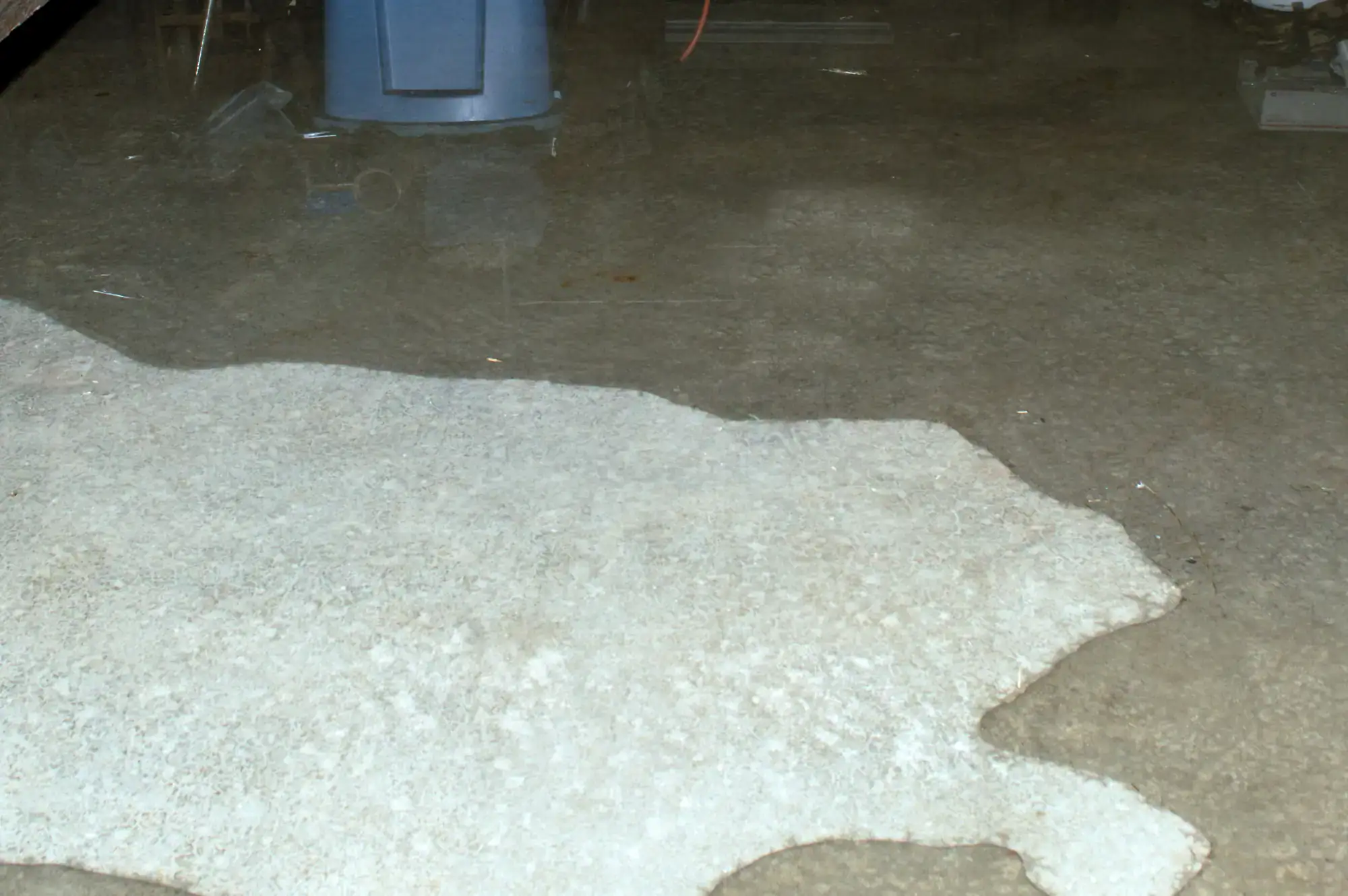
Next, we pump out the standing water using high-capacity extraction equipment. Depending on how much water you’re dealing with, this can take anywhere from an hour to several hours. Once the bulk of the water is gone, we pull up wet materials that can’t be saved—soaked carpet padding, damaged drywall, anything that’s already compromised.
Then comes the drying phase. We place air movers and dehumidifiers strategically throughout your basement to pull moisture out of the air, floors, and walls. This isn’t a one-day process. It usually takes three to five days of controlled drying with daily moisture readings to make sure we’re hitting the benchmarks.
Finally, we treat affected areas with antimicrobial solutions to prevent mold growth, document everything for your insurance company, and walk you through what’s next if repairs are needed. You’re not left guessing what happens after we leave.
Ready to get started?
When we handle a basement flood in Brewer’s Hill, the service includes water extraction, structural drying, moisture monitoring, antimicrobial treatment, and full documentation for insurance claims. We’re not just pumping water out and calling it a day.
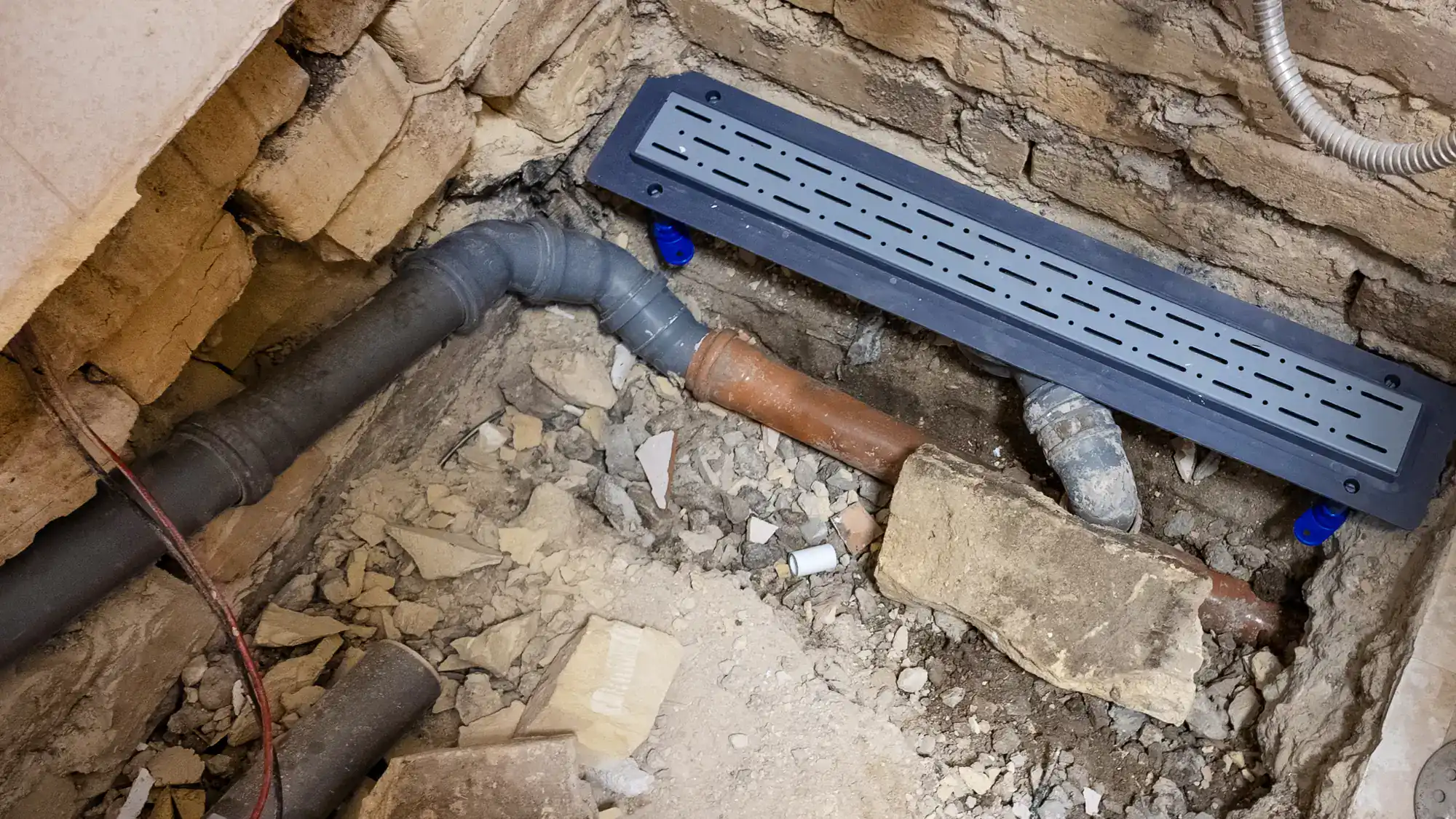
Brewer’s Hill homes were built between the 1890s and 1920s, and a lot of them still have original foundations. That means stone or brick basements that weren’t designed to be waterproof by modern standards. When water gets in, it doesn’t just sit on the surface—it soaks into porous materials and spreads.
We account for that. Our equipment is calibrated for the specific materials in your basement, and our technicians know how to dry old construction without causing more damage. We also coordinate directly with your insurance company so you’re not stuck playing middleman while you’re trying to get your home back in order.
Milwaukee saw over 1,100 reports of basement backups after the last major storm. If your neighborhood flooded, you’re not alone—and you’re not overreacting by calling for help. This is the kind of damage that gets worse if you wait.
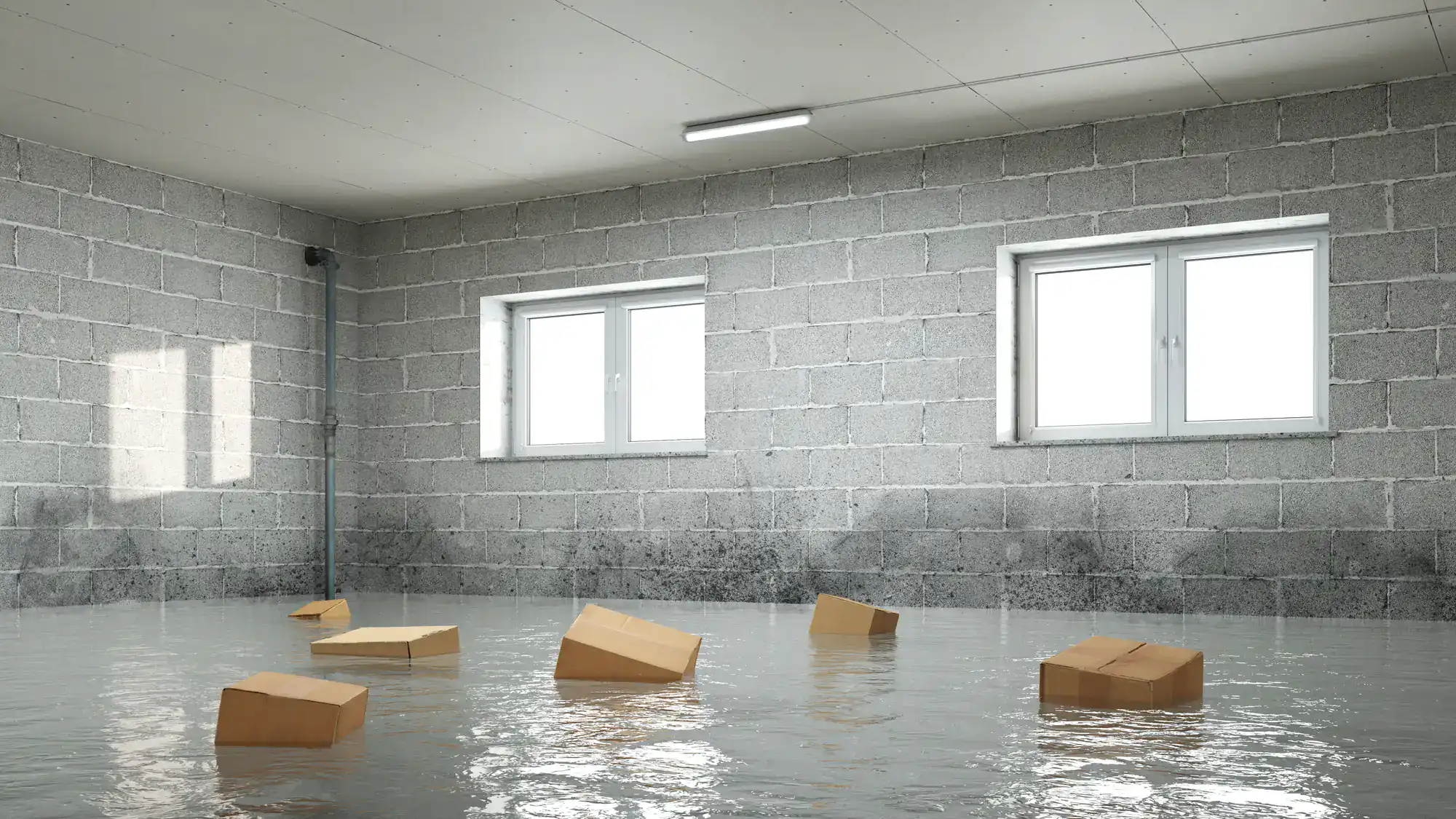
We offer 24/7 emergency response, which means you can call us at any hour and get a real person on the phone who can dispatch a crew. In most cases, we’re on-site within two to four hours depending on the time of day and how many calls we’re managing.
Speed matters because the longer water sits in your basement, the more damage it causes. Drywall starts breaking down. Wood swells. Mold spores start colonizing damp surfaces within 24 to 48 hours.
If your basement just flooded and you’re reading this right now, don’t wait until tomorrow to call. The work we can do in the first few hours makes a measurable difference in how much of your basement we can save and how much will need to be torn out and replaced.
It depends on what caused the flood. If the water came from inside your home—like a burst pipe, broken water heater, or failed sump pump—your homeowner’s policy will usually cover the damage. If it came from outside due to heavy rain or sewer backup, you’ll need separate flood insurance or sewer backup coverage.
We work with insurance companies regularly, so we know how to document the damage in a way that supports your claim. That includes photos, moisture readings, detailed scope notes, and a breakdown of what work is necessary versus optional.
We’ll also communicate directly with your adjuster if needed. A lot of homeowners tell us that’s one of the most helpful parts of working with us, because dealing with insurance paperwork on top of a flooded basement is overwhelming. We take that piece off your plate so you can focus on getting back to normal.
Mold prevention starts with thorough drying. We don’t rely on visual checks or guesswork—we use moisture meters to measure the water content in your floors, walls, and air. If the readings are above the acceptable threshold, we keep drying until they drop into the safe range.
Once the space is dry, we apply antimicrobial treatments to any areas that were exposed to water. This kills mold spores that may have already started growing and creates a hostile environment for future growth.
We also remove materials that can’t be properly dried or disinfected, like soaked insulation, carpet padding, or sections of drywall that absorbed contaminated water. Trying to save those materials might seem cost-effective in the short term, but it’s a mold risk you don’t want to take. We’d rather pull it now than have you call us back in six weeks because your basement smells like mildew and you’re seeing black spots on the walls.
Water extraction is the process of removing standing water from your basement using pumps and wet vacuums. It’s the first step, and it’s critical, but it’s not enough on its own.
Structural drying is what happens after the visible water is gone. Even when your basement looks dry, there’s still moisture trapped in building materials—concrete, wood framing, drywall, insulation. That moisture has to be pulled out using controlled airflow and dehumidification, or it will cause long-term damage.
We set up a drying system tailored to your basement’s size, layout, and materials. Then we monitor it daily, adjusting equipment placement and checking moisture levels until everything hits the target range. This phase typically takes three to five days, and it’s not optional if you want to avoid mold, rot, and structural issues down the line. A lot of companies skip this step or rush through it because it’s time-intensive. We don’t.
No, you don’t need to leave. The work we’re doing is contained to your basement, and it’s not hazardous to be in the rest of your home while we’re working.
That said, our equipment is loud. Air movers and dehumidifiers run continuously during the drying phase, and they’re not quiet. Some people choose to stay elsewhere for a few days just for comfort, but it’s not a safety requirement.
If the water in your basement is contaminated—meaning it came from a sewer backup or contained chemicals, waste, or other hazardous materials—we’ll let you know upfront. In those cases, we take extra precautions, including setting up containment barriers and using personal protective equipment. But for most basement floods caused by clean water sources like supply line breaks or rainwater, you’re safe to stay home.
The cost depends on how much water got in, how long it sat there, and what materials were damaged. A minor basement flood with a few inches of clean water might run a couple thousand dollars. A severe flood with several feet of contaminated water and extensive material damage can cost significantly more.
We don’t give ballpark estimates over the phone because every situation is different, and we’d rather give you an accurate number after we’ve seen the damage in person. What we will tell you upfront is what’s driving the cost—equipment rental, labor hours, material removal, antimicrobial treatment, and any repairs that need to happen after drying is complete.
Most of our clients use insurance to cover the bulk of the cost, and we help with that process by providing detailed documentation and working directly with adjusters. If you’re paying out of pocket, we’ll walk you through the scope so you understand exactly what you’re paying for and why it’s necessary. We don’t add work you don’t need, and we don’t hide fees in fine print.
Other Services we provide in Brewer'S Hill