
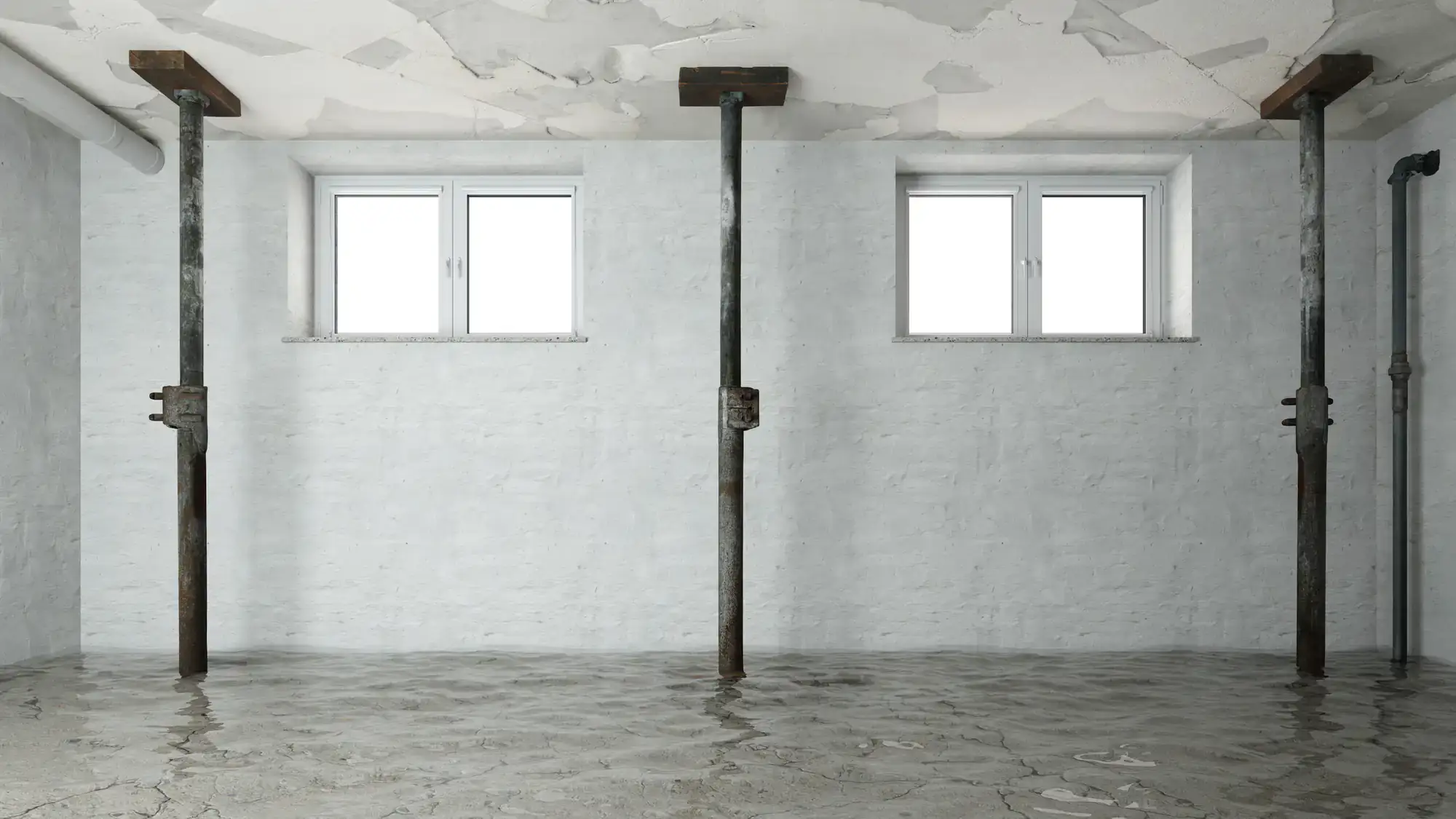
You’re not dealing with a flooded basement because you wanted a project. You’re here because something went wrong and now there’s water where it shouldn’t be.
Here’s what matters: the faster that water comes out, the less damage you’re looking at. Mold starts growing within 24 to 48 hours. Drywall soaks through. Flooring warps. And if moisture sits in hidden spaces behind walls or under floors, you’re setting yourself up for problems that show up weeks later.
When water gets extracted the right way, you’re not just getting it out of sight. You’re stopping the clock on secondary damage. That means industrial equipment that pulls moisture from carpet backing, baseboards, and subflooring. It means dehumidifiers running until moisture readings confirm your space is actually dry, not just surface-level better.
The outcome is a basement that’s safe to use again. No musty smell. No mold concerns. No wondering if you missed something that’s going to cost you later.
We operate in Bay View and across Milwaukee because we know how basements flood here. The century-old sewer systems, the spring downpours, the sump pumps that quit right when you need them—we’ve seen it all.
We’re not the company that shows up, quotes high, and disappears when you have questions. We’re the ones who walk you through what’s happening, explain what needs to be done, and then actually do it. No upselling. No scope creep. Just clear communication and work that gets your space back to normal.
You’ll work with the same project manager from start to finish. That means one person who knows your situation, answers your calls, and makes sure nothing falls through the cracks.
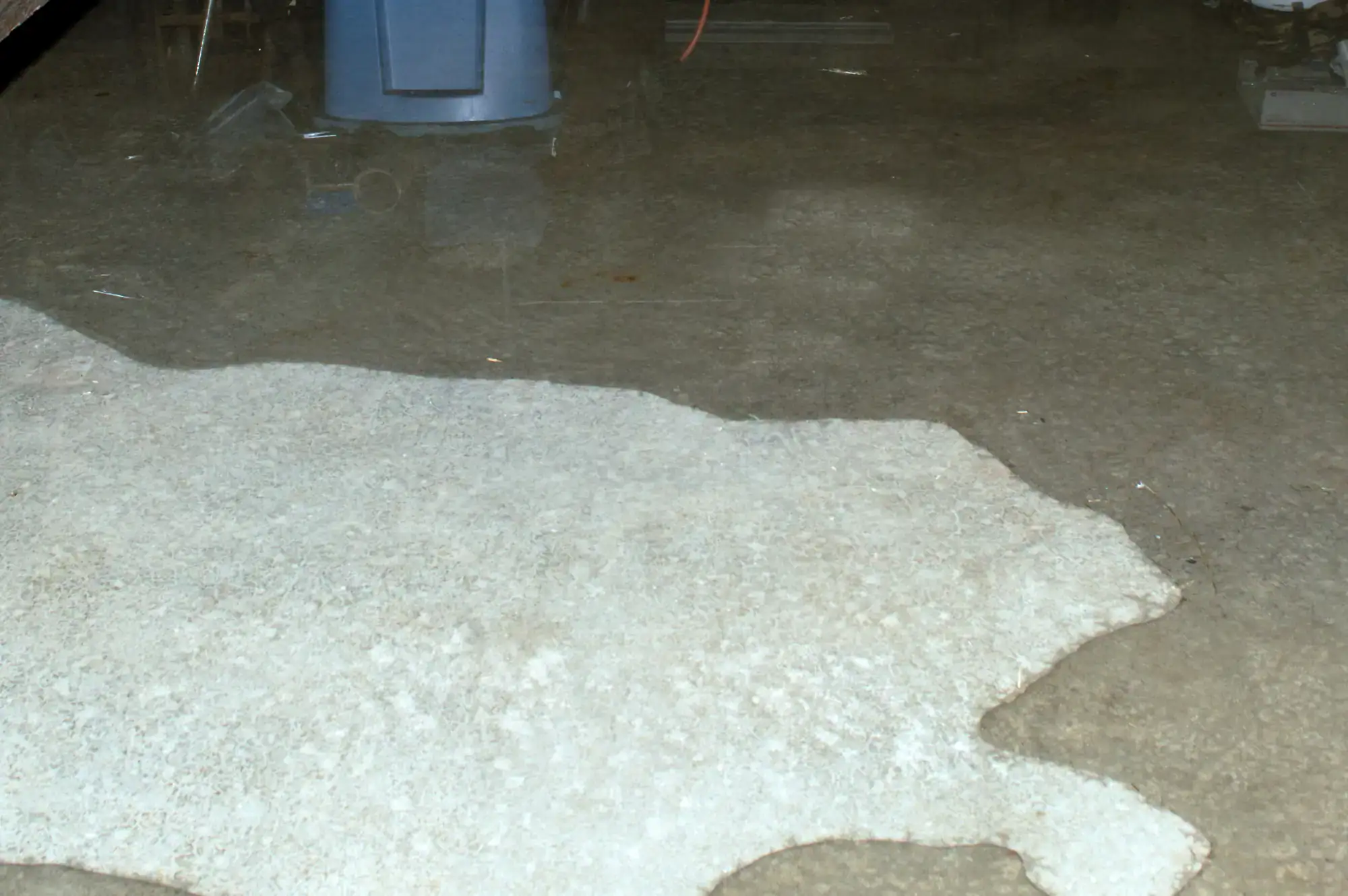
First, we assess the situation. That means figuring out where the water came from, how much damage has already happened, and what’s at risk if we don’t move fast. We’re looking at floors, walls, and anything that’s been sitting in standing water.
Next, we extract the water. We’re talking industrial pumps and vacuums that pull water out of carpet, padding, and anywhere else it’s hiding. If it’s wet, we’re getting it out.
Then comes drying. This isn’t about pointing a fan at the floor and hoping for the best. We set up commercial-grade dehumidifiers and air movers that pull moisture out of materials, not just the air. We monitor moisture levels with meters to confirm everything is actually dry before we move to the next step.
Finally, we handle repairs. Depending on what got damaged, that could mean replacing drywall, pulling up flooring, or addressing insulation. We document everything for your insurance claim and make sure you’re not left guessing what comes next.
Ready to get started?
When your basement floods in Bay View, you’re not just dealing with water. You’re dealing with everything that comes with it—the pressure to act fast, the worry about mold, the confusion about what your insurance will actually cover.
Here’s what you get when we handle your flooded basement cleanup: complete water extraction using truck-mounted and portable equipment, moisture mapping to find hidden water you can’t see, antimicrobial treatment to prevent mold before it starts, and full documentation with photos and readings for your insurance claim.
We also handle the drying process from start to finish. That includes setting up equipment, monitoring it daily, and adjusting as needed based on what the readings tell us. You’re not paying for equipment to sit there and run—you’re paying for someone to make sure it’s actually working.
Bay View basements flood for predictable reasons. Heavy spring rains overwhelm storm sewers. Sump pumps fail during the worst possible moments. Older homes with original plumbing spring leaks that go unnoticed until there’s standing water. We’ve handled all of it, and we know how to move fast without cutting corners.
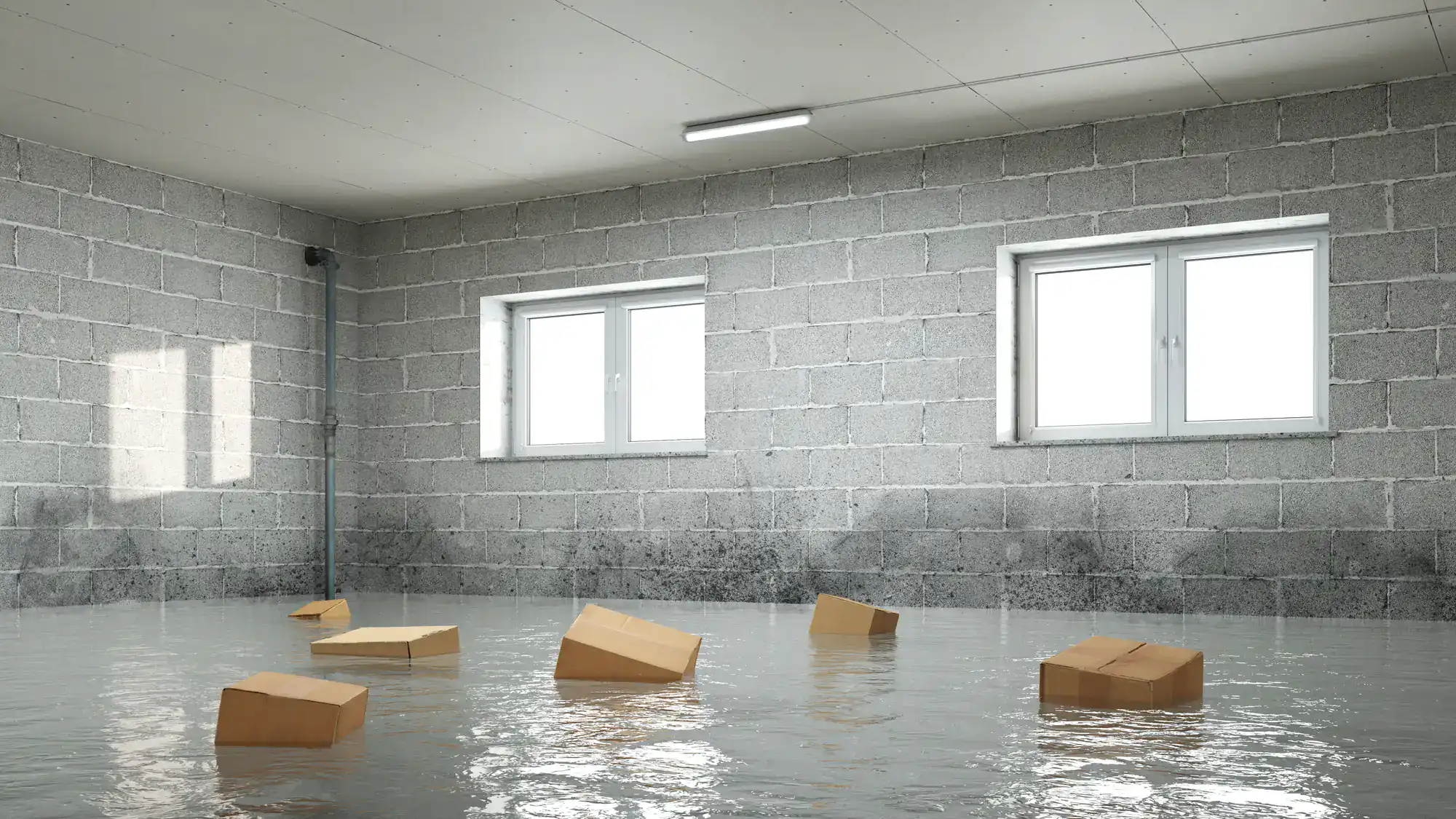
We typically arrive within an hour of your call, and water extraction starts as soon as we assess the situation and confirm it’s safe to work. How long it takes to pump out your basement depends on how much water is there and where it’s sitting.
For a few inches of standing water across an average basement, we’re usually looking at two to four hours for extraction. If there’s significant water or it’s soaked into carpet, padding, or porous materials, it takes longer because we’re not just removing surface water—we’re pulling moisture out of everything it touched.
The bigger concern isn’t just how fast we pump it out. It’s how thoroughly we dry what’s left behind. That’s where most companies fall short, and that’s where you end up with mold problems two weeks later.
It depends on what caused the flood. If your basement flooded because of a burst pipe, a failed sump pump, or a water heater leak, your standard homeowner’s policy will likely cover it. If it flooded because of heavy rain, snowmelt, or a sewer backup, you probably need separate flood insurance or a sewer backup endorsement.
Most people don’t realize their policy doesn’t cover everything until they’re standing in water and making the call. That’s why we document everything from the start—photos, moisture readings, equipment logs, and a detailed scope of damage. We’ve worked with every major insurance company in Milwaukee, and we know what they need to process your claim without delays.
If you’re not sure what your policy covers, call your agent before you start cleanup. And if your claim gets denied or disputed, we’ll provide the documentation you need to push back.
Mold prevention starts with speed. If you get water out and get everything dry within 24 to 48 hours, mold doesn’t have time to establish itself. If you wait longer than that, you’re not preventing mold—you’re managing it.
We prevent mold by removing all standing water, pulling moisture out of materials with dehumidifiers and air movers, and treating affected areas with antimicrobial solutions that stop spores from taking hold. We also remove anything that can’t be saved, like soaked drywall or carpet padding that’s been sitting in dirty water.
The key is drying materials, not just drying the air. A lot of companies will set up equipment and leave, but if no one’s checking moisture levels in your walls and subfloor, you’re guessing. We use moisture meters to confirm everything is below the threshold where mold grows, and we don’t pull equipment until the readings say it’s safe.
Water extraction is getting the visible water out. Drying is getting the moisture out of everything the water touched. They’re two separate steps, and you need both.
Extraction happens first. We use pumps and vacuums to remove standing water and pull as much as we can from carpets, padding, and other materials. This is the fast part—usually a few hours depending on how much water there is.
Drying takes longer. Even after extraction, moisture is still sitting in drywall, wood framing, insulation, and subflooring. If that moisture doesn’t come out, it creates the perfect environment for mold, rot, and structural damage. We use commercial dehumidifiers and air movers to pull that moisture out over the course of several days, and we monitor it with meters to make sure it’s actually working.
Most homeowners think extraction is enough. It’s not. Drying is where the real work happens, and it’s the step that prevents all the expensive problems that show up later.
Typically three to five days, but it depends on how much water was there, what materials got wet, and how long the water was sitting before we started working.
Concrete and drywall hold moisture longer than you’d think. Carpet padding acts like a sponge. Wood framing can stay damp for over a week if it’s not dried with the right equipment. We’re not guessing when it’s dry—we’re using moisture meters to track levels in walls, floors, and other materials until they’re back to normal.
If your basement flooded and sat for more than 24 hours before we got there, drying takes longer because materials have absorbed more water. If we’re there within a few hours, we can usually speed up the process.
You’ll see equipment running the whole time—dehumidifiers, air movers, and sometimes heaters depending on the temperature. We check in daily to monitor progress and adjust equipment as needed. When the readings confirm everything is dry, we pull the equipment and move to repairs if needed.
No, you don’t need to leave in most cases. Basement flood cleanup is disruptive, but it’s not dangerous if the work is being done correctly. You’ll hear equipment running, and there will be people in and out of your home during the first day or two, but you can stay.
The exception is if there’s a safety concern—live electrical hazards, sewage contamination, or structural damage that makes the space unsafe. In those situations, we’ll tell you upfront and explain what needs to happen before it’s safe to be in that area.
Most of our equipment runs 24/7 during the drying process, so you’ll hear fans and dehumidifiers for several days. Some people find it annoying. Others don’t mind. Either way, it’s necessary to get your basement dry and prevent mold from becoming a bigger problem than the flood itself.
Other Services we provide in Bay View