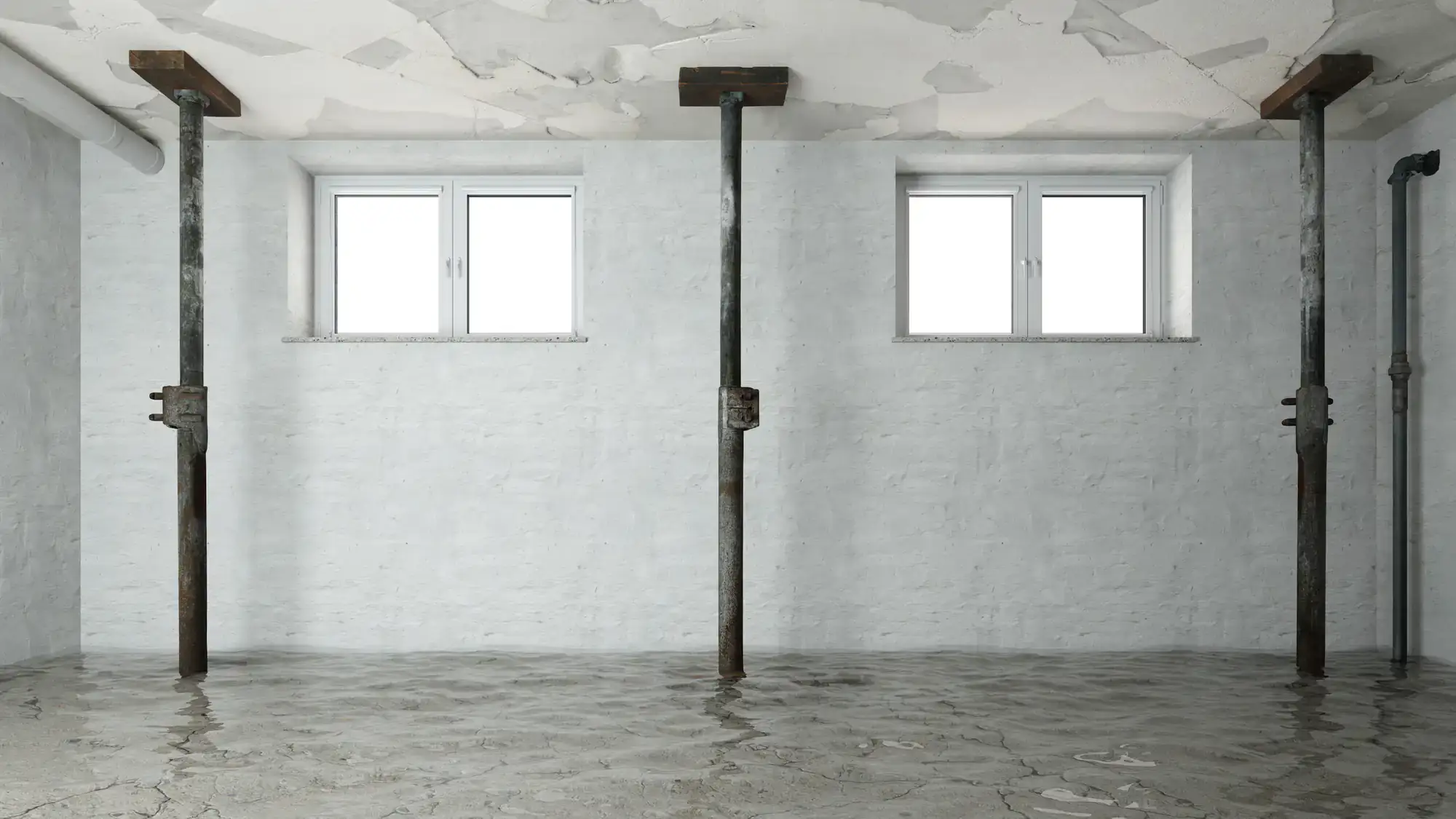
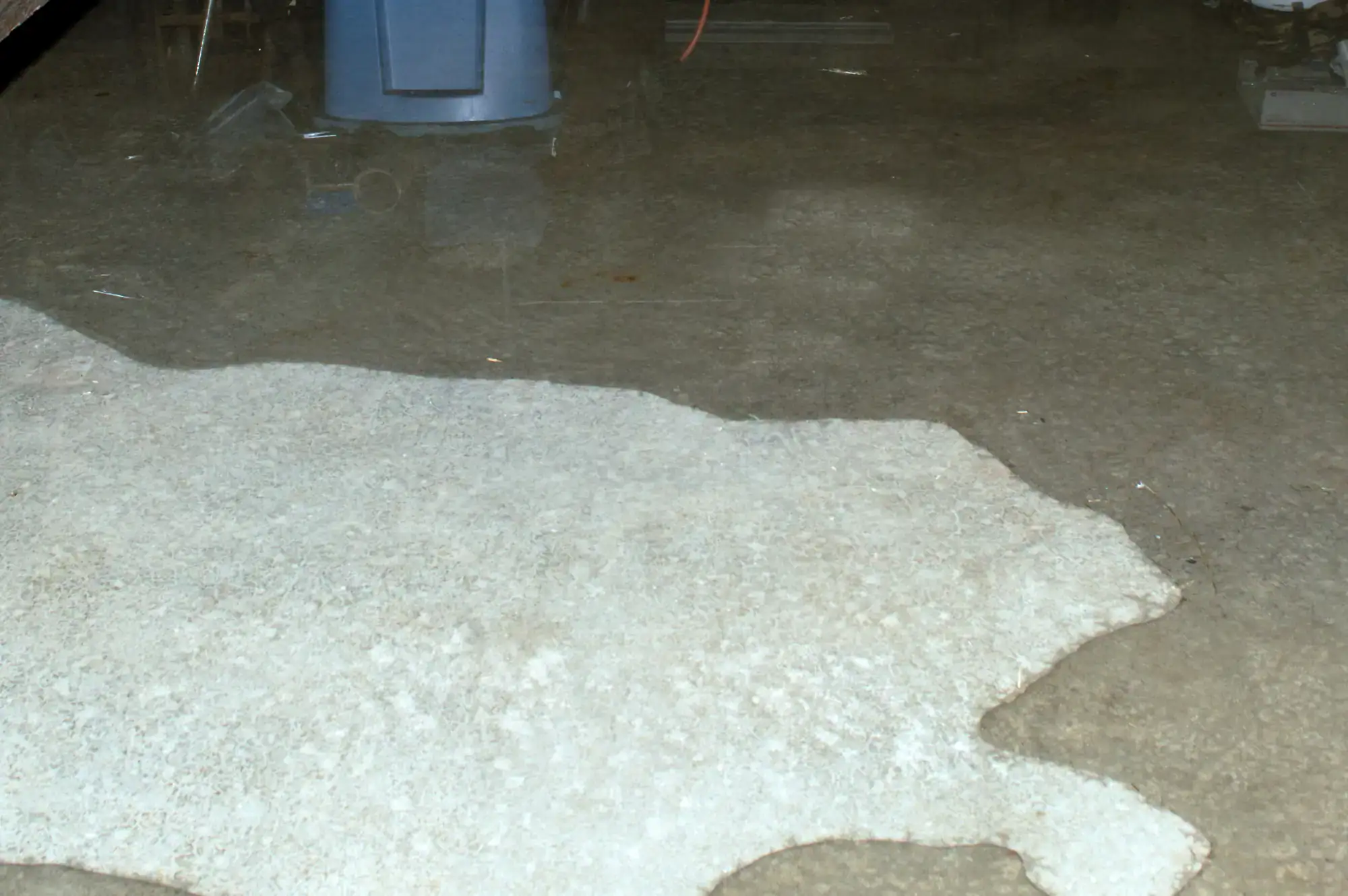
You’re looking at standing water, ruined belongings, and a clock that’s already ticking toward mold growth. Within 24 to 48 hours, what started as a flooded basement cleanup in Avenues West becomes a mold remediation project that costs thousands more.
Our basement water removal service gets industrial-grade pumps and extractors into your home fast. We pull water from carpet, concrete, drywall, and anywhere else it’s hiding. The faster we extract it, the more you save on replacement costs and the less likely you are to deal with health risks down the road.
You get a dry basement, documentation for your insurance claim, and a clear plan for what happens next. No guessing. No waiting around while water soaks deeper into your foundation.
We work with homeowners across Avenues West who need honest help during a stressful situation. We’re not the company that shows up, inflates the scope, and disappears when you have questions.
We’ve seen what happens when Milwaukee gets hit with flash flooding like the August 2025 storm that dumped over six inches of rain in two days. Basements across Avenues West filled with water. Many homeowners didn’t have flood insurance and got stuck with bills in the tens of thousands.
We show up, assess the real damage, and tell you exactly what needs to happen to get your basement livable again. You’ll work with a project manager who keeps you updated through every step, from emergency water extraction in Avenues West through final repairs.
You call us, day or night, and we’re on our way. Our team arrives with pumps, extractors, moisture meters, and everything needed to pump out your flooded basement in Avenues West.
First, we remove standing water using truck-mounted extractors that pull thousands of gallons per hour. Then we use commercial dehumidifiers and air movers to dry out what the pumps can’t reach—inside walls, under flooring, anywhere moisture is trapped. We measure humidity levels in real time to make sure we’re hitting the targets that prevent mold.
While equipment runs, we document everything with photos and moisture readings. You’ll need this for your insurance claim. We also remove damaged materials that can’t be saved—soaked drywall, ruined insulation, anything that’s already growing mold.
Once your basement is dry and safe, we walk you through repair options. Some jobs just need paint and new carpet. Others require structural work. We’ll tell you what’s necessary and what’s not, and your project manager coordinates everything so you’re not dealing with five different contractors.
Ready to get started?
When we handle a basement flood in Avenues West, you’re getting more than just water removal. You’re getting a team that understands Milwaukee’s specific challenges—Lake Michigan humidity, freeze-thaw cycles that burst pipes, and storm systems that overwhelm aging infrastructure.
We extract all standing water, dry structural materials to safe moisture levels, and treat areas at risk for mold. If contamination is present—like sewage backup—we follow health department protocols to disinfect and dispose of hazardous materials safely. You’ll also get help navigating your insurance claim, including detailed documentation and direct communication with adjusters if needed.
Avenues West has a high concentration of older homes and student rentals, which means basements that weren’t built with modern waterproofing. After a major rain event, you’re often dealing with foundation seepage on top of surface flooding. We assess both and give you a realistic picture of what caused the problem and how to prevent it next time.
The goal is to get your basement back to safe, dry, and usable as quickly as possible without cutting corners that lead to bigger problems later.
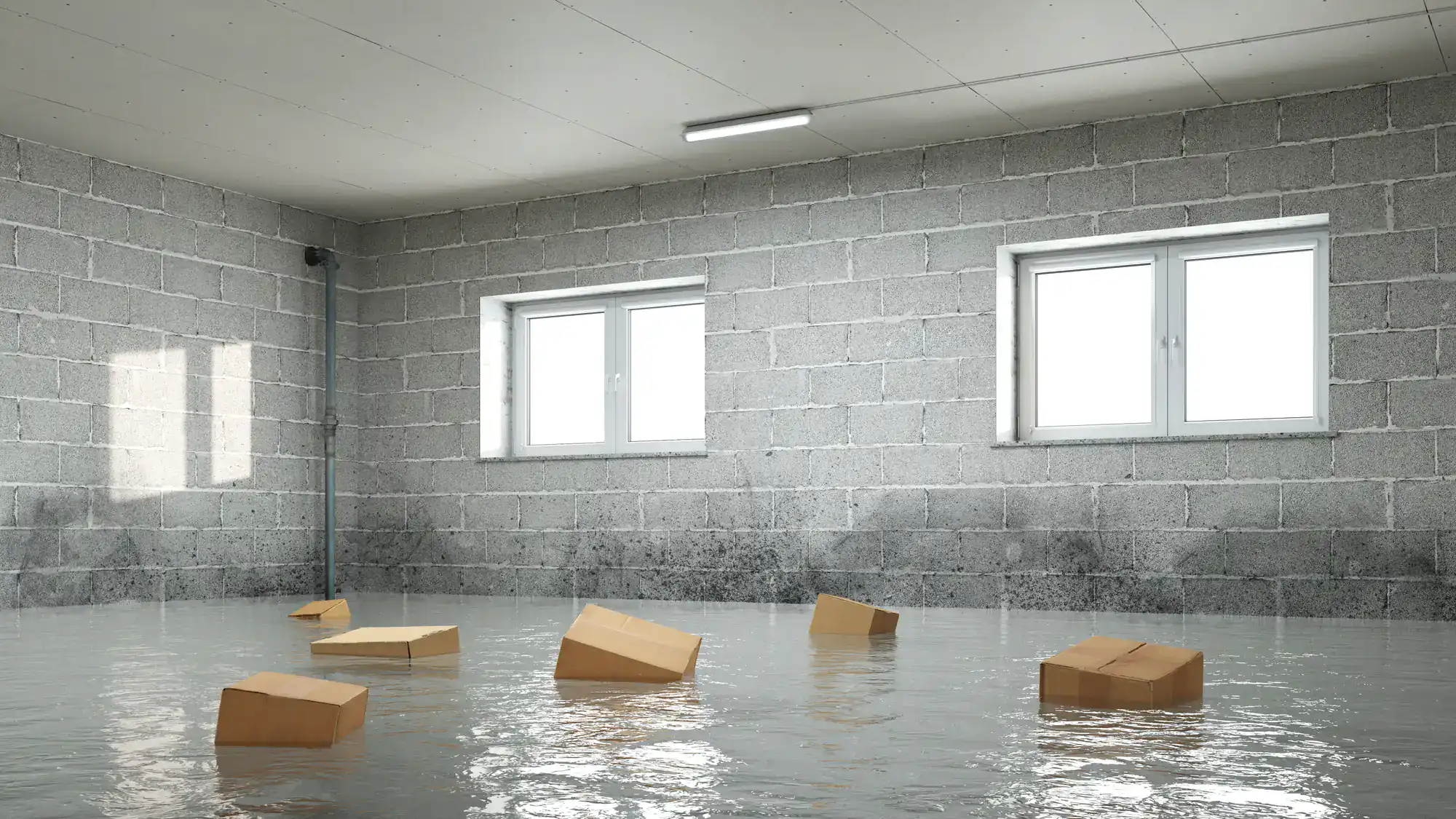
We run 24/7 emergency response because basement floods don’t wait for business hours. When you call, we dispatch a crew immediately—usually within 60 minutes depending on where you are in Avenues West and what else is happening across Milwaukee.
Speed matters because mold starts growing within 24 to 48 hours of water exposure. The longer water sits, the more it spreads into walls, insulation, and flooring. What could’ve been a straightforward extraction turns into a full gut job if you wait too long.
If we’re dealing with a widespread event like the August 2025 flooding, response times can stretch as we triage the most urgent situations first. But we’ll tell you exactly when we can get there and what you can do in the meantime to minimize damage.
It depends on what caused the flood. Standard homeowner’s policies typically cover sudden internal failures—like a burst pipe or broken water heater. They don’t cover flooding from external sources like heavy rain, river overflow, or sewer backups unless you have separate flood insurance or sewer backup coverage.
Most Avenues West residents don’t carry flood insurance, which became painfully clear after the 2025 storms when thousands of homeowners faced out-of-pocket costs between $25,000 and $30,000. If you’re not sure what your policy covers, we can help you review it and document the damage in a way that gives you the best chance at a claim approval.
We also work directly with insurance adjusters. If your claim gets approved, we’ll coordinate with them on scope, pricing, and timelines so you’re not stuck in the middle trying to translate restoration language.
Waiting. Either because they think it’ll dry on its own, or because they’re overwhelmed and don’t know who to call, or because they’re trying to avoid the cost. But waiting is what turns a $5,000 problem into a $25,000 problem.
Water doesn’t just sit on the surface. It wicks up into drywall, soaks into insulation, and penetrates wood framing. Within two days, mold is already growing. Within a week, you’re looking at structural rot and serious health risks, especially if anyone in your home has asthma or a weakened immune system.
The other big mistake is trying to handle it yourself with a shop vac and some fans. You might get the visible water up, but you’re not reaching what’s trapped inside walls and under flooring. Without commercial dehumidifiers and moisture meters, you’re basically guessing—and mold doesn’t care about good intentions.
Mold prevention comes down to speed and thoroughness. We need to get moisture levels below 60% relative humidity within 48 hours. That means extracting all standing water, removing soaked materials that can’t be dried, and running industrial dehumidifiers until moisture readings hit safe levels.
We use thermal imaging cameras to find hidden water and moisture meters to track drying progress in real time. If materials are already showing mold growth, we remove and dispose of them according to Milwaukee Health Department guidelines. Trying to clean mold off drywall or insulation doesn’t work—it just spreads spores.
Avenues West basements are particularly vulnerable because of high humidity from Lake Michigan and older construction that lacks vapor barriers. Even after we dry everything out, we’ll talk to you about long-term prevention—better drainage, dehumidifiers, sump pump upgrades—so you’re not dealing with this again next spring.
It depends on how much water got in, how long it sat, and what got damaged. A minor basement flood in Avenues West with quick response might run a few thousand dollars for extraction and drying. A major flood that sat for days and requires full demolition and mold remediation can hit $25,000 or more.
We give you a clear estimate after we assess the damage. No inflated emergency pricing. No surprise charges later. You’ll know what the work costs, what your insurance might cover, and what your options are if you need to pay out of pocket.
The biggest factor in cost is time. The faster you call us, the less damage occurs, and the lower your final bill. Waiting doesn’t save you money—it just shifts costs from water extraction to mold remediation and structural repairs, which are significantly more expensive.
If it’s safe to do so, shut off the water source if you can identify it—like a burst pipe or leaking appliance. Don’t wade into deep water if there’s any chance of electrical hazards. Turn off power to the basement if you can do it safely from your breaker panel.
Move any valuables or important documents to higher ground. Take photos and videos of the damage for your insurance claim. If you have a wet-dry vacuum, you can start removing standing water, but don’t exhaust yourself trying to handle the whole job—you won’t have the equipment to finish it properly.
Don’t start tearing out drywall or throwing away belongings until we’ve documented everything. Insurance adjusters need to see the damage, and if you dispose of evidence too early, it can hurt your claim. We’ll walk you through what needs to go and what can be saved once we’re on-site.
Other Services we provide in Avenues West