
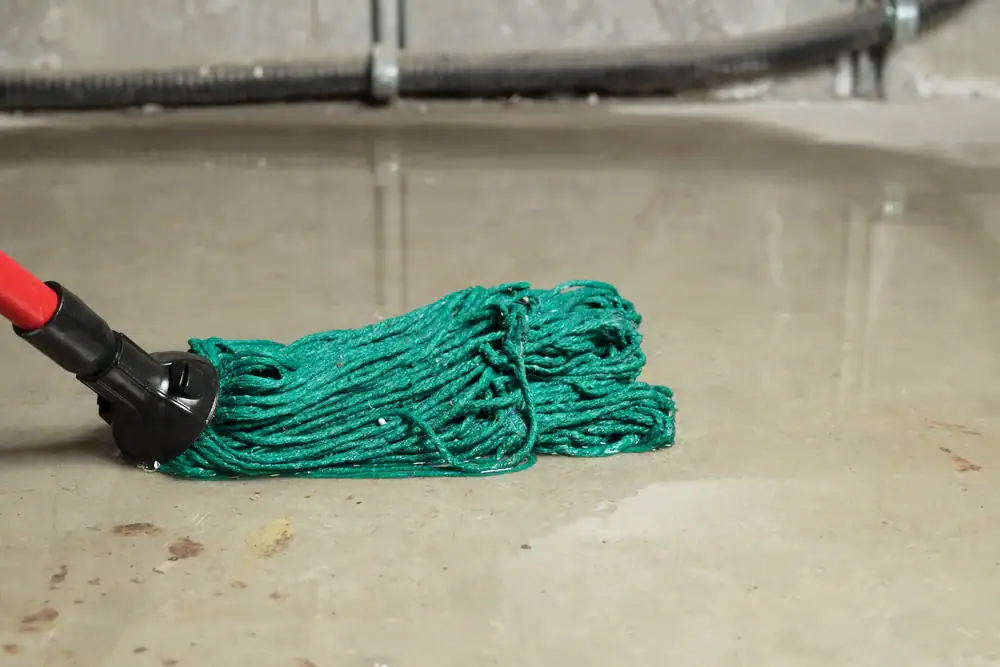
You’re not dealing with just water—you’re facing potential mold growth, structural damage, and mounting costs every hour you wait. Our emergency flood damage cleanup stops the spread immediately.
Within hours, we extract every drop of standing water and begin the drying process that prevents mold from taking hold. Your basement becomes livable again, your belongings get salvaged when possible, and you avoid the nightmare of long-term damage that turns a flood into a months-long ordeal.
Most importantly, you get your peace of mind back. No more wondering if moisture is lurking behind walls or if that musty smell means bigger problems.
We’ve been handling Milwaukee area water emergencies for years. We’ve seen what happens when Riverwest’s older infrastructure meets heavy spring rains and record-breaking storms.
Our team understands how water moves through your neighborhood’s basements and why certain streets flood faster than others. That local knowledge means we arrive prepared with the right equipment and realistic timelines.
We’re the restoration company that Milwaukee families call when they need someone who actually shows up, works efficiently, and doesn’t disappear once the check clears.
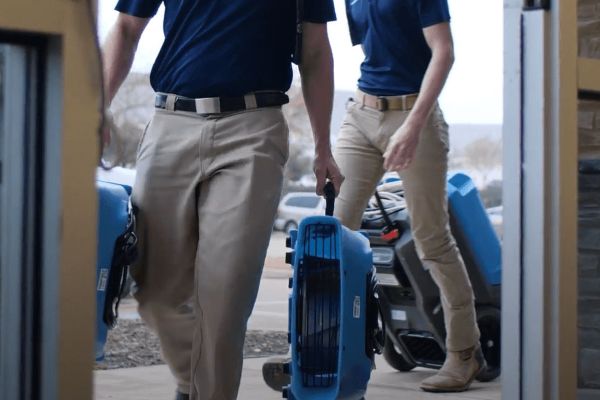
First, we assess the damage and identify safety hazards like electrical risks or structural concerns. You’ll know immediately what we’re dealing with and what it’s going to take to fix it.
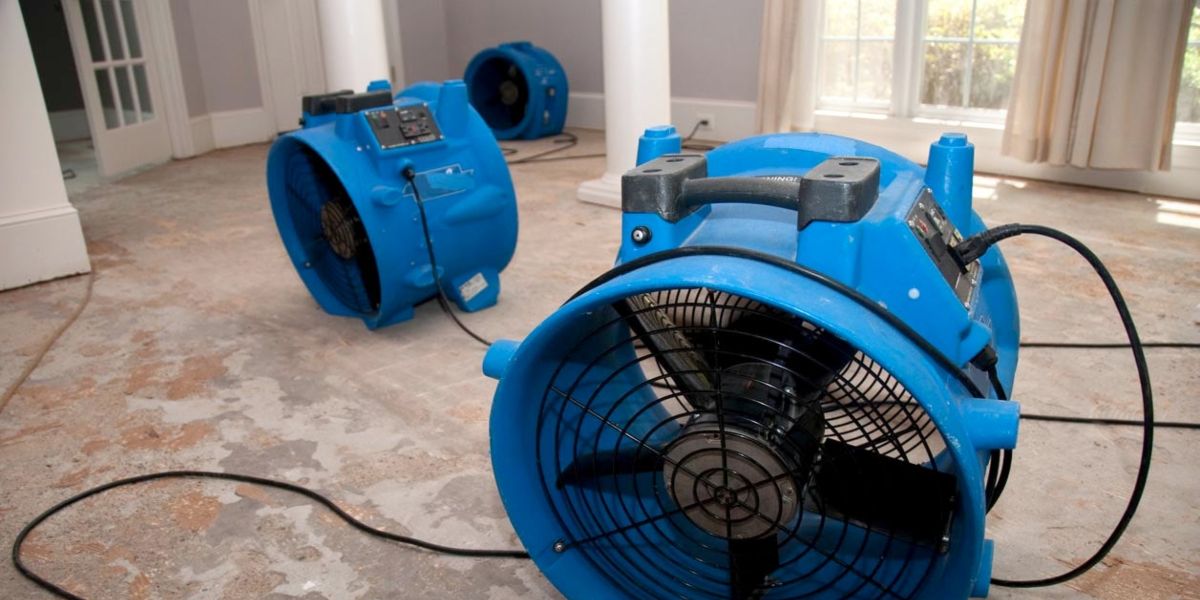
Next comes water extraction using industrial-grade pumps and vacuums. We remove standing water fast, then begin the drying process with commercial dehumidifiers and air movers positioned strategically throughout affected areas.
Finally, we handle repairs and restoration. Damaged drywall gets replaced, flooring gets restored or replaced, and we make sure everything is properly sanitized. Throughout the process, we document everything for your insurance claim and keep you informed about progress and timelines.
Ready to get started?
Our flood damage cleanup includes everything needed to get your property back to normal. Water extraction is just the beginning—we handle structural drying, mold prevention, content cleaning, and complete restoration.
In Riverwest, we’ve learned that basement flooding often involves contaminated water from overwhelmed sewer systems. That means specialized cleaning protocols and proper disposal of damaged materials. We handle hazardous cleanup safely and follow all local regulations.
We also coordinate directly with insurance companies, providing detailed documentation and working with adjusters to ensure you get the coverage you deserve. No fighting with your insurance company while you’re dealing with flood damage.
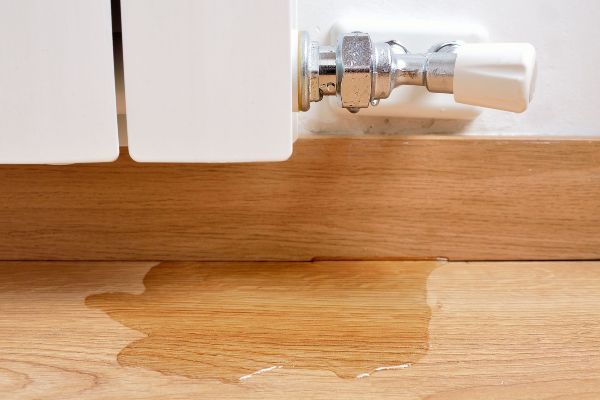
We provide 24/7 emergency response throughout the Milwaukee area, typically arriving within 90 minutes of your call. For basement flooding, speed matters because mold can begin growing within 24-48 hours.
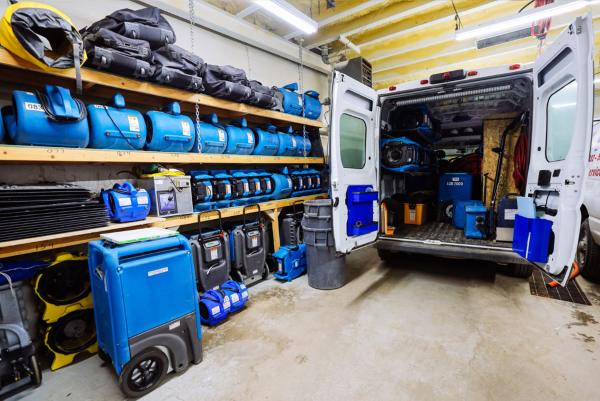
Our emergency response includes immediate water extraction and safety assessment. We bring industrial-grade pumps and extraction equipment on every call, so we can start removing water immediately rather than scheduling a return visit.
Time is critical with flood damage. The sooner we start extraction and drying, the more of your belongings we can save and the less structural damage you’ll face.
Coverage depends on the source of the flooding and your specific policy. Sudden water damage from burst pipes or appliance failures is typically covered, while flooding from external sources like storms may require separate flood insurance.
We work directly with insurance companies and provide detailed documentation of all damage and restoration work. This includes photos, moisture readings, and itemized repair lists that help support your claim.
Our team handles the insurance paperwork and communicates with adjusters throughout the process. You shouldn’t have to become an insurance expert while dealing with flood damage—that’s our job.
Water damage typically comes from internal sources like burst pipes, leaking appliances, or roof leaks. Flood damage involves external water sources like storms, sewer backups, or rising groundwater—often contaminated water requiring specialized handling.
Flood damage cleanup requires more extensive safety protocols, contamination testing, and often involves removing and disposing of more materials. The drying process is also more complex because floodwater affects larger areas and penetrates deeper into building materials.
Both require immediate professional response, but flood damage usually means longer restoration timelines and more comprehensive rebuilding. The good news is we handle both types of damage and can explain exactly what your situation requires.
Mold prevention starts with rapid water extraction and immediate drying. We use commercial-grade dehumidifiers, air movers, and moisture detection equipment to eliminate moisture from all affected areas, including inside wall cavities.
We monitor moisture levels throughout the drying process using specialized meters and thermal imaging cameras to detect hidden moisture. Areas must reach specific moisture levels before we consider the drying process complete.
If we discover existing mold growth, we handle remediation using containment systems and HEPA filtration to prevent spores from spreading. The key is addressing moisture immediately—waiting even 24 hours significantly increases mold risk.
Many items can be saved with proper cleaning and restoration techniques, but it depends on the type of water involved and how long items were submerged. Clean water damage offers the best chance for salvaging belongings.
We assess each item individually and use specialized cleaning methods for different materials. Electronics, documents, and textiles often require specific restoration processes that we can coordinate through our network of specialists.
Items contaminated by sewage or heavily contaminated floodwater typically need to be disposed of for health reasons. We help you document everything for insurance purposes and focus our restoration efforts on items that can be safely salvaged.
First, ensure your safety by staying out of standing water if there’s any possibility of electrical hazards. Turn off electricity to affected areas at the circuit breaker if you can do so safely from a dry location.
Call us immediately for emergency response—don’t wait to see if the water will recede on its own. Take photos for insurance purposes if you can do so safely, but don’t delay professional water extraction to document damage.
Avoid walking through contaminated floodwater and don’t attempt to use regular household equipment for water removal. Professional extraction equipment removes water much more effectively and begins the drying process that prevents mold growth and structural damage.
Other Services we provide in Riverwest