
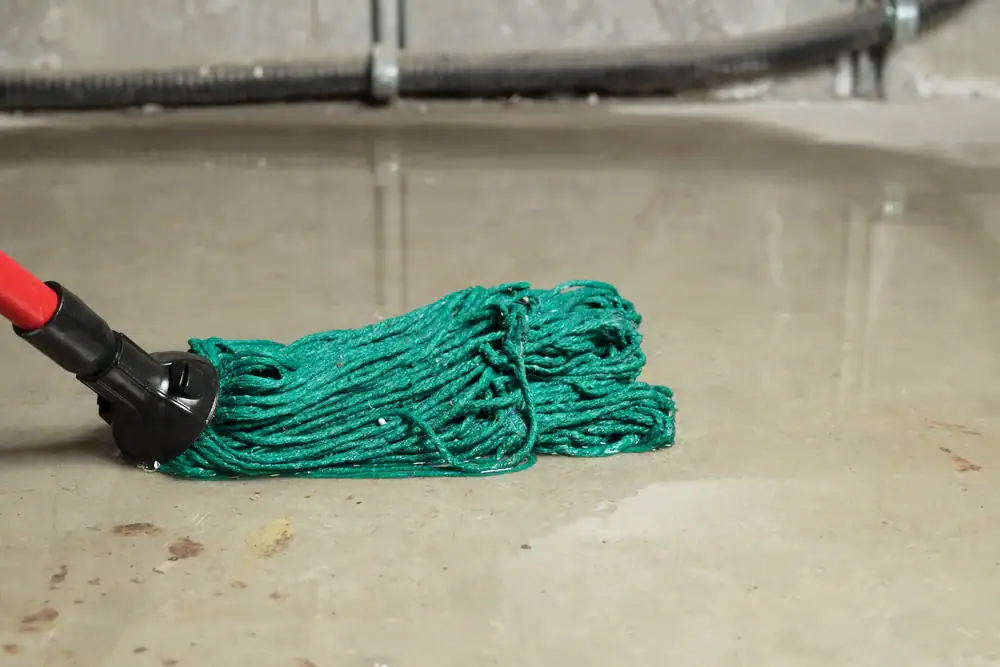
When flood water invades your Hampton Heights home, every hour counts. Our emergency water extraction removes standing water fast, preventing the mold growth that can start within 24 hours.
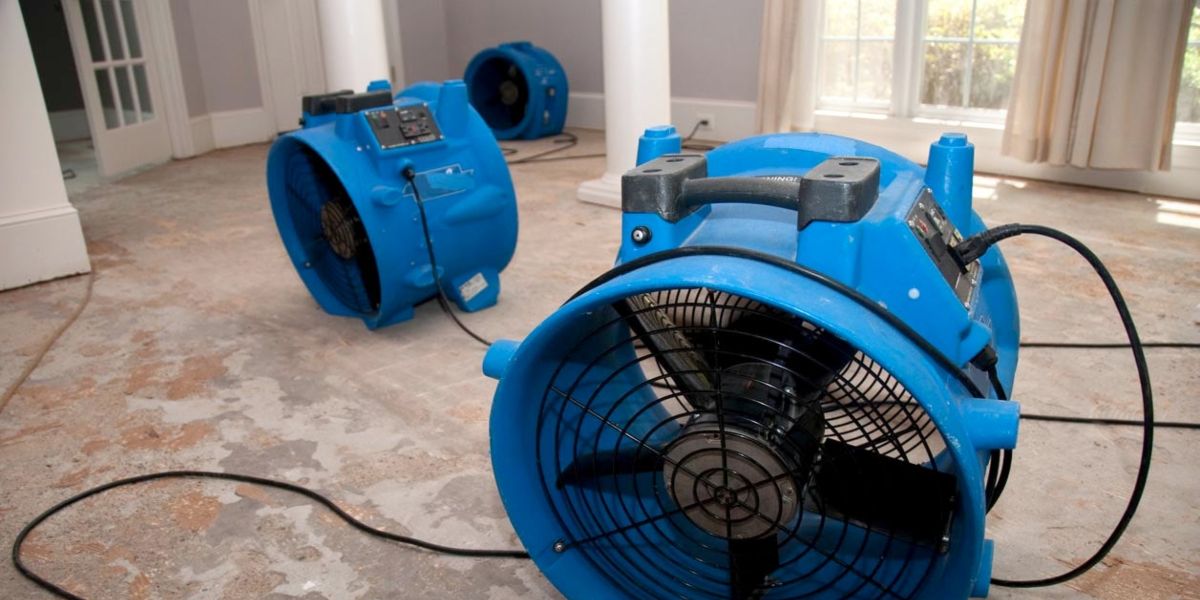
Your floors dry completely. Your walls stay structurally sound. Your family breathes clean air again. We use industrial dehumidifiers and air movers to eliminate moisture from every corner, crack, and crevice.
The result? A home that’s not just dry, but properly restored to pre-flood conditions. No hidden moisture. No lingering odors. No future mold surprises.
We’re the flood cleanup team Hampton Heights calls when disaster strikes. As a local, family-owned operation, we understand how Wisconsin’s unpredictable weather can turn your basement into a lake overnight.
Our team has seen firsthand how historic flooding has impacted southeastern Wisconsin communities. We know the soil conditions, the common problem areas, and exactly how floodwater behaves in Hampton Heights homes.
When you call us at 2 AM because your sump pump failed, we answer. When your insurance adjuster needs documentation, we provide it. When your neighbor asks who cleaned up your flood damage so well, you’ll have a name to give them.
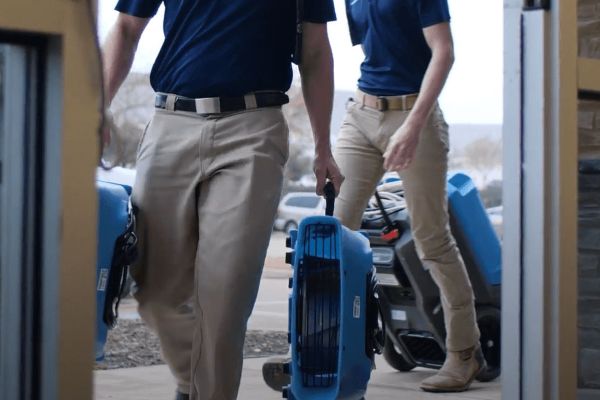
First, we assess the damage within hours of your call. Our technicians identify all affected areas, test moisture levels, and create a detailed restoration plan. You know exactly what needs fixing and what can be saved.
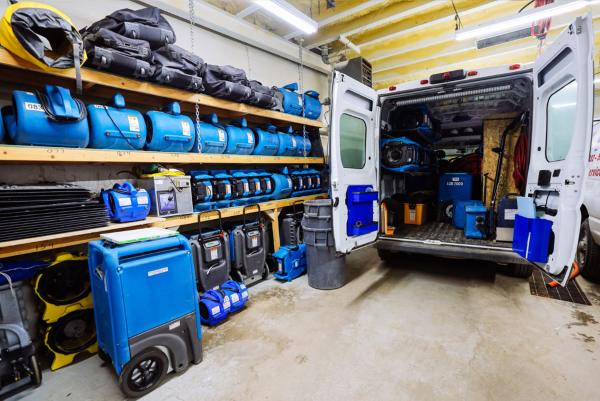
Next comes water extraction. We remove standing water using high-capacity pumps and extractors, then set up industrial dehumidifiers and air movers. This isn’t a shop-vac job—we’re pulling moisture from inside walls, under flooring, and from structural materials.
Finally, we handle the restoration. Damaged materials get removed and replaced. Everything salvageable gets cleaned, disinfected, and dried properly. We document every step for your insurance claim and don’t consider the job complete until your home passes our final moisture inspection.
Ready to get started?
Your flood damage cleanup includes complete water extraction, structural drying, mold prevention, and content restoration. We handle contaminated water cleanup, sewage backup removal, and emergency board-up services when needed.
Hampton Heights homes built on Wisconsin’s clay-heavy soil face unique challenges during flooding. Basement walls can develop hydrostatic pressure issues, and crawl spaces often trap moisture longer than expected. Our local experience means we check these problem areas that out-of-town companies miss.
We also coordinate directly with your insurance company, providing detailed documentation and moisture readings they require. Most homeowners only pay their deductible, and we handle the paperwork that makes the process smooth instead of stressful.
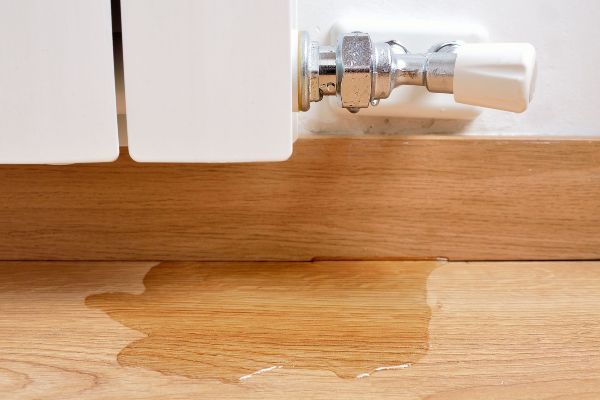
Call immediately—within the first few hours if possible. Flood damage gets exponentially worse with time, and mold can begin growing within 24-48 hours of water exposure.
The longer water sits, the more it penetrates into subflooring, wall cavities, and structural materials. What starts as a surface water problem becomes a major reconstruction project if you wait. We’ve seen Hampton Heights homeowners lose entire basement renovations because they thought they could handle the cleanup themselves over the weekend.
Insurance companies also look more favorably on claims where professional mitigation started quickly. Fast response shows you took reasonable steps to prevent additional damage, which can mean better coverage for your restoration costs.
Flood damage typically involves contaminated water from outside sources—storm water, sewer backups, or groundwater intrusion. This requires specialized cleaning protocols and safety equipment that standard water damage cleanup doesn’t need.
Clean water damage from burst pipes or appliance leaks can often be dried and restored without extensive sanitization. Flood water carries bacteria, chemicals, and debris that make everything it touches potentially hazardous. We treat flood-damaged materials with antimicrobial solutions and follow strict containment procedures.
The restoration process is also more complex with flood damage. We often need to remove and replace more materials, and the drying time is longer because flood water penetrates deeper into building materials than clean water does.
Standard homeowner’s insurance typically doesn’t cover flood damage from external water sources like storms or rising groundwater. However, it usually covers sudden internal water damage from burst pipes, appliance failures, or roof leaks.
If you have a separate flood insurance policy through FEMA’s National Flood Insurance Program, that would cover storm-related flooding. Many Hampton Heights residents discovered this gap during recent flooding events when they needed emergency cleanup but didn’t have flood coverage.
We work with both types of claims regularly and can help you understand what’s covered. We also provide detailed documentation that insurance companies require, including moisture readings, photos, and repair estimates that support your claim.
Mold prevention starts with rapid water extraction and immediate structural drying. We use commercial-grade dehumidifiers and air movers to bring humidity levels below 50% within 24-48 hours, which stops mold spores from germinating.
We also apply antimicrobial treatments to all flood-affected surfaces and materials. This kills existing bacteria and creates a protective barrier against future growth. Any materials that can’t be properly dried—like soaked insulation or heavily saturated drywall—get removed and replaced rather than restored.
Throughout the process, we monitor moisture levels with digital meters and thermal imaging cameras. We don’t consider the job complete until all materials register normal moisture content. This systematic approach prevents the hidden mold problems that can develop weeks or months after flooding.
Most flood damage cleanup and drying takes 3-8 days, depending on the extent of water penetration and the materials involved. Simple basement flooding might be dry in 3-4 days, while whole-house flooding with structural damage can take 1-2 weeks.
The restoration phase—rebuilding damaged areas—adds additional time based on what needs replacement. Drywall and flooring replacement might add another week, while full basement reconstruction could take several weeks. We provide realistic timelines upfront so you can plan accordingly.
Weather affects drying time too. High humidity days in Wisconsin can slow the process, while our dehumidifiers work more efficiently in cooler, drier conditions. We adjust our equipment and timeline based on current conditions to ensure thorough drying without unnecessary delays.
First, ensure your safety—shut off electricity to flooded areas and avoid standing water if electrical outlets might be submerged. Then call us for emergency water extraction while documenting the damage with photos for insurance purposes.
Don’t start moving belongings or attempting cleanup yourself. Flood water can be contaminated, and improper handling can spread bacteria throughout your home. Professional extraction equipment removes water much more effectively than household tools, and we know which materials can be saved versus what needs immediate removal.
Time is critical, so don’t wait for insurance approval to start mitigation. Most policies require you to prevent additional damage, and emergency water extraction falls under that requirement. We can work directly with your insurance company to streamline the claims process while protecting your property.
Other Services we provide in Hampton Heights