
You walk into your home and take a deep breath without worry. No more musty smells, no more wondering if that dark spot is growing, no more sleepless nights thinking about your family’s health. Your basement stays dry, your air feels clean, and you actually enjoy being in your house again.
The constant stress about property damage disappears. You’re not checking corners for new growth or wondering if visitors can smell something off. Your home feels like your sanctuary again, not a source of anxiety.
When Wisconsin’s humid summers hit or winter snow starts melting, you don’t panic about moisture problems. You’ve got systems in place that work, and you know exactly who to call if something comes up.
We’ve been helping Greendale families deal with mold problems for years. We’re local, family-owned, and we understand exactly what Wisconsin weather does to homes—from summer humidity spikes to spring snowmelt creating perfect conditions for mold growth.
We’ve seen it all in this area. Basement mold after heavy rains, attic problems from ice dams, bathroom issues from poor ventilation during our humid summers. Every situation teaches us something new about how to solve these problems faster and more completely.
Our team uses advanced equipment and follows a systematic five-step process that addresses both the visible mold and the underlying moisture issues. We’re not just cleaning what you can see—we’re fixing the problem so it doesn’t come back next season.
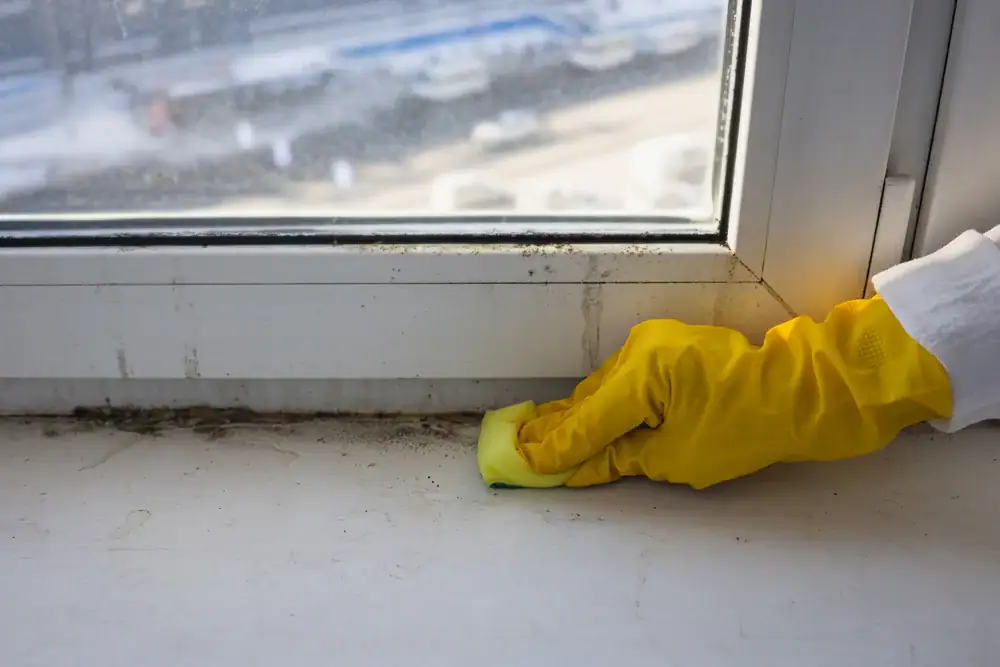
First, we do a complete assessment of your property. Our technicians identify all affected areas, check for hidden moisture sources, and figure out what caused the problem in the first place. This isn’t a quick walk-through—we’re looking behind walls, checking humidity levels, and mapping out exactly what needs to be done.
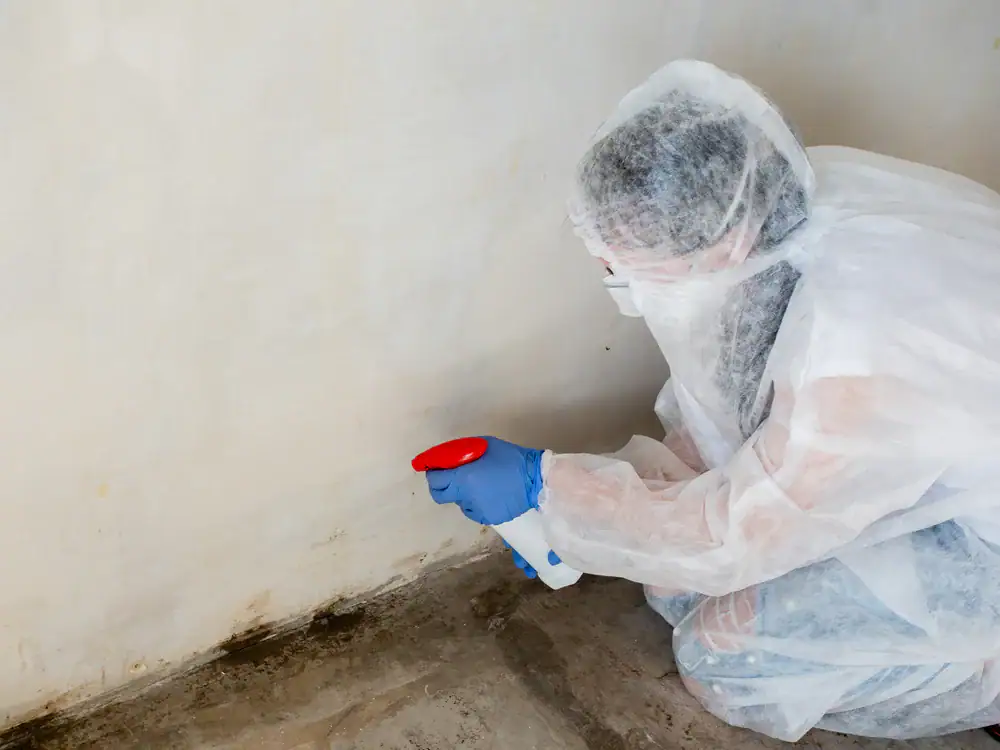
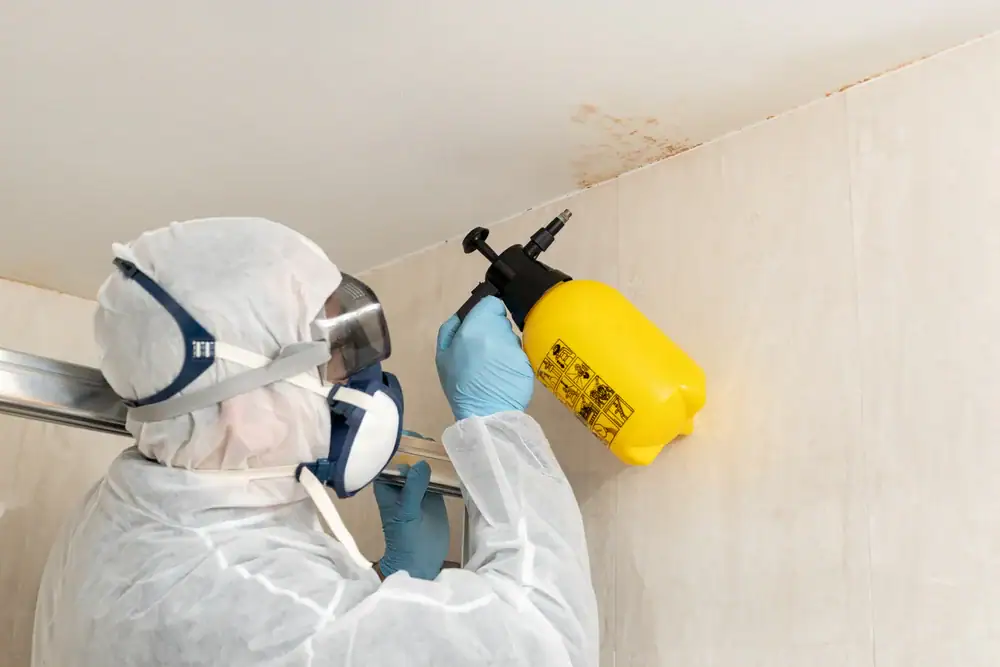
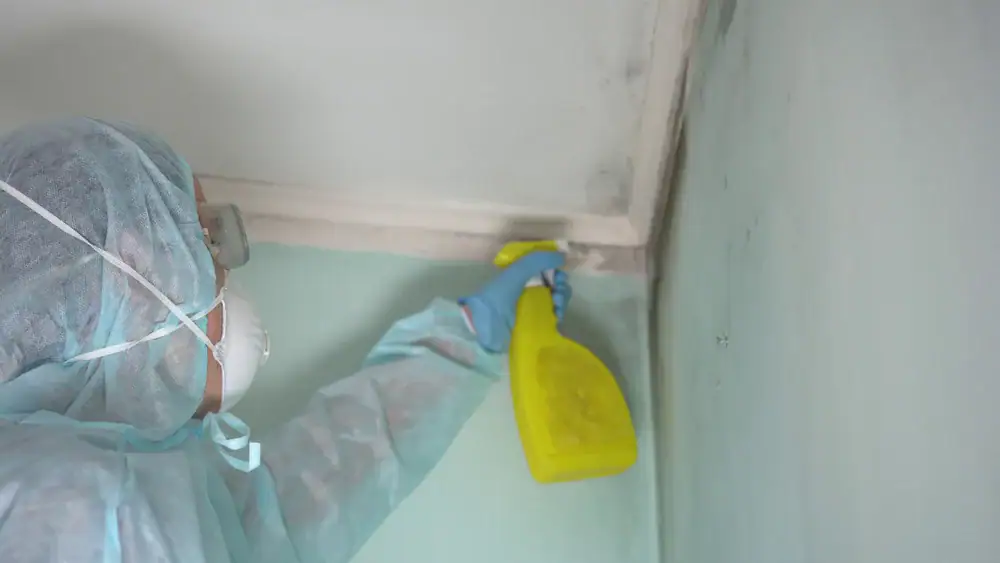
Next comes containment and removal. We set up barriers to prevent spores from spreading to clean areas, then systematically remove contaminated materials and treat affected surfaces. We use HEPA filtration and specialized cleaning agents that eliminate mold at the source.
Finally, we address the moisture problem that allowed mold to grow. This might mean fixing leaks, improving ventilation, or installing dehumidification systems. Without this step, you’re just waiting for the problem to return. We make sure your home stays dry and protected, especially during Wisconsin’s challenging weather seasons.
Ready to get started?
Your mold removal service includes comprehensive moisture detection, complete spore removal, air quality testing, and preventive measures designed specifically for Greendale’s climate challenges. We handle everything from initial assessment through final clearance testing.
In Greendale, we see specific patterns based on our local conditions. Summer humidity often creates problems in basements and crawl spaces, while winter ice dams can lead to attic mold issues. Spring snowmelt frequently causes moisture intrusion through foundation cracks. We know these patterns and address the root causes, not just the symptoms.
You’ll also get detailed documentation for insurance purposes, recommendations for preventing future growth, and ongoing support if questions come up later. We work directly with your insurance company to streamline the claims process and ensure you get the coverage you deserve for proper remediation.
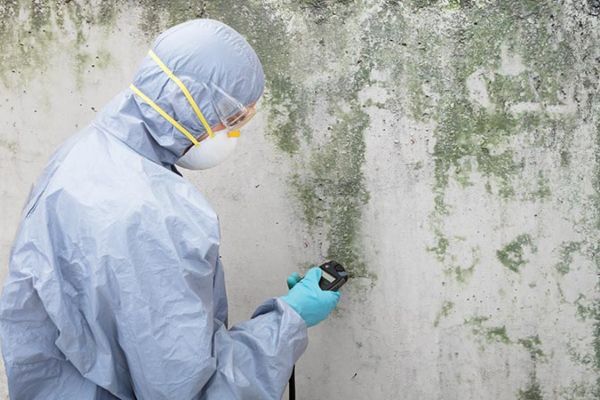
Mold can begin growing within 24 to 48 hours after water exposure, and Wisconsin’s climate makes this timeline even more critical. During our humid summer months, when indoor humidity can spike above 60%, mold development accelerates significantly.
The combination of warm temperatures and high moisture levels creates ideal conditions for rapid spore germination and colony growth. This is why immediate response is so important—waiting even a few days can turn a manageable water issue into a major mold remediation project.
We provide 24/7 emergency response specifically because of this tight timeline. The sooner we can extract moisture and begin the drying process, the better chance we have of preventing mold growth entirely.
Mold exposure can cause a range of health issues, from minor irritation to more serious respiratory problems. Common symptoms include nasal stuffiness, eye irritation, coughing, sneezing, and in some cases, worsening of asthma symptoms.
Children, elderly family members, and anyone with existing respiratory conditions or weakened immune systems are particularly vulnerable to mold-related health effects. Some people are simply more sensitive than others and may experience symptoms even with relatively low exposure levels.
While Wisconsin health authorities note that residential mold exposure hasn’t been definitively linked to severe health effects, the irritation and discomfort are real concerns. The best approach is prevention and prompt remediation when problems occur—keeping your indoor environment clean and dry protects everyone in your household.
Mold remediation costs typically range from $1,100 to $3,300, with most projects averaging around $2,200. The final price depends on the extent of contamination, the type of materials affected, and whether structural repairs are needed.
Several factors influence the cost: the size of the affected area, how long the mold has been growing, what types of materials need to be removed, and whether there are underlying moisture issues that require repair. Basement mold from foundation leaks will cost differently than attic mold from roof problems.
We provide detailed estimates that break down all costs upfront—no surprises or hidden fees. Many homeowners’ insurance policies cover mold remediation when it results from a covered water damage event, and we help navigate those claims to maximize your coverage.
If you can see or smell mold, testing usually isn’t necessary—you have a mold problem that needs addressing. Wisconsin health authorities don’t recommend routine mold testing because there are no established safety thresholds for mold exposure levels.
Testing can be expensive and time-consuming without providing actionable information. The important questions are: where is the mold growing, what’s causing the moisture problem, and how do we fix both issues? A professional assessment focuses on these practical solutions rather than laboratory analysis.
However, testing might be valuable in specific situations—if you’re experiencing health symptoms but can’t locate visible mold, or if you need documentation for insurance or legal purposes. We can help you determine whether testing makes sense for your particular situation.
Wisconsin’s climate creates several mold-friendly conditions throughout the year. Summer humidity levels often reach 86% in the morning, well above the 60% threshold where mold thrives. Our seasonal temperature swings also create condensation problems when warm, moist air meets cooler surfaces.
Winter brings its own challenges—ice dams from freeze-thaw cycles can cause water intrusion, while heating systems can create humidity imbalances. Spring snowmelt often overwhelms drainage systems and seeps through foundation cracks, creating perfect basement conditions for mold growth.
Older Wisconsin homes may lack proper vapor barriers or ventilation systems designed for our climate. Poor attic ventilation, inadequate basement waterproofing, and outdated HVAC systems compound these natural moisture challenges. Understanding these local factors helps us design more effective long-term solutions for each property.
Successful mold prevention focuses on moisture control, which is especially critical in Wisconsin’s variable climate. We identify and fix all water sources—leaks, poor drainage, inadequate ventilation—that allowed mold to grow initially. Without addressing these root causes, mold will return.
We often recommend humidity monitoring and control systems, particularly for basements and crawl spaces that tend to stay damp. Dehumidifiers, improved ventilation, and sometimes waterproofing upgrades help maintain optimal moisture levels year-round.
Regular maintenance becomes crucial after remediation. This includes monitoring humidity levels, promptly fixing any new leaks, ensuring proper ventilation in bathrooms and kitchens, and having periodic inspections during high-risk seasons. We provide specific maintenance recommendations based on your home’s unique conditions and our local climate patterns.
Other Services we provide in Greendale