
Summary:
What to Do Immediately After Storm Damage
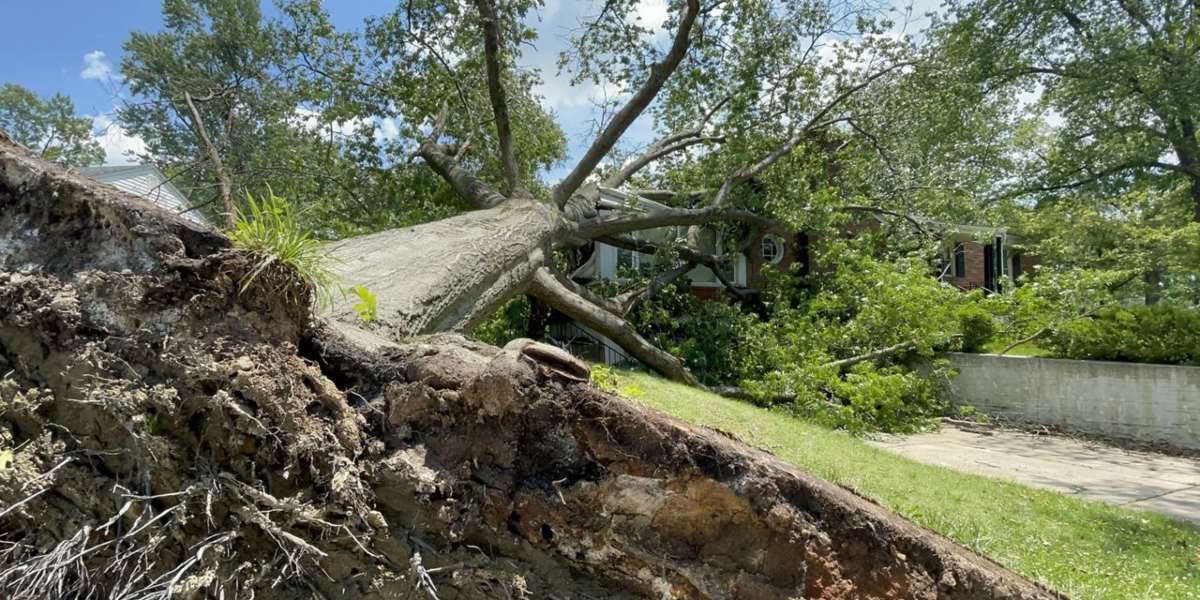
The first 24 hours after a storm determine how smooth your insurance claim will go. Your insurance company expects you to act fast, and Wisconsin law backs that up.
Start by making sure everyone is safe. Then grab your phone and start documenting. Take photos and videos of every damaged area—your roof, siding, windows, gutters, interior water damage, anything the storm touched. Get wide shots that show the full scope and close-ups that capture specific damage like missing shingles or cracked siding.
Next, do what you can to prevent further damage. If your roof is compromised, water will keep pouring in until you cover it. That’s where emergency roof tarping comes in. Temporary protection stops additional damage and shows your insurance company you took reasonable steps to protect the property. Just don’t make permanent repairs yet. Your adjuster needs to see the damage before you fix it.
How to Document Storm Damage for Your Insurance Claim
Insurance companies run on documentation. If you can’t prove the damage happened and prove how bad it was, your claim gets harder to win.
Walk through your property with your phone and take photos from multiple angles. Capture the damage in context—show the whole room or the entire side of your house—then zoom in on the details. If a tree branch punched through your roof, photograph the branch, the hole it made, the damaged shingles around it, and any water stains on your ceiling below. Date stamps matter, so don’t wait days to do this.
Write down what you see as you go. Note the time, the weather conditions, and a brief description of each damaged area. If you had to move furniture away from a leak or cover belongings with tarps, document that too. These notes create a timeline that backs up your story when the adjuster asks questions.
Save every receipt. If you bought tarps, plywood, or anything else to protect your home, those costs may be reimbursable. Keep a file—digital or physical—where you store all your photos, notes, receipts, and any communication with your insurance company. You’ll reference it more than once.
Wisconsin homeowners often make the mistake of thinking a few quick snapshots are enough. They’re not. The more thorough you are now, the less room there is for your insurance company to dispute your claim later. Insufficient evidence is one of the top reasons claims get reduced or denied.
If the damage is significant—like a compromised roof, major water intrusion, or structural issues—consider bringing in a professional to assess it. A storm damage restoration company can provide a detailed report that carries weight with insurance adjusters. We know what adjusters look for and can identify damage you might miss on your own.
When to Call Your Insurance Company After a Storm
Call your insurance company as soon as you’ve documented the damage and made temporary repairs to prevent further loss. Don’t wait days or weeks. Wisconsin insurance policies require you to report claims “promptly,” and while that term isn’t precisely defined, waiting too long raises red flags.
When you call, you’ll report the loss and start the official claims process. The insurance company will assign you a claim number and a claims adjuster. Write both down. The adjuster becomes your main point of contact, so keep their name and contact information handy.
Be clear and factual when you describe what happened. Stick to the facts—when the storm hit, what kind of damage occurred, and what steps you’ve already taken. Don’t exaggerate, but don’t downplay it either. If you’re not sure about something, say so. Guessing or giving incorrect information can complicate things later.
After that initial call, follow up in writing. Send an email summarizing the conversation, including the claim number, the adjuster’s name, and the date you reported the loss. This creates a paper trail. If there’s ever a dispute about timing or what was said, you’ll have proof.
One thing homeowners often overlook: your insurance company must acknowledge your claim within 10 days in Wisconsin. If they don’t, that’s a problem. They’re also required to investigate your claim with “reasonable dispatch” and pay it within 30 days unless they have legitimate proof they’re not responsible for the damage. Knowing these deadlines gives you leverage if your claim stalls.
Keep a journal. Every time you talk to your adjuster, a contractor, or anyone else involved in your claim, jot down the date, time, and what was discussed. If your adjuster says they’ll send paperwork or schedule an inspection, note it. These details matter when you need to follow up or escalate an issue.
Don’t assume everything will go smoothly just because you filed a claim. Insurance companies sometimes delay, ask for unnecessary paperwork, or offer settlements that don’t cover the full cost of repairs. Staying organized and proactive keeps your claim moving forward.
Understanding Your Storm Damage Insurance Coverage
Not all storm damage is covered the same way, and not all insurance policies are created equal. Before you get too deep into the claims process, you need to know what your policy actually covers.
Most standard homeowners insurance policies in Wisconsin cover wind damage, hail damage, and damage from falling objects like tree branches. If a windstorm tears shingles off your roof or hail cracks your siding, your policy typically helps pay for repairs. If rain comes through a storm-damaged window or roof, that water damage is usually covered too.
But here’s where it gets tricky: flooding is not covered under standard homeowners insurance. If water comes over the ground and into your home—like from heavy rain overwhelming drainage systems—you need separate flood insurance to cover that. Many Greendale and Milwaukee County homeowners don’t realize this until it’s too late.
What Insurance Adjusters Look for During Storm Damage Claims
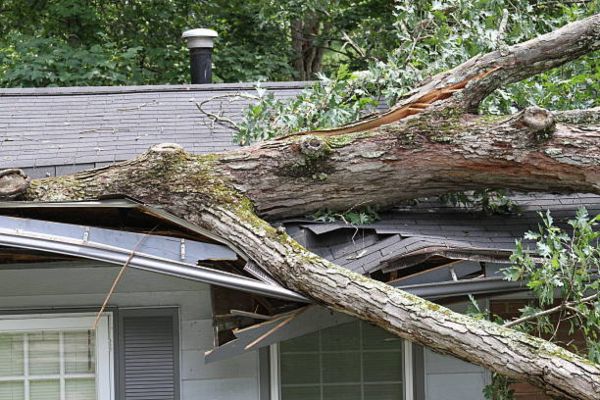
Your insurance adjuster’s job is to assess the damage, determine what’s covered under your policy, and calculate how much the insurance company will pay. They’re not your enemy, but they also don’t work for you—they work for the insurance company.
When the adjuster visits your property, they’ll inspect the damage you reported and look for anything you might have missed. They’ll take their own photos, measurements, and notes. They’ll ask questions about when the storm happened, what you noticed first, and what steps you’ve taken since. Answer honestly and stick to the facts.
One thing adjusters pay close attention to is whether the damage was caused by the storm or by something else. If your roof was already in rough shape before the storm, they might argue that the damage was due to wear and tear, not the storm itself. That’s why documentation matters. Photos showing the condition of your roof before and after the storm can make or break your claim.
Adjusters also verify that you took reasonable steps to prevent further damage. If you didn’t tarp your roof and water kept pouring in for days, they might reduce your payout for the additional water damage. Temporary repairs like emergency roof tarping show you acted responsibly.
During the inspection, walk through the property with the adjuster. Point out every area of concern. If there’s water damage in the attic, show them. If the siding is dented from hail, make sure they see it. Don’t assume they’ll catch everything on their own.
After the inspection, the adjuster will submit a report to your insurance company. That report determines your settlement offer—the amount they’re willing to pay for repairs or replacement. Review that offer carefully. It might not cover everything, and you have the right to question it.
If the settlement seems low, don’t just accept it. You can ask for a reinspection, provide additional documentation, or bring in a contractor to give you an independent estimate. Sometimes adjusters miss damage or underestimate repair costs. Pushing back is part of the process.
Common Mistakes That Lead to Storm Damage Claim Denials
Filing a storm damage insurance claim isn’t complicated, but small mistakes can cost you thousands of dollars or get your claim denied entirely. Here’s what to avoid.
First, don’t wait too long to file. Late filing is one of the most common reasons Wisconsin homeowners see their claims denied. Insurance companies expect prompt reporting, and delays make them suspicious. Even if you’re busy with cleanup or think the damage is minor, report it as soon as possible.
Second, don’t skip the documentation. A few blurry photos won’t cut it. Insurance companies need clear, comprehensive evidence of the damage. If you can’t prove the extent of the damage, they’ll lowball your settlement or deny the claim outright.
Third, don’t make permanent repairs before the adjuster sees the damage. Yes, you should take temporary steps like tarping your roof or boarding up broken windows. But if you replace your entire roof before the adjuster inspects it, you’ve eliminated the evidence they need to approve your claim.
Fourth, don’t throw out damaged items too quickly. Your adjuster may need to see them to verify your claim. If you’ve already hauled everything to the curb, you’ve made their job harder and your claim weaker.
Fifth, don’t rely on verbal communication alone. Every conversation with your insurance company should be followed up in writing. If your adjuster promises something over the phone, send an email confirming what was said. If there’s ever a dispute, written records protect you.
Sixth, don’t assume your policy covers everything. Read your policy before you file a claim. Understand your coverage limits, your deductible, and any exclusions. If you’re not sure what’s covered, ask your agent or call your insurance company directly.
Finally, don’t ignore the deadlines. Wisconsin law gives insurance companies 30 days to pay your claim unless they have proof they’re not responsible. If your claim drags on for months without explanation, that’s a red flag. Follow up regularly and don’t let your claim sit idle.
Getting Help with Your Storm Damage Claim in Greendale, WI
Storm damage is stressful. Filing an insurance claim on top of that can feel overwhelming, especially when you’re dealing with adjusters, paperwork, and deadlines you didn’t know existed.
You don’t have to figure it out alone. Working with a storm damage restoration company that understands the insurance claims process can make a real difference. We know what adjusters look for, how to document damage properly, and how to communicate with insurance companies in a way that gets results. We can handle the emergency mitigation—like roof tarping and water extraction—while you focus on getting your life back to normal.
If you’re in Greendale, WI or anywhere in Milwaukee County, WI and you’re dealing with storm damage, Flood Guys Restoration is here to help. We work with homeowners through the entire process, from initial damage assessment to final restoration, and we know how to navigate insurance claims so you get the coverage you’re entitled to.