
Summary:
What High-Volume Water Removal Actually Means
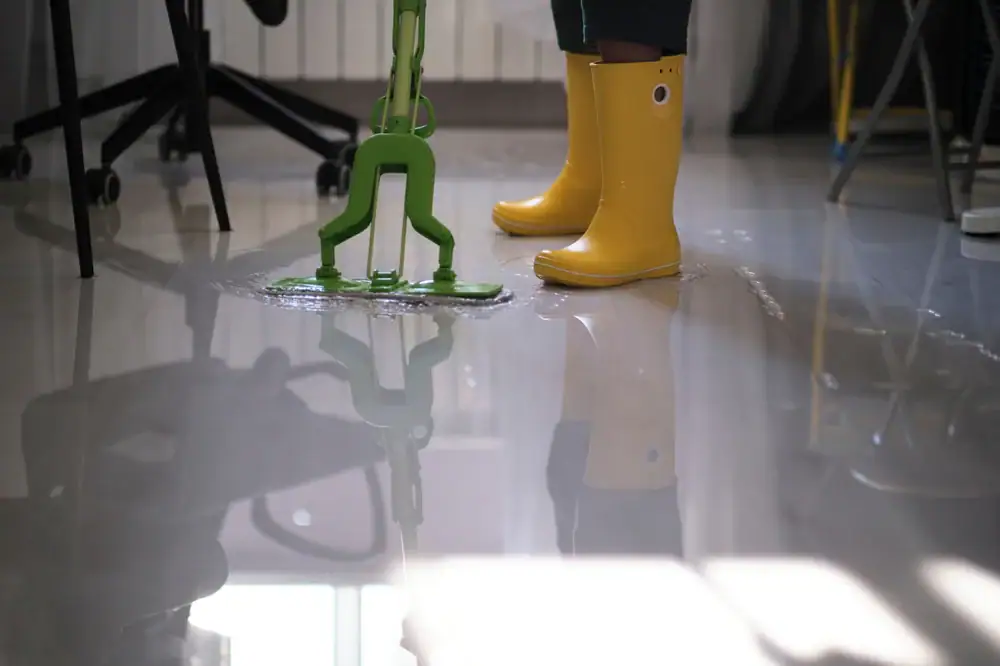
High-volume water removal is exactly what it sounds like: extracting large quantities of standing water quickly using industrial equipment designed for serious flooding. We’re talking about basements with several inches to several feet of water—situations where a wet-dry vacuum would take days and still leave moisture trapped in places you can’t reach.
The difference between standard cleanup and high-volume extraction comes down to capacity and speed. Professional systems can pull 60 gallons per minute or more. That’s 3,600 gallons in an hour. When you’re standing in a flooded basement in Greendale, WI, that kind of capacity matters.
But speed alone doesn’t tell the whole story. Proper water removal also means knowing how fast to extract without creating new problems, where hidden water likes to hide, and what needs to happen after the visible water is gone.
How Emergency Water Extraction Equipment Works
Walk into a flooded basement with professional water removal equipment and you’ll see a different setup than what most people picture. The main workhorses are truck-mounted extractors and submersible pumps—both designed to handle clean water, gray water, or even contaminated floodwater depending on the situation.
Truck-mounted extraction systems sit outside your property with hoses running to the affected area. These units combine serious pumping power with filtration, pulling water out and discharging it away from your foundation. They’re loud, they’re powerful, and they work fast. For basements with multiple rooms or large square footage, this is often the most efficient approach.
Submersible pumps go directly into the deepest water. They’re built to sit underwater and pump continuously until the standing water is gone. Depending on the pump’s capacity, you might use one or several at different locations to speed up the process.
But here’s what most people don’t realize: getting the standing water out is only the first step. Once you can see your basement floor again, there’s still water you can’t see. It’s in your drywall. It’s under your flooring. It’s soaked into wooden studs and insulation. That’s where the second phase comes in.
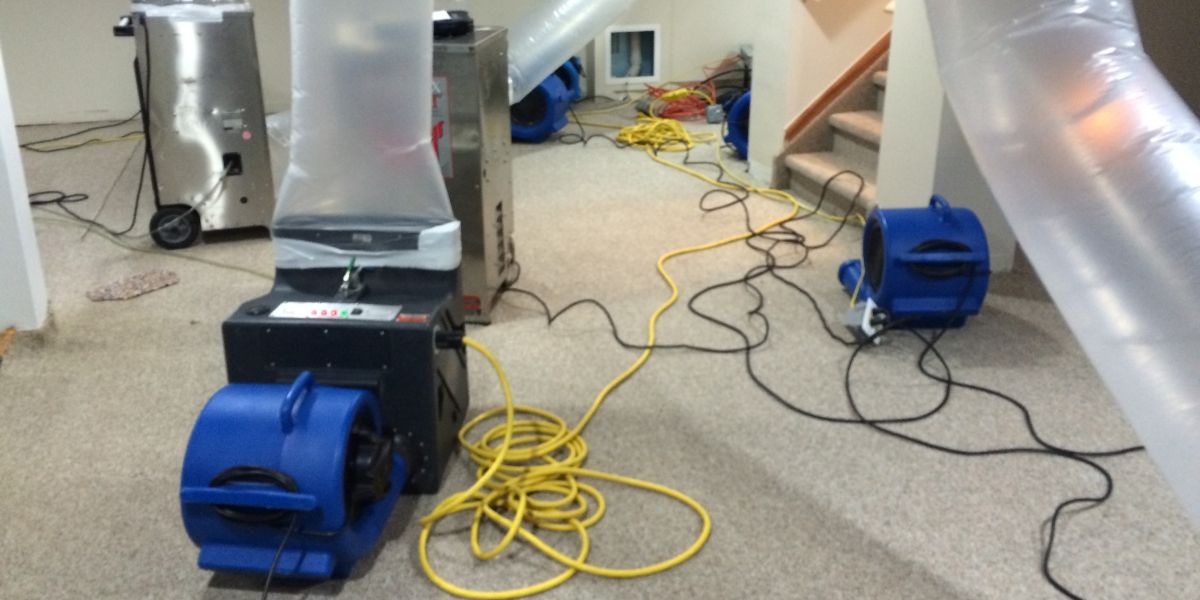
After extraction, portable extractors go to work on carpets, padding, and other porous materials. These are essentially heavy-duty wet vacuums on steroids, designed to pull moisture out of materials that absorbed water during the flood. Then come the air movers and dehumidifiers—industrial fans and moisture-removal units that create airflow and drop humidity levels to pull moisture out of everything the pumps couldn’t reach.
The entire process is strategic. You’re not just removing water. You’re creating conditions where hidden moisture has nowhere to hide and no chance to cause secondary damage.
Why Milwaukee County Basements Flood So Often
If you live in Greendale, WI, Milwaukee, or anywhere in Milwaukee County, WI, you already know basement flooding isn’t some rare event. It happens. And it happens more here than in a lot of other places.
Milwaukee County’s flooding problem comes down to a few factors that all work against us. First, we get heavy rain—and when it rains here, it really rains. Spring storms can dump inches in a matter of hours. Summer thunderstorms stall over the area and just keep going. And in August 2025, the region saw over 14 inches in less than 24 hours. That’s not normal rain. That’s the kind of downpour that overwhelms everything.
Then there’s the infrastructure. Milwaukee’s sewer systems are old. Many were built decades ago when the area was less developed and rainfall patterns were different. When a major storm hits, those systems can’t keep up. Water backs up. It has to go somewhere. And that somewhere is often your basement.
Greendale, WI sits near the Root River and its tributaries, which means you’re dealing with both stormwater runoff and potential river flooding during heavy rains or spring snowmelt. Combine that with the natural slope of the land, and water flows downhill—right toward the lowest point of your home.
Sump pumps help, but they’re not foolproof. Power outages during storms knock them offline. Mechanical failures happen at the worst possible time. And even a working sump pump can get overwhelmed when water is coming in faster than it can pump out.
The result? Basements across Milwaukee County flood regularly. Some homes that went 50 years without a drop of water suddenly have three feet of standing water. It’s not because homeowners did something wrong. It’s because the volume and intensity of rain in this region can exceed what any residential drainage system was designed to handle.
That’s the reality. And that’s why having a plan for fast, professional water removal in Greendale, WI and throughout Milwaukee County matters.
The Water Removal Process for Flooded Basements
When you call for emergency water extraction, you’re not just getting someone to show up with a pump. You’re getting a process—one that’s designed to handle the visible water, the hidden water, and everything that happens after the water is gone.
It starts with assessment. Before any equipment gets turned on, we need to understand what we’re dealing with. How much water is there? How long has it been standing? What’s the source—clean water from a broken pipe, gray water from an appliance, or contaminated floodwater? Is the power off? Are there safety hazards?
That assessment shapes everything that comes next. You can’t use the same approach for every flood.
Standing Water Cleanup and Extraction Steps
Once the assessment is done, extraction begins. This is where the heavy equipment comes in—truck-mounted systems, submersible pumps, or both, depending on the situation.
The goal at this stage is simple: get the standing water out as fast as safely possible. Fast matters because every hour that water sits, it’s soaking deeper into porous materials. But “safely” matters too. If you’re dealing with a flooded basement that’s been underwater for a while, you can’t just drain it all at once. Rapid extraction can create pressure imbalances between the water-saturated soil outside your foundation and the suddenly empty space inside. That pressure difference can cause foundation walls to crack, shift, or even collapse inward.
So the process is controlled. Water gets removed in stages if needed, giving the surrounding soil time to adjust. For most residential floods in Milwaukee County, WI, this isn’t a major concern—but it’s something we watch for, especially in older homes with stone or brick foundations.
As the standing water drops, we adjust pump placement to keep extraction efficient. Water likes to pool in corners, around obstacles, and in low spots. Pumps get repositioned to chase those last pockets of standing water until the basement floor is visible again.
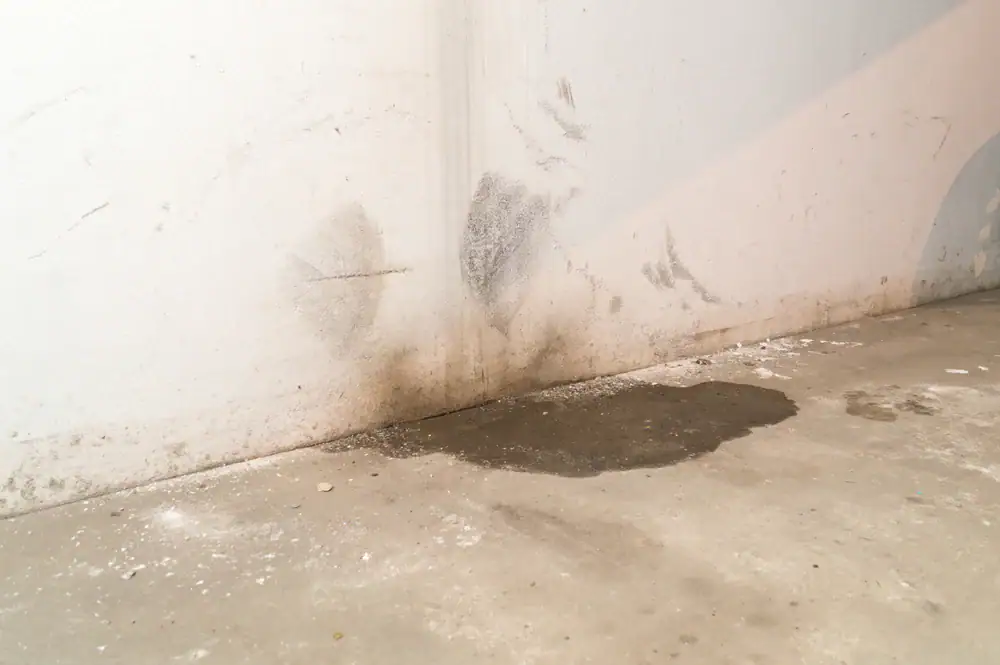
But here’s the thing: once you can see the floor, you’re not done. Not even close. The floor might look dry, but there’s moisture everywhere you can’t see. Drywall has wicked water up from the baseboard. Carpet padding is soaked through. Wooden framing members are damp. Insulation in the walls is holding water like a sponge.
That’s when extraction shifts to the next phase: removing moisture from materials. Portable extractors go to work on carpets and upholstery. In some cases, carpet padding gets removed entirely because it’s nearly impossible to dry thoroughly and becomes a breeding ground for mold. Baseboards might come off to allow airflow behind walls.
This phase is less dramatic than watching thousands of gallons get pumped out, but it’s just as important. Miss this step or rush through it, and you’re setting yourself up for mold, rot, and odors that show up weeks later.
Professional Water Drying and Dehumidification
After extraction comes drying—and this is where a lot of DIY attempts fall short. You can rent a dehumidifier from a hardware store, sure. But one residential dehumidifier in a 1,200-square-foot basement that just had two feet of water isn’t going to cut it.
Professional water drying uses industrial-grade equipment designed to move massive amounts of air and pull moisture out of the environment fast. Air movers—high-velocity fans—get positioned throughout the space to create airflow across wet surfaces. They’re loud, but they work. The goal is to keep air moving constantly so moisture evaporates from materials and gets carried into the air.
Then dehumidifiers pull that moisture out of the air. These aren’t the small units you see in bedrooms. Commercial dehumidifiers can remove 10, 20, even 30 gallons of water from the air per day. They run continuously, cycling humid air through refrigeration coils or desiccant materials that extract moisture and discharge dry air back into the space.
We monitor the process with moisture meters and hygrometers. We check moisture levels in walls, floors, and structural materials to track drying progress. The equipment stays in place until readings confirm that moisture levels are back to normal—usually several days, sometimes longer depending on the extent of the flooding and the materials involved.
This is the part that prevents mold. Mold spores are everywhere. They’re in the air right now. But they only become a problem when they land on damp surfaces and start growing. That process starts within 24 to 48 hours after water damage. So the clock is ticking from the moment your basement floods.
Proper drying doesn’t just make things feel dry to the touch. It brings moisture levels down low enough that mold can’t take hold. It prevents wood rot. It stops metal components like furnace ducts and electrical boxes from corroding. And it protects your home’s structural integrity.
You can’t see this work happening the way you can see water being pumped out. But it’s happening. And it’s what separates a basement that recovers fully from one that becomes a long-term problem.
Getting Your Basement Back After a Flood
Flooding hits hard and fast. One storm, one failed sump pump, one burst pipe—and suddenly you’re dealing with a basement full of water and a timeline that’s working against you.
High-volume water removal is the first line of defense. It stops the damage from spreading, pulls out the standing water before it soaks deeper, and creates the conditions for everything else to dry properly. But it only works if it happens fast and if it’s done right.
The difference between a basement that recovers and one that turns into a months-long nightmare of mold, odors, and structural issues often comes down to those first 24 to 48 hours. That’s when professional equipment, experience with Milwaukee County’s specific flooding challenges, and a systematic approach to extraction and drying make all the difference.
If you’re dealing with a flooded basement in Greendale, WI, Milwaukee County, WI, or anywhere nearby, we’re available 24/7 to respond. We handle the water removal process from start to finish—extraction, drying, and everything in between—so you can get your space back.