
Summary:
How Storm Damage Progresses From Roof to Ceiling
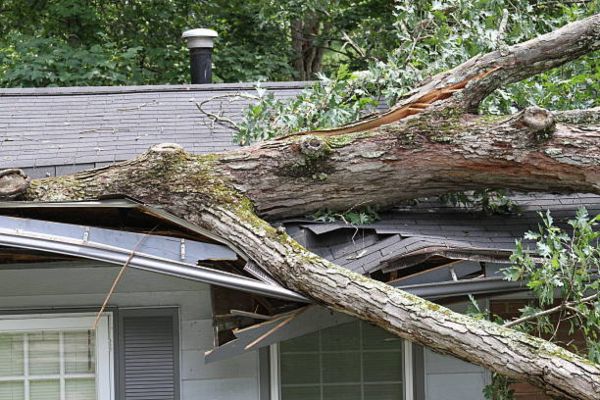
Most people picture storm damage as dramatic—missing shingles, gaping holes, obvious destruction. Reality looks different. A single lifted shingle during high winds creates a small entry point. Heavy rain finds it. Water seeps under the roofing material, saturates the underlayment, and begins its slow migration downward.
You won’t see it happening. The water moves through your attic insulation, which acts like a sponge, holding moisture against wood framing. By the time discoloration appears on your ceiling, gallons of water have already compromised the layers above. That brown stain isn’t the beginning of your problem—it’s your home finally showing you damage that started days ago. The progression accelerates in Milwaukee’s humid climate, where moisture doesn’t evaporate quickly and mold spores find perfect growing conditions within 24 to 48 hours.
What Roof Leak Water Damage Actually Looks Like Inside Your Home
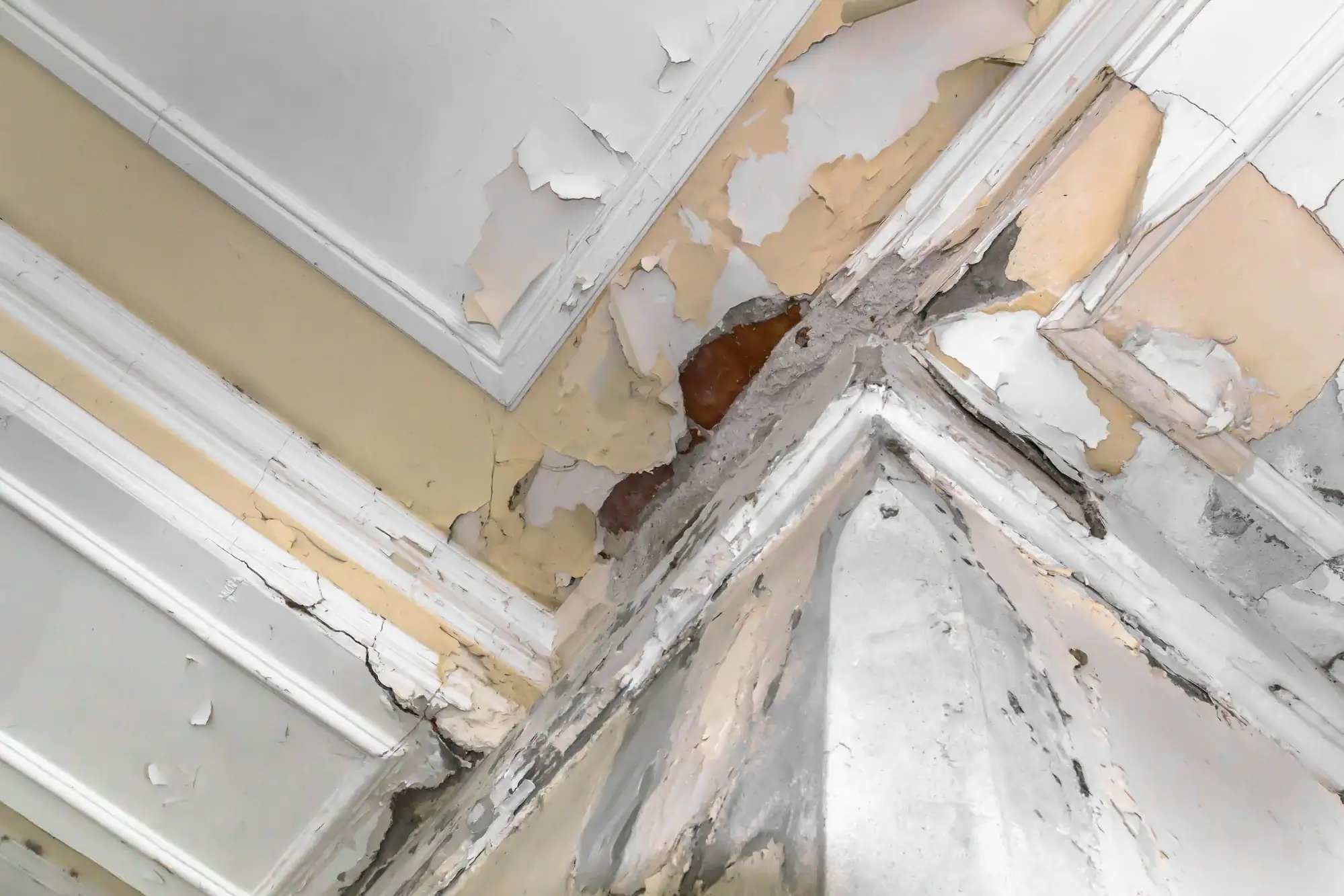
The ceiling stain is obvious. But storm damage reveals itself in subtler ways before water starts dripping into your living space. You might notice a musty smell in certain rooms—that’s moisture trapped in building materials creating the perfect environment for mold growth. Paint or wallpaper near the ceiling line might start bubbling or peeling as water pushes through from behind.
Check your attic if you can access it safely. Look for dark streaks on rafters, wet insulation, or water stains on the underside of your roof decking. These signs tell you water has been entering for a while. Wet insulation loses its effectiveness immediately and needs replacement, not just drying. The wood framing, when repeatedly exposed to moisture, begins to soften and lose structural integrity.
In Greendale and throughout Milwaukee County, we see this pattern constantly after severe weather. Homeowners focus on the visible ceiling damage and miss the larger problem brewing in spaces they can’t see. The water that caused that ceiling stain didn’t just appear there. It traveled through multiple layers of your home’s structure, potentially causing damage at every stop. That’s why our storm restoration process starts with comprehensive moisture detection, not just repairing what’s visible. We use thermal imaging cameras to reveal moisture hidden inside walls and ceilings, showing the true extent of water intrusion that needs addressing.
Temperature changes make this worse. During Wisconsin’s dramatic weather swings, warm air meeting cold surfaces creates condensation. Storm-damaged areas that seem to dry out can harbor moisture in hidden pockets, creating ongoing problems. You might patch the ceiling and think you’re done, only to discover mold growth months later because moisture remained trapped in the wall cavity. This is where emergency storm cleanup becomes critical—not just removing visible water, but ensuring complete drying of all affected materials before secondary damage takes hold.
The 48-Hour Window: Why Speed Matters With Storm Damage
You have roughly two days from the moment water enters your home until mold begins colonizing wet materials. That timeline isn’t negotiable. Mold spores exist everywhere, dormant and waiting for the right conditions. Storm damage creates those conditions instantly—moisture, organic material like wood and drywall, and the dark, undisturbed spaces inside your walls.
Here’s what happens in that 48-hour window. Hour one through twelve: water continues spreading through porous materials, following gravity and capillary action. Your ceiling might not show staining yet, but saturation is occurring. Hour twelve through twenty-four: building materials reach maximum absorption. Wood swells, drywall begins breaking down, and the moisture content in your attic or wall cavities creates ideal humidity levels for microbial growth. Hour twenty-four through forty-eight: if materials remain wet, mold spores activate and begin reproducing. Once established, mold becomes a separate remediation project requiring specialized treatment.
This is why we emphasize immediate response. Every hour of delay expands the damage footprint and increases restoration costs. That ceiling stain you’re watching? It’s growing because water is still moving through your home’s structure. Putting a bucket under a drip doesn’t stop the migration happening inside your walls.
Milwaukee County’s weather patterns make this timeline even more critical. High humidity means materials don’t air-dry effectively. A roof leak that might dry out naturally in Arizona’s desert climate stays wet in Wisconsin’s moisture-rich environment. Professional water extraction and structural drying equipment becomes necessary, not optional. Industrial dehumidifiers, air movers, and moisture meters ensure complete drying happens in days instead of weeks—and happens before mold takes hold.
The structural implications matter too. Water-damaged ceiling drywall loses strength. What starts as a stain can progress to sagging, and eventually collapse if the material becomes saturated enough. We’ve responded to situations where homeowners delayed addressing storm damage, only to have sections of ceiling come down unexpectedly. At that point, you’re dealing with emergency repairs, potential injury risks, and significantly higher restoration costs than if you’d acted within that initial 48-hour window.
Complete Storm Damage Restoration: Roof to Ceiling Repair
Effective storm restoration treats the entire damage path, not individual symptoms. A roof leak and ceiling water damage aren’t separate problems requiring different contractors. They’re connected stages of the same event, and addressing them in isolation leaves vulnerabilities.
Our restoration process starts with stopping active water intrusion. If your roof has storm damage, emergency tarping creates a temporary weather-tight barrier while permanent repairs are planned. This prevents additional water from entering during the next rain. Simultaneously, interior assessment begins—locating all areas where water has traveled, measuring moisture content in building materials, and determining what can be dried versus what requires replacement. This coordinated approach means your roof gets secured while interior drying starts immediately, maximizing that critical 48-hour window.
Emergency Storm Cleanup: What Happens in the First 24 Hours
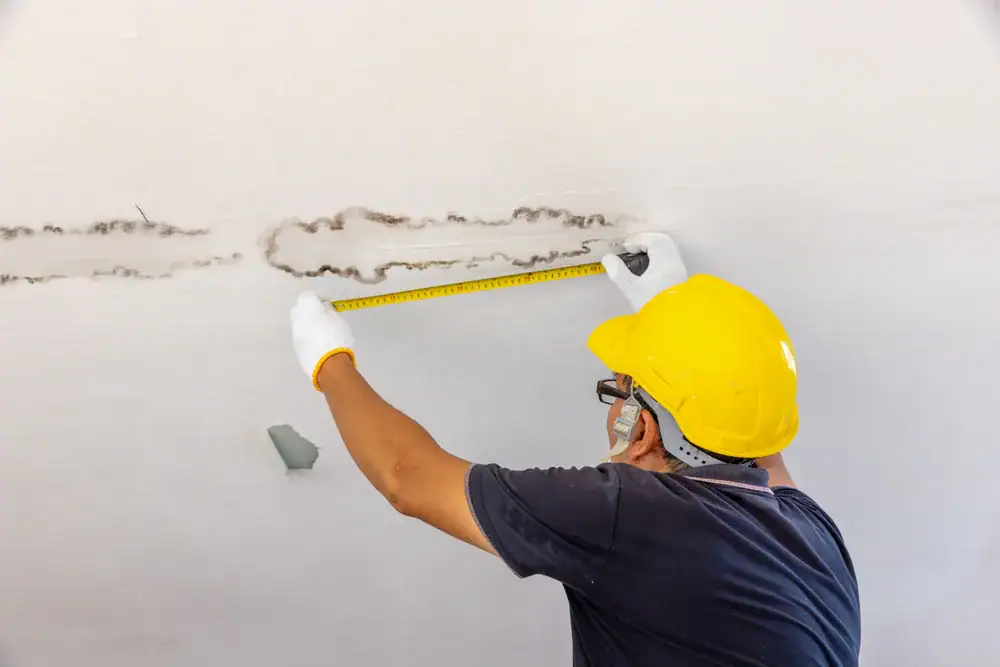
The first day after storm damage determines everything that follows. Our emergency storm cleanup begins with a thorough assessment using moisture detection equipment that reveals problems invisible to the naked eye. Thermal imaging shows temperature differentials indicating wet insulation. Moisture meters measure the water content percentage in drywall, wood framing, and subflooring. This diagnostic phase typically takes one to two hours and creates a complete picture of the damage.
Water extraction starts immediately for any standing water or heavily saturated materials. Truck-mounted or portable extraction units remove water far more effectively than household wet-dry vacuums. For ceiling water damage, this might mean controlled removal of water trapped above the drywall before it has a chance to spread further or cause collapse. The goal is removing as much water as possible through extraction rather than evaporation, because extracted water leaves your home instead of increasing humidity levels.
We position air movement and dehumidification equipment strategically based on the moisture mapping completed during assessment. High-velocity air movers create airflow across wet surfaces, accelerating evaporation. Commercial dehumidifiers pull moisture from the air, preventing it from being reabsorbed by other materials. This equipment runs continuously, often for three to five days, with our technicians returning daily to monitor progress and adjust positioning as needed.
In Greendale and throughout Milwaukee County, weather doesn’t pause for restoration work. If storms are forecast to continue, protecting your home from additional water intrusion becomes paramount. This is where our roof tarping services prove essential—creating a temporary waterproof barrier over damaged areas so interior drying can proceed without new water entering. We use heavy-duty materials properly secured to withstand wind, not the hardware store tarps that often blow off in the next storm.
Documentation happens throughout this process. Photos of damage, moisture readings, and detailed notes about affected areas serve multiple purposes. They guide the restoration work, track drying progress, and provide the evidence your insurance company needs to process your claim. Most homeowners don’t think about documentation while standing in their flooded living room, but thorough records make the difference between smooth claim approval and months of back-and-forth with adjusters.
Ceiling Water Repair and Interior Restoration Process
Once structural drying is complete—confirmed by moisture readings showing materials have returned to normal levels—interior restoration begins. Ceiling water repair isn’t just patching holes and repainting. It requires addressing the underlying damage to ensure long-term stability and prevent future problems.
Water-damaged drywall often needs replacement rather than repair. Drywall is essentially compressed gypsum between paper layers. When water saturates it, the gypsum breaks down and the paper wicks moisture. Even after drying, the material has lost structural integrity and becomes prone to mold growth. Our restoration process involves cutting out damaged sections, treating the exposed framing with antimicrobial solutions, and installing new drywall properly sealed and finished to match existing textures.
Insulation removal and replacement frequently accompanies ceiling repair. Wet insulation compresses, losing its insulating properties permanently. It also holds moisture against wood framing, creating ongoing problems even after the visible ceiling is repaired. Removing compromised insulation allows inspection of the roof decking and framing from below, often revealing damage that wasn’t apparent during initial assessment. New insulation goes in only after confirming all structural elements are dry and sound.
Paint and finishing work comes last, but it’s not purely cosmetic. Proper priming of repaired areas prevents staining from bleeding through new paint. Matching existing ceiling textures requires skill—poorly matched repairs stand out permanently. Quality restoration leaves no visible evidence that damage occurred, maintaining your home’s value and appearance.
The roof repair happens in parallel with interior work. Storm damage to roofing might involve replacing damaged shingles, repairing or replacing flashing around vents and chimneys, or addressing underlayment that was compromised. In severe cases, sections of roof decking need replacement if water damage caused rot or structural weakness. Coordinating exterior and interior work prevents the common scenario where you get your ceiling fixed but the roof still leaks, or vice versa.
Hail damage restoration adds another layer of complexity. Hail impact can fracture shingles without creating obvious holes, but those fractures allow water intrusion during subsequent rains. A thorough post-storm roof inspection identifies this damage before it causes interior problems. Many homeowners don’t realize their roof sustained hail damage until they notice ceiling stains weeks or months later, by which point the damage has spread significantly. Our storm damage assessment catches these issues early.
Protecting Your Greendale Home From Complete Storm Damage
Storm damage in Milwaukee County isn’t a question of if, but when. The volatile weather patterns that define Wisconsin life mean your roof will eventually face high winds, driving rain, or hail. When that happens, understanding the progression from roof breach to interior damage helps you act quickly enough to prevent the worst outcomes.
The difference between minor repairs and major restoration often comes down to response time. That 48-hour window before mold colonizes wet materials is real. The progression from roof leak to ceiling collapse happens faster than most homeowners expect. Professional storm restoration exists because these situations require immediate, coordinated action that addresses both the entry point and all downstream effects.
You don’t need to become an expert in moisture detection, structural drying, or insurance claim documentation. You need to know who to call when you spot that first ceiling stain or notice water dripping after a storm. We handle the complete cycle—from emergency roof tarping during active weather to final interior repairs that restore your home to pre-loss condition. When Milwaukee’s next severe storm passes through, you’ll know exactly what to do.