Summary:
What makes sewage backup so dangerous
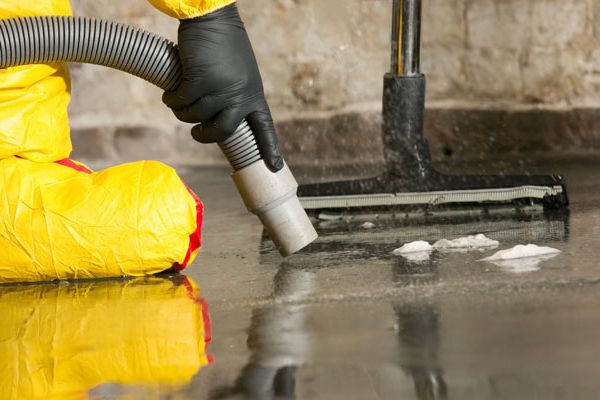
When sewage backs up into your home, you’re not dealing with regular water damage. You’re dealing with Category 3 water—the most contaminated classification according to industry standards. This is water that contains human waste, toilet paper, and everything else that goes down your drains.
Black water carries bacteria, viruses, parasites, and fungi that can make you seriously ill. We’re talking E. coli, Salmonella, Campylobacter—pathogens that cause vomiting, diarrhea, fever, and worse. Some of these bacteria can lead to gastrointestinal infections that land you in the hospital.
But the contamination doesn’t stop at what you can see. Sewage releases toxic gases into your air. Methane, hydrogen sulfide, carbon dioxide—gases that can cause respiratory problems, headaches, dizziness, and in high concentrations, unconsciousness. You might not see these dangers, but your body will feel them.
Black water contamination in basements
Your basement becomes ground zero when sewage backs up. And basements in Greendale and Milwaukee County see this more often than most homeowners realize, especially during heavy rain events when the sewer system gets overwhelmed.
When black water floods your basement, it doesn’t just sit on top of your concrete floor. It seeps into every porous surface it touches. Your drywall wicks it up like a sponge. Carpet padding absorbs it. Wood framing soaks it in. Insulation becomes saturated with contaminated water that you can’t see once the visible water is gone.
This is where the real problem starts. That contamination doesn’t dry out and disappear. It stays trapped in your building materials, creating the perfect environment for mold growth and continuing to release harmful bacteria and odors. Within 24 to 48 hours, mold starts developing in those damp materials. And we’re not talking about surface mold you can wipe away—we’re talking about colonies growing inside your walls and under your floors.
The longer contaminated materials stay in your home, the more health risks compound. Mold spores become airborne. Bacteria multiply. The air quality in your entire house degrades, not just in the basement. Kids, elderly family members, and anyone with respiratory issues or compromised immune systems face the highest risk.
Here’s what many people don’t realize: you can’t save materials that have absorbed black water. Professional restoration means removing and disposing of contaminated drywall, insulation, carpet, and padding. Trying to clean and reuse these materials leaves biohazards in your home. It’s not about saving a few hundred dollars on materials—it’s about protecting your family from ongoing exposure to pathogens that cause real illness.
Basements also tend to have floor drains, sump pumps, and utility connections that complicate cleanup. Water doesn’t just pool in one spot—it spreads through drain systems, behind finished walls, and into utility chases where you can’t easily see or reach it. Professional sewage cleanup involves more than extracting standing water. It requires identifying all affected areas, including hidden contamination that homeowners typically miss.
Toxic gases from sewer backups
While you’re focused on the water you can see, sewage is releasing gases you can’t see but definitely shouldn’t breathe. These aren’t just unpleasant odors—they’re toxic compounds that pose immediate health risks.
Methane is one of the most dangerous gases in sewage. It’s a fast-acting asphyxiant, which means it displaces oxygen in enclosed spaces. In high concentrations, methane can cause unconsciousness and death. Even in lower concentrations, it causes headaches, dizziness, nausea, and difficulty breathing. And because methane is odorless, you won’t necessarily smell it before it affects you.
Hydrogen sulfide is the gas responsible for that rotten egg smell. At low levels, it irritates your eyes, nose, and throat. At higher concentrations, it causes serious respiratory problems, loss of consciousness, and can be fatal. People working in sewage-contaminated areas without proper ventilation and respiratory protection are putting themselves at real risk.
Carbon dioxide, chlorine gas, nitrous oxide, sulfur dioxide—sewage releases a cocktail of gases that your home’s ventilation system wasn’t designed to handle. These gases don’t just stay in your basement. They rise through your home, affecting air quality on every level.
Respiratory symptoms are often the first sign of gas exposure. Coughing, wheezing, shortness of breath, chest tightness. People with asthma or other respiratory conditions experience severe reactions. But even healthy adults can develop respiratory infections and long-term breathing problems from exposure to sewage gases.
Children are particularly vulnerable. Their respiratory systems are still developing, and they breathe more rapidly than adults, meaning they inhale more contaminated air relative to their body size. Elderly family members and anyone with heart or lung conditions face elevated risks of serious complications.
Opening windows and running fans doesn’t adequately address toxic gas exposure. Professional sewage cleanup includes air scrubbers and proper ventilation systems designed to remove contaminated air and restore safe breathing conditions. These aren’t household fans—they’re industrial equipment that filters and exchanges air at rates necessary to eliminate biohazard gases.
The smell of sewage doesn’t tell you when the air is safe again. Gases can linger at harmful levels even after the odor seems to fade. We use air quality testing to verify that your home’s air is actually safe to breathe, not just less offensive to your nose.
Why DIY sewage cleanup puts your health at risk
You might think you can handle sewage cleanup yourself. Rent a wet vac, grab some bleach, maybe wear some rubber gloves. Save the money you’d spend on a professional crew.
That approach puts you in direct contact with biohazards without the protection or equipment needed to actually eliminate them. Household cleaning products aren’t designed for Category 3 water contamination. Bleach doesn’t kill all the pathogens in sewage. Regular cleaning tools spread contamination rather than removing it.
And here’s the part that catches people off guard: you can’t see when the job is actually done. Contamination hides in places you don’t think to check, in materials that look clean but are still saturated with bacteria and sewage. Professional cleanup isn’t just more thorough—it’s fundamentally different in approach and capability.
Health exposure without proper protective equipment
Professional sewage cleanup crews wear industrial-grade personal protective equipment for good reason. We’re talking full-body waterproof suits, respirators with HEPA filters, heavy-duty gloves, and steel-toed boots. This isn’t overkill—it’s the minimum protection required when working with Category 3 water.
Without proper PPE, you’re exposing yourself to direct contact with human waste and everything that comes with it. Bacteria enter your body through your skin, especially if you have any cuts, scrapes, or existing wounds. They enter through your eyes if contaminated water splashes. They enter through your respiratory system when you breathe in aerosolized particles and gases.
Rubber gloves from under your kitchen sink don’t provide adequate protection. They tear easily, they don’t cover enough of your arms, and they don’t protect the rest of your body. Household dust masks don’t filter out sewage gases or bacterial particles. Regular work boots aren’t waterproof enough to keep contaminated water from soaking through.
Even with basic protective gear, homeowners typically don’t know how to properly remove and dispose of contaminated equipment. Taking off gloves the wrong way can transfer bacteria to your hands. Walking through your house in boots that stepped in sewage spreads contamination to clean areas. Washing contaminated clothing in your regular laundry contaminates your washing machine.
We follow strict protocols for donning and removing PPE. We establish contamination zones and clean zones. We decontaminate equipment before moving it out of affected areas. These procedures exist because biohazard cleanup requires controlling the spread of contamination, not just cleaning up what you can see.
Direct exposure to sewage causes immediate health problems for many people. Skin infections, rashes, eye infections, gastrointestinal illness. You might start feeling sick within hours or days of contact. Some infections take longer to develop but cause serious complications when they do.
People with compromised immune systems—cancer patients, people with diabetes, anyone taking immunosuppressant medications—face life-threatening risks from sewage exposure. What might cause a bad case of diarrhea in a healthy adult can lead to systemic infection in someone whose immune system is already struggling.
And it’s not just about protecting yourself during cleanup. You’re bringing contamination into contact with everyone else in your household. Kids who play in the basement after you think you’ve cleaned it. Family members who touch surfaces you didn’t realize were contaminated. The health risks extend beyond the person doing the cleanup.
Professional sewage cleanup process
Professional sewage cleanup follows a specific process designed to completely eliminate contamination and restore your home to safe, livable condition. This isn’t about making things look better—it’s about making them actually safe.
The process starts with containment. We seal off the affected area to prevent contamination from spreading to other parts of your home. We establish negative air pressure so that air flows into the contaminated zone rather than out of it. This keeps sewage gases and airborne bacteria from moving through your house.
Extraction comes next. Industrial-grade pumps and vacuums remove standing water and sewage. These aren’t shop vacs—they’re powerful extraction systems designed to remove large volumes of contaminated water quickly and efficiently. The faster black water is removed, the less time it has to penetrate deeper into building materials.
Once standing water is gone, we remove all porous materials that absorbed contamination. Drywall gets cut out and disposed of properly. Carpet and padding get pulled up and hauled away. Insulation gets removed. Baseboards, trim, anything that soaked up black water has to go. This step is where DIY cleanup typically fails—homeowners don’t want to remove materials that still look okay, not understanding that contamination goes deeper than what you can see.
Cleaning and disinfection use EPA-approved antimicrobial agents specifically designed for sewage cleanup. These aren’t products you can buy at the hardware store. Professional disinfectants kill the full range of pathogens found in Category 3 water, applied at concentrations and contact times necessary to actually eliminate bacteria and viruses.
Structural drying involves industrial dehumidifiers and air movers running for days, not hours. We use moisture meters to track drying progress in walls, floors, and structural materials. We’re not guessing when things are dry—we’re measuring and documenting moisture levels until everything reaches safe thresholds that prevent mold growth.
Air scrubbing removes contaminated particles and gases from your home’s air. HEPA filtration captures bacteria, mold spores, and other airborne contaminants. Activated carbon filters remove odors and gases. This equipment runs continuously during the cleanup and drying process, cycling and filtering your home’s air multiple times per hour.
Final restoration includes replacing removed materials, repairing any structural damage, and returning your space to pre-damage condition. But before that happens, we verify that contamination has been completely eliminated. Some companies even bring in third-party testing to confirm that surfaces and air quality meet safety standards.
The entire process typically takes several days, depending on the extent of contamination. That timeline exists because proper sewage cleanup can’t be rushed. Cutting corners or skipping steps leaves contamination in your home. We understand that your family’s health depends on doing this right, not doing it fast.
Getting professional help for sewage backup cleanup
Sewage backups are biohazard emergencies, not regular cleaning jobs. The health risks are real—bacterial infections, toxic gas exposure, mold growth, and contamination that persists long after visible water is gone.
Professional cleanup protects your family by completely eliminating contamination, not just making things look better. It means using proper equipment, following industry protocols, and actually verifying that your home is safe before you move back in.
If you’re dealing with a sewage backup in Greendale, WI or anywhere in Milwaukee County, WI, time matters. The longer contaminated water sits in your home, the more damage it causes and the higher your health risks climb. We respond 24/7 to handle sewage cleanup the right way, with the equipment and expertise needed to protect what matters most—the people living in your home.