Summary:
What Happens During a Burst Pipe Emergency in Wisconsin
Pipes don’t just freeze and call it a day. When water freezes inside your plumbing, it expands. That expansion creates pressure. Enough pressure to crack copper, split PEX, or blow out joints in older galvanized lines that are common in Milwaukee County homes.
Once the pipe gives, water doesn’t trickle—it floods. A single burst pipe can release gallons per minute into your walls, under your floors, or straight into your basement. And here’s the problem: the damage doesn’t stop when the water stops flowing.
Water spreads. It soaks into drywall, insulation, flooring, and anything else in its path. Within hours, you’re not just dealing with standing water. You’re dealing with saturation that leads to mold, structural instability, and belongings that may not be salvageable. That’s why the first few hours after a pipe bursts matter more than anything else in the recovery process.
Why Milwaukee County Homes Are Vulnerable to Frozen Pipes
Southeastern Wisconsin gets hit harder than most regions when it comes to frozen pipe risk. Milwaukee, Racine, and Kenosha counties see an average of 120 days of rain and snow annually. But it’s not just precipitation—it’s the sustained cold.
Research shows that pipes start freezing when outdoor temperatures drop to 20°F or below, especially if they’re uninsulated or located in attics, crawl spaces, or exterior walls. In Milwaukee County, winter temperatures regularly dip into single digits, with wind chills reaching -20°F to -30°F during cold snaps. When those conditions last for three days or more, even properly installed pipes become vulnerable.
Older homes face additional risk. Many properties in Greendale and surrounding Milwaukee County areas were built decades ago, before modern insulation standards. Basements stay colder. Exterior walls lack proper sealing. Pipes run through unheated spaces. Add in the fact that frost can drive six to seven feet deep into Wisconsin ground during extreme winters, and you’ve got a perfect storm for frozen water lines.
Homes left vacant or with thermostats set too low are especially at risk. But even occupied homes with heating can experience frozen pipes if cold air infiltrates through cracks, gaps, or poorly insulated areas. The reality is that Wisconsin winters test every home’s vulnerabilities, and pipes are often the first thing to fail.
Immediate Steps to Take When a Pipe Bursts
The moment you discover a burst pipe, your priority is damage control. First, shut off your main water supply. This valve is typically located near your water meter in the basement or where the main line enters your home. Turning it off stops additional water from flooding into your property.
Next, if it’s safe to do so, shut off electricity to the affected area. Water and electricity are a dangerous combination, and standing water near outlets or electrical panels creates a serious shock hazard. Don’t walk through standing water if you can’t confirm the power is off.
Open faucets throughout your home to relieve pressure in the plumbing system and allow any remaining water to drain out. This also helps if you’re trying to thaw a frozen section—running water can help melt ice blockages before they cause additional damage.
Now, call for emergency water removal. This is not a situation you can handle with a shop vac and some towels. Professional water extraction removes the volume of water quickly, which is critical. The longer water sits, the deeper it penetrates into porous materials like wood, drywall, and insulation. Within 24 to 48 hours, mold can start growing in damp areas, turning a plumbing problem into a health hazard.
While you’re waiting for help to arrive, move valuables and furniture out of the affected area if you can do so safely. Take photos and document the damage for your insurance claim. But don’t try to remove all the water yourself or start tearing out materials—restoration professionals need to assess the full extent of the damage, including hidden moisture that you can’t see.
If the pipe froze but hasn’t burst yet, don’t use open flames or high heat to thaw it. Hair dryers, heat lamps, or warm towels work safely. Open flames can damage pipes, start fires, or cause the pipe to burst from rapid temperature changes.
24 Hour Restoration Services and Why Response Time Matters
Water damage is a race against time. Every hour that passes, the damage compounds. What starts as standing water becomes saturated drywall. Saturated drywall leads to mold. Mold leads to health risks and costly remediation. Structural materials weaken. Floors buckle. Ceilings sag.
That’s why 24/7 emergency water removal services exist. Because burst pipes don’t wait for business hours, and neither does water damage. In Milwaukee County, where winter pipe emergencies peak during the coldest months, having access to immediate response can be the difference between a manageable repair and a total renovation.
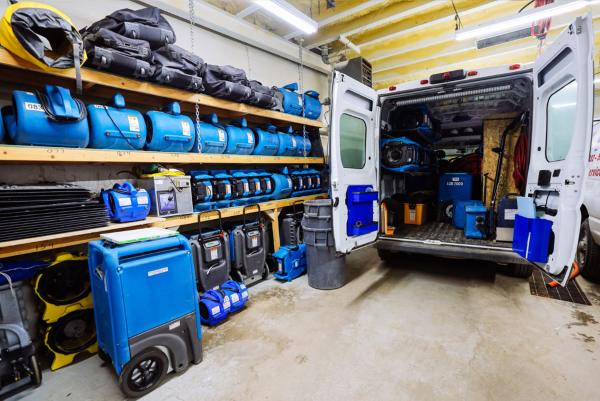
We arrive with industrial-grade equipment: high-volume water extractors, commercial dehumidifiers, air movers, and moisture detection tools. We don’t just remove visible water—we identify hidden moisture in walls, under floors, and in other areas you wouldn’t think to check. That’s the kind of thoroughness that prevents problems three weeks from now when mold starts showing up.
What to Expect from Emergency Water Removal in Greendale, WI
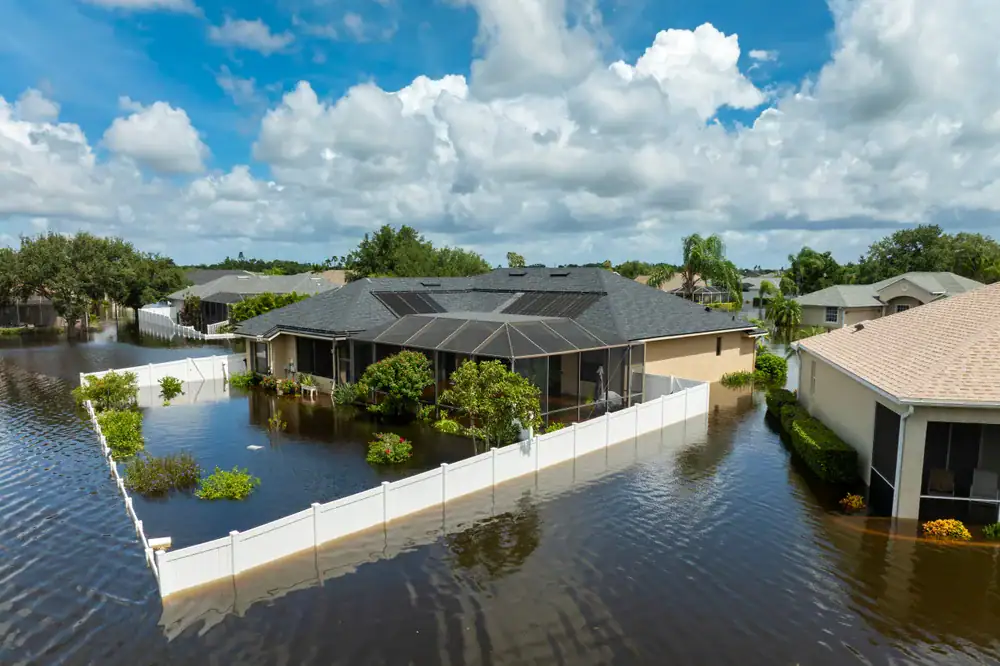
When you call us for emergency water damage restoration in Greendale or anywhere in Milwaukee County, here’s what happens. Our trained technicians arrive on-site as quickly as possible—often within 60 to 90 minutes, depending on current call volume. Speed matters, especially during winter when multiple homes may be dealing with frozen pipe emergencies simultaneously.
The first step is assessment. We inspect the damage, identify the water source (in this case, the burst pipe), and determine the extent of saturation. We’ll use moisture meters and thermal imaging to find water you can’t see. This assessment guides the entire restoration plan and provides documentation for your insurance claim.
Next comes water extraction. Industrial pumps and vacuums remove standing water from floors, carpets, and other surfaces. This isn’t a quick mop-up job—it’s a systematic removal of hundreds or thousands of gallons, depending on how long the pipe was leaking and where the water spread.
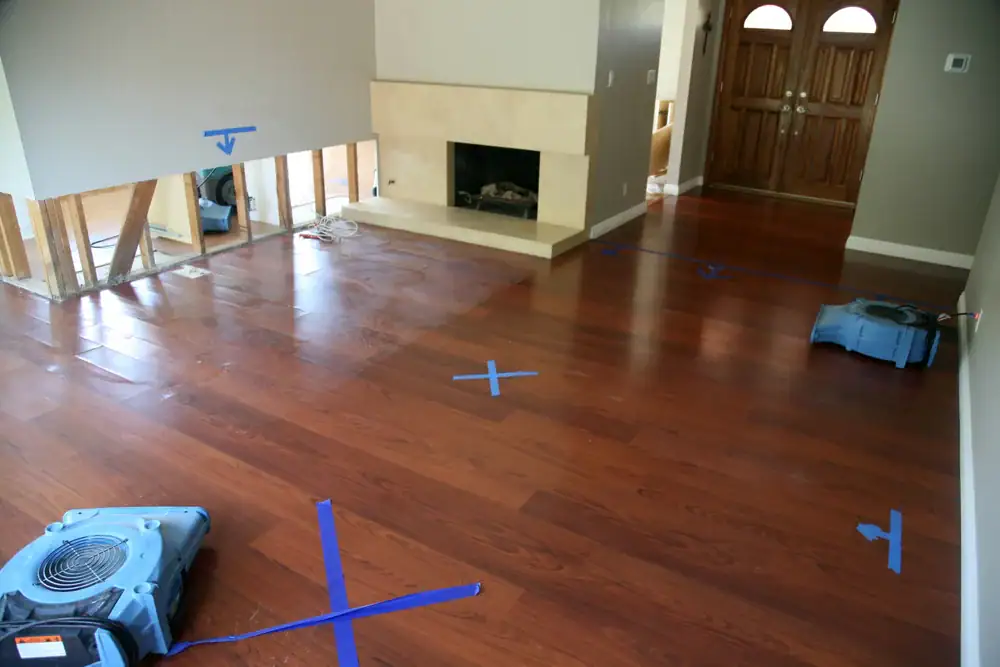
After extraction, the drying process begins. This involves setting up dehumidifiers and air movers strategically throughout the affected area to pull moisture out of materials and circulate air. Drying can take anywhere from three to seven days, depending on the severity of the damage and the materials involved. Dense materials like hardwood or thick insulation take longer to dry completely.
Throughout the process, moisture levels are monitored. Our technicians return to check progress, adjust equipment, and ensure everything is drying properly. Once moisture levels return to normal, the restoration moves into repair mode: replacing damaged drywall, flooring, insulation, and any other materials that couldn’t be saved.
We also handle communication with your insurance company, provide detailed documentation of the damage and the work performed, and walk you through every step so you’re never left wondering what’s happening next.
How to Prevent Frozen Pipes Before Wisconsin Winter Hits
Prevention is always cheaper than restoration. Milwaukee Water Works and other local authorities issue the same advice every year because it works: keep your basement warm, run water occasionally during extreme cold, and eliminate drafts.
Insulating exposed pipes is one of the most effective preventive measures. Pipes in unheated areas like basements, crawl spaces, attics, and garages need foam insulation sleeves or heat tape. Hardware stores carry these materials, and installation is straightforward. Pay special attention to pipes along exterior walls or in areas where you’ve felt cold drafts in the past.
During prolonged cold snaps—when temperatures stay below freezing for three or more days—let a small stream of water run from faucets connected to vulnerable pipes. It doesn’t need to be a heavy flow; a pencil-width stream is enough to keep water moving and prevent freezing. Yes, this increases your water bill slightly, but it’s far less expensive than repairing a burst pipe and dealing with water damage.
Seal cracks and gaps around your home’s foundation, windows, and doors. Cold air sneaking into your basement or crawl space can freeze pipes even when the rest of your home is warm. Check for drafts by running your hand along pipes and feeling for cold air. If you find any, seal them immediately with caulk or weatherstripping.
Keep your thermostat set to at least 55°F, even if you’re leaving town. Dropping the temperature to save on heating costs during a vacation can lead to frozen pipes that cost thousands to repair. If you’re going to be away for an extended period during winter, consider shutting off your main water supply and draining your pipes, or have someone check on your home regularly.
Open cabinet doors under sinks, especially those on exterior walls, to allow warm air to circulate around the pipes. It’s a simple step that makes a real difference when temperatures plummet.
Finally, disconnect and drain outdoor hoses, and shut off water to exterior spigots. These are often the first pipes to freeze because they’re directly exposed to outdoor temperatures.
Getting Help When Winter Water Damage Strikes Milwaukee County
Frozen pipes and burst pipe emergencies are part of life in Wisconsin. You can prepare, insulate, and take every precaution, but sometimes the cold wins. When it does, you need a team that understands the urgency, responds immediately, and knows how to handle water damage the right way.
Fast response prevents mold. Proper drying protects your home’s structure. Thorough restoration gets you back to normal without cutting corners. That’s what matters when you’re standing in your basement at midnight watching water spread across the floor.
If you’re dealing with a water damage emergency in Greendale, Milwaukee County, or the surrounding area, we’re available 24/7. Local, experienced, and ready to respond when winter hits your home the hardest.