Summary:
Why Smoke Damage Lingers After the Fire Is Out
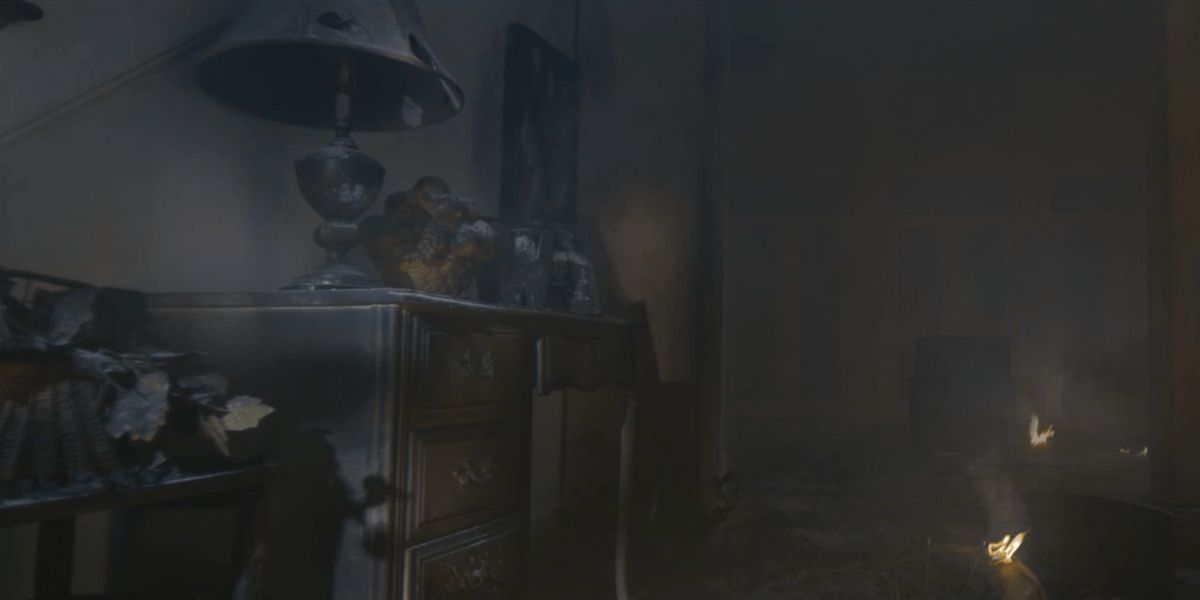
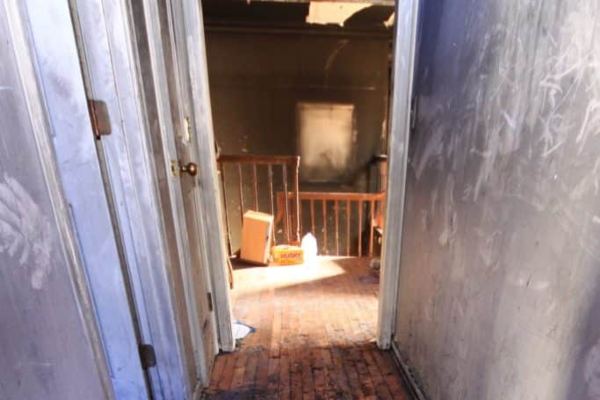
When materials burn, they don’t just disappear. They break down into microscopic particles—soot, ash, and volatile organic compounds—that become airborne and travel throughout your property. These particles are incredibly small, often less than 0.1 micrometers, which means they can stay suspended in air for weeks or months and penetrate porous materials like drywall, insulation, fabric, and wood.
Here’s what makes this tricky: smoke doesn’t just settle on surfaces. It absorbs into them. Your walls, furniture, carpets, and even the inside of your HVAC ductwork become reservoirs for these particles. That’s why the smell doesn’t go away when you open windows or spray air freshener. The source is embedded in the structure itself.
The particles aren’t just unpleasant—they’re acidic and corrosive. Left untreated, soot can eat away at paint, drywall, and finishes, causing discoloration, warping, and deterioration over time. The longer these particles sit, the more damage they cause and the harder they become to remove.
What Happens to Your HVAC System After a Fire
Your heating and cooling system is designed to circulate air throughout your home. That’s exactly what it does after a fire—except now it’s circulating smoke particles, soot, and toxic residues into every room. Even if the fire was contained to one area, your HVAC system can spread contamination to spaces that weren’t directly affected.
Smoke and soot coat the inside of your ductwork, settle on filters, and cling to mechanical components. When you turn the system back on, these particles get blown back into your living space. You might notice black dust near vents, reduced airflow, or a persistent smoky smell that seems to come from nowhere. That’s your HVAC system recirculating contaminated air.
The problem compounds over time. Soot is corrosive, which means it can damage electrical components, reduce system efficiency, and even create fire hazards if it accumulates near heating elements. Running a contaminated HVAC system without professional cleaning doesn’t just spread odors—it spreads health risks.
Professional HVAC restoration after a fire involves shutting down the system, inspecting all ductwork and components, removing soot and smoke residue with specialized brushes and HEPA vacuums, sanitizing the system, and replacing filters. It’s not optional if you want clean air in your home. It’s a critical step in the restoration process that prevents contaminated air from cycling through your property for months.
The Health Risks of Breathing Smoke Particles
Smoke particles aren’t just an odor nuisance. They’re a legitimate health hazard. Fine and ultra-fine particles can penetrate deep into your lungs, causing respiratory issues, aggravating asthma and other chronic conditions, and even contributing to cardiovascular problems. The smallest particles—those under 2.5 micrometers—are particularly dangerous because they bypass your body’s natural filtration systems and enter your bloodstream.
Soot contains more than just carbon. It’s a complex mixture of acids, metals, toxic chemicals, and polycyclic aromatic hydrocarbons (PAHs), which are known carcinogens. When you breathe in soot particles or touch contaminated surfaces, you’re exposing yourself to these compounds. Children, elderly individuals, and anyone with pre-existing respiratory or heart conditions are especially vulnerable.
The effects aren’t always immediate. Prolonged exposure to smoke residue can lead to chronic respiratory problems, increased cancer risk, and neurological issues over time. This is why particle exposure from fires contributes to thousands of premature deaths each year in the United States. It’s not about being overly cautious—it’s about understanding that invisible contamination has real consequences.
Professional smoke damage cleanup removes these health hazards at the source. It’s not just about making your home smell better. It’s about making it safe to live in again. Air scrubbers with HEPA filters capture particles as small as 0.3 microns. Specialized cleaning methods remove soot from surfaces before it can be disturbed and become airborne again. Odor neutralization techniques break down the chemical compounds that create lingering smells. Every step is designed to eliminate the contaminants that threaten your family’s health, not just cover them up.
How Professional Smoke Damage Cleanup Actually Works
Professional smoke restoration isn’t about spraying deodorizer and calling it done. It’s a systematic process that addresses contamination at every level—air, surfaces, and structural materials. The goal is complete odor elimination and air quality restoration, which requires specialized equipment and techniques that go far beyond what’s available to homeowners.
The process starts with a thorough assessment. We inspect the extent of smoke and soot damage, identify all affected areas (including hidden spaces like wall cavities and ductwork), and determine which materials can be cleaned versus which need to be replaced. This assessment guides the entire restoration plan.
From there, the work involves multiple phases: containment to prevent spreading contaminants, removal of heavily damaged materials, deep cleaning of all salvageable surfaces, HVAC decontamination, air purification, and odor neutralization. Each phase uses specific tools and methods designed for fire restoration.
Soot Removal and Surface Cleaning Techniques
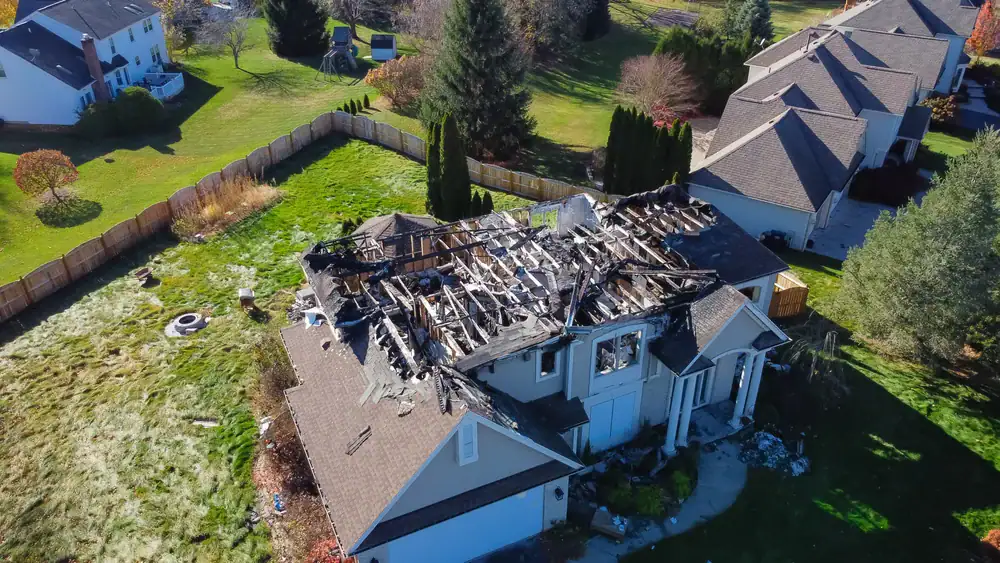
Removing soot from surfaces requires more than wiping things down. Dry soot is powdery and can spread easily if disturbed. Wet soot (common from smoldering fires) is sticky and greasy, making it harder to remove. Different types of soot require different cleaning approaches, and using the wrong method can actually make the problem worse by pushing particles deeper into materials.
We use HEPA-filtered vacuums to remove loose soot without sending particles back into the air. We apply specialized cleaning agents designed to break down smoke residue without damaging surfaces. For walls and ceilings, we work methodically from top to bottom to prevent streaking and ensure complete coverage. Porous materials like upholstery and carpets often require deep cleaning methods like steam cleaning or ultrasonic cleaning to remove particles embedded in fibers.
Hard surfaces get treated with solutions that neutralize the acidic properties of soot, preventing ongoing corrosion. Wood surfaces may need special attention to remove smoke that’s penetrated the grain. Electronics require careful handling because soot can damage sensitive components and create short circuit risks.
The cleaning phase also extends to contents—furniture, clothing, personal items. Salvageable belongings are often removed from the property, cleaned at an off-site facility using specialized equipment, and returned once the structure is restored. This prevents cross-contamination and ensures thorough deodorization of everything in your home.
Odor Neutralization: Thermal Fogging and Ozone Treatment
Eliminating smoke odor requires breaking down the molecular structure of odor-causing compounds, not just covering them up. That’s where advanced deodorization methods come in. Two of the most effective techniques are thermal fogging and ozone treatment, each serving a specific purpose in the restoration process.
Thermal fogging uses heat to vaporize a deodorizing solution into a fine mist that behaves like smoke. This fog penetrates the same microscopic cracks, crevices, and porous materials that smoke originally reached. The deodorizing particles bond with smoke particles and neutralize them at the source. It’s particularly effective for reaching hidden areas like wall cavities, subflooring, and tight spaces that can’t be accessed with traditional cleaning methods.
Ozone treatment works differently. Ozone generators produce ozone gas (O₃), which is a powerful oxidizer. When ozone molecules come into contact with odor-causing compounds, they break them down through oxidation, effectively destroying the source of the smell. This method is highly effective for severe smoke odors, especially from protein fires (like burned food). However, ozone is toxic to humans and pets, so the property must be completely evacuated during treatment and for several hours afterward while the ozone dissipates.
Many restoration projects use a combination of methods. Hydroxyl generators offer another option—they produce hydroxyl radicals that break down odor molecules but can be used while people are present, making them safer for occupied spaces. Air scrubbers equipped with activated carbon filters remove volatile organic compounds (VOCs) that create smoke smells. The specific approach depends on the type of fire, severity of contamination, and materials affected.
The key difference between professional odor neutralization and DIY attempts is permanence. Masking agents and air fresheners provide temporary relief but don’t eliminate the source. Professional methods chemically alter or remove the compounds causing the odor, which means the smell doesn’t come back.
Getting Your Home's Air Quality Back to Normal
Smoke damage doesn’t fix itself. The particles that create health risks and persistent odors will continue affecting your home until they’re properly removed. What looks like a small fire can create contamination that spreads throughout your entire property, settling into places you can’t see and won’t think to check.
Professional restoration addresses the problem at every level—removing soot from surfaces, decontaminating your HVAC system, purifying the air, and neutralizing odors at the molecular level. It’s a technical process that requires specialized equipment, training, and methods that aren’t available through DIY approaches.
If you’re dealing with smoke damage in Greendale or anywhere in Milwaukee County, we can help. We understand what’s actually happening in your home after a fire and know how to restore your air quality and eliminate contamination completely. Reach out to get your property assessed and start the restoration process.