Summary:
Why Water Removal Speed Determines Everything
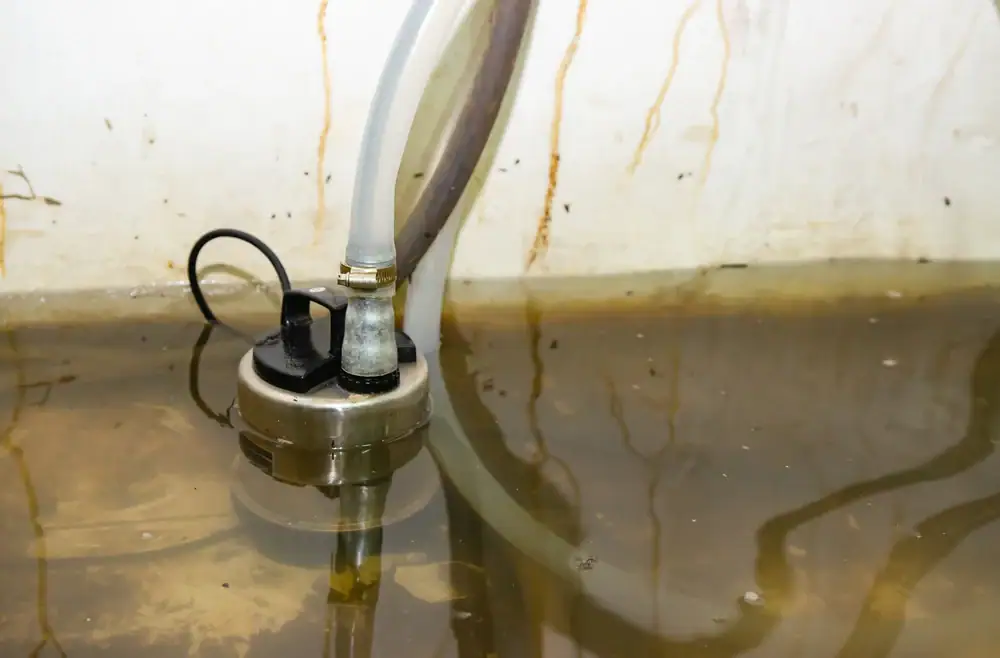
The difference between minor water damage and a major restoration project comes down to hours, not days. Mold spores are already in your home—they’re everywhere. They’re just waiting for the right conditions to colonize.
When water saturates porous materials like drywall, wood, and insulation, you’ve created the perfect breeding ground. Temperature doesn’t matter much. Humidity does.
If those materials stay wet past 48 hours, you’re not just dealing with water anymore. You’re dealing with mold remediation, potential structural repairs, and health concerns that weren’t on your radar when the pipe first burst.
What Happens to Building Materials in the First 72 Hours
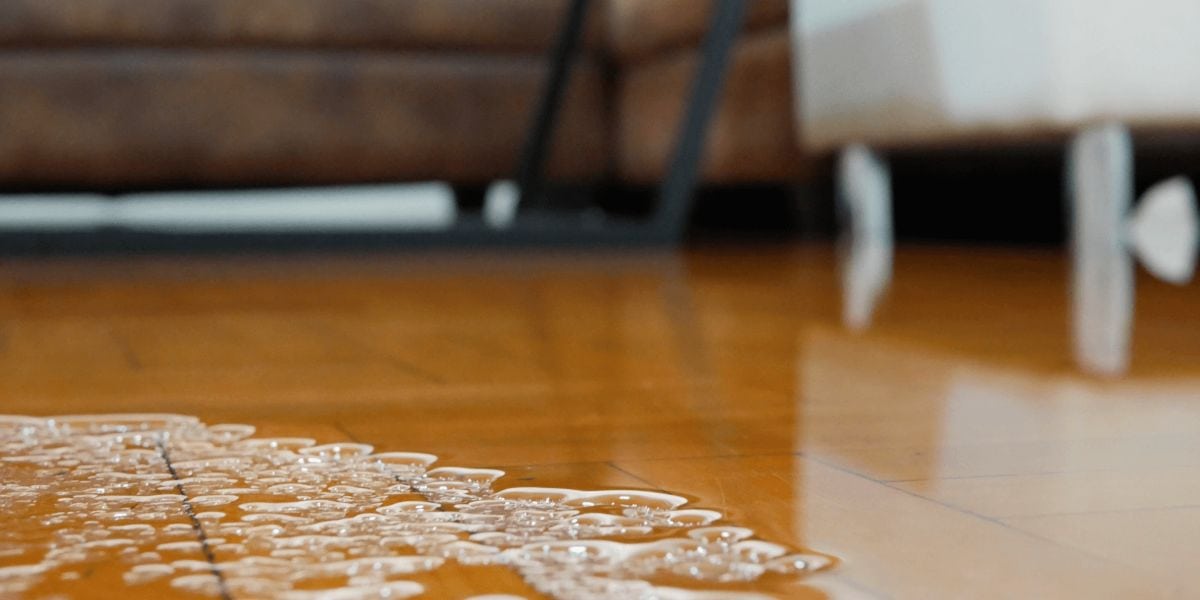
In the first 24 hours after water exposure, materials start absorbing moisture at different rates. Drywall acts like a sponge. Hardwood flooring begins to swell at the edges. Carpet padding holds water like a reservoir underneath what looks like a drying surface.
You might see the surface drying and think you’re making progress. But moisture meters tell a different story. The readings inside your walls and under your floors are what actually matter.
Between 24 and 72 hours, the damage accelerates. Wood doesn’t just stay wet—it starts to warp. Drywall doesn’t just absorb water—it begins losing structural integrity. Metal fasteners and nails start to corrode.
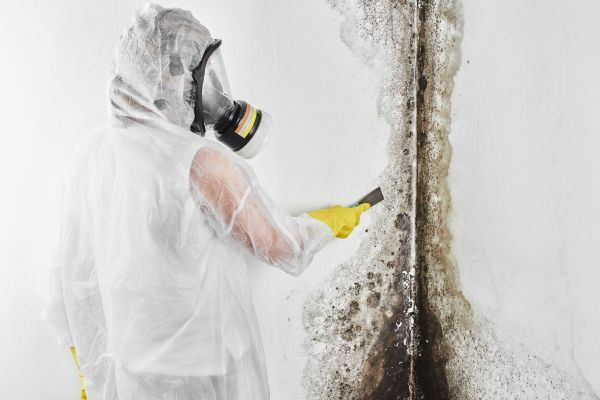
This is when mold moves from dormant spores to active colonies. You won’t see it yet. It’s growing inside wall cavities, under flooring, in places your fans aren’t reaching. By the time visible mold appears, the problem is already established.
After 72 hours, you’re in a different category of damage. What could have been a straightforward water extraction job now involves cutting out drywall, replacing insulation, and treating for mold. The cost difference isn’t small.
Milwaukee County sees this pattern repeat every spring when heavy rains overwhelm sump pumps and aging drainage systems. The homeowners who call for professional water removal within the first day save thousands compared to those who wait.
How Moisture Hides in Structural Materials
Water follows gravity, but it doesn’t stop where you can see it. When a basement floods, water doesn’t just sit on the concrete. It wicks up into the bottom plates of your walls—the wooden frame that everything else is built on.
Drywall has a paper backing that pulls moisture upward through capillary action. You might have two inches of standing water on your floor, but the moisture line inside your walls can climb 12 to 18 inches higher.
Subfloors are another hidden problem. Whether you have plywood or OSB under your finished flooring, these materials absorb and hold moisture. They swell, lose strength, and create the dark, damp environment where mold thrives.
You can’t see any of this from the surface. A floor might look dry while the subfloor underneath is still saturated. This is why we use moisture meters in professional water damage restoration—they measure what’s actually happening inside your building materials, not just what looks dry to your eye.
Insulation in walls and crawl spaces is particularly problematic. Once wet, most types of insulation lose their effectiveness and need replacement. But more importantly, wet insulation against wooden framing is a recipe for rot.
In older homes common throughout Greendale, WI, this hidden moisture can go undetected for weeks. By the time you smell the musty odor or see the mold growth, the damage has spread far beyond the original water source.
The science is clear: if you can’t measure the moisture content inside your building materials, you can’t know when they’re actually dry.
Industrial Dehumidifiers vs. Home Fans: The Real Difference
Here’s the question that matters: why can’t you just run your home dehumidifier and some box fans for a few days? The answer comes down to physics and capacity.
A typical residential dehumidifier removes maybe 30 to 50 pints of water per day under ideal conditions. An industrial unit pulls 10 to 20 gallons daily—that’s 80 to 160 pints. The difference isn’t incremental. It’s exponential.
But capacity is only part of the equation. How these machines work determines what they can actually accomplish in a water damage scenario.
How Professional Water Extraction Equipment Actually Works
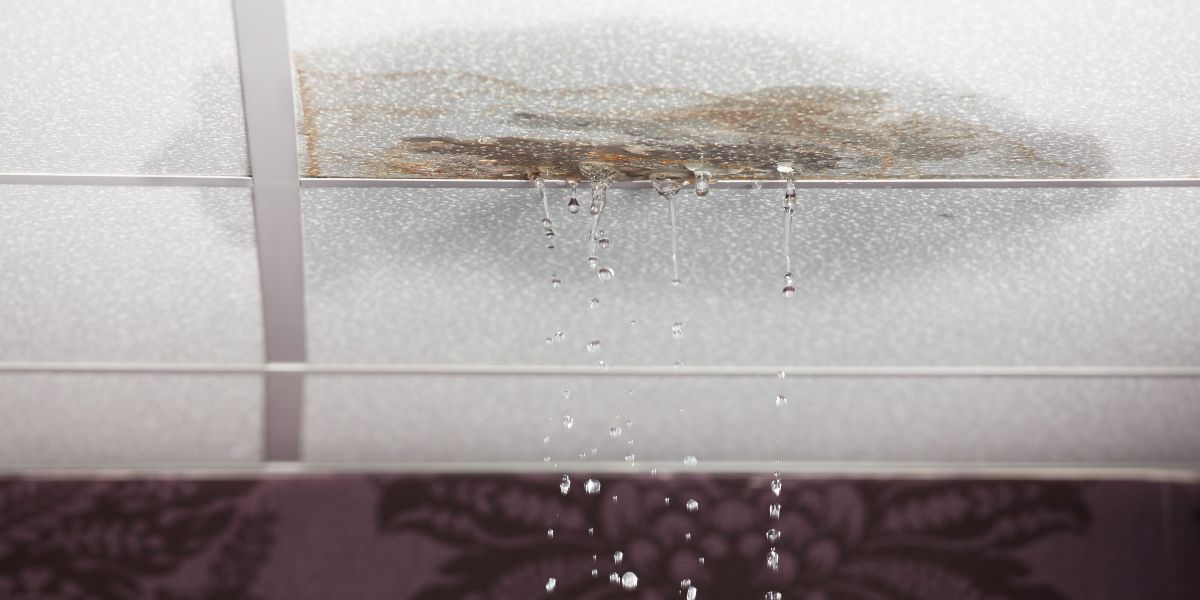
Fans move air. That’s it. They increase evaporation at surfaces by creating airflow, which can help with surface moisture. But evaporation just moves water from your floor or walls into the air. Now you’ve got high humidity in your basement.
This is where people make a critical mistake. They run fans without running dehumidifiers, or they run a small home dehumidifier that can’t keep up. The result? Water evaporates from surfaces but stays in the air, then re-condenses on cooler surfaces. You’re just moving the problem around.
Industrial dehumidifiers work through a condensation process. They pull humid air across cold coils, forcing the moisture to condense out of the air and into a collection system. The dried air gets pushed back into the space. This actively removes water from your environment instead of just moving it around.
Low-grain refrigerant (LGR) dehumidifiers take this further. They can operate in lower humidity environments and extract moisture more efficiently than standard units. When you’re trying to get building materials from 80% moisture content down to 12-15% (acceptable levels), this efficiency matters.
We also use air movers in professional water extraction—not box fans. Air movers create focused, high-velocity airflow designed to work with dehumidifiers. They push moisture out of materials and into the air where dehumidifiers can capture it.
The combination is what makes professional water removal effective. Air movers create evaporation. Dehumidifiers capture that moisture. Moisture meters verify progress. This system works together to dry materials from the inside out, not just the surface.
A homeowner with fans and a basement dehumidifier is trying to bail out a boat with a coffee cup. It might work eventually, but the boat’s probably going to sink first.
Why Fans Alone Can Make Water Damage Worse
Running fans without proper dehumidification can actually extend your drying time and increase damage. Here’s why: when you evaporate moisture into already-humid air, you’re not removing water from your home. You’re just changing its location.
That humid air then settles on cooler surfaces—windows, exterior walls, pipes. It condenses there, creating new moisture problems in areas that weren’t even part of the original water damage.
In Milwaukee’s humid climate, especially during spring and summer, outdoor air isn’t going to help you dry out a flooded basement. Bringing in humid outdoor air with fans just adds more moisture to an already saturated environment.
There’s also the mold factor. If mold has already started growing, running fans without containment spreads spores throughout your home. Those spores land on new surfaces, find moisture, and create additional colonies. You’ve just turned a localized problem into a whole-house issue.
We use controlled drying in professional water damage restoration. The space is often sealed to prevent humid outside air from entering. Dehumidifiers run continuously to maintain low humidity levels. Air movers are positioned strategically based on moisture readings, not just pointed randomly at wet areas.
This controlled environment prevents secondary damage and stops mold spread. It’s not about having bigger equipment—it’s about having the right equipment used correctly.
The cost difference between DIY drying and professional water extraction isn’t just the service fee. It’s the difference between a three-day dry-out and a three-week mold remediation project.
Making the Right Call for Water Removal in Greendale, WI
When water invades your property, you’re facing a decision that affects your home’s structure, your family’s health, and your bank account. The science behind professional water extraction isn’t complicated—it’s just specific.
Industrial dehumidifiers remove moisture that home equipment can’t touch. Moisture meters measure what you can’t see. Proper drying techniques prevent the mold growth and structural rot that turn a water emergency into a renovation project.
If you’re dealing with water damage in Greendale, WI or anywhere in Milwaukee County, the first 24 hours determine everything that comes next. We use professional-grade extraction equipment and proven drying methods to stop damage before it spreads—not after you’ve already paid for it twice.