You walk back into a space that’s completely dry, thoroughly cleaned, and structurally sound. The musty smell is gone. The threat of mold is eliminated. Your floors, walls, and belongings are restored to their pre-flood condition.
No more sleepless nights wondering if hidden moisture is rotting your home’s foundation. No more insurance headaches—we handle the paperwork and work directly with your carrier. Just your property back to normal and your peace of mind restored.
Your neighbors in Washington Park know that Wisconsin weather doesn’t wait for convenient timing. Neither do we.
We’ve been helping Washington Park families recover from water disasters for years. We’re not some national chain that treats your emergency like a number in a queue.
We know how quickly Wisconsin storms can overwhelm sump pumps and turn basements into swimming pools. We’ve seen what happens when spring snowmelt meets aging infrastructure. That’s why we keep our emergency crews on standby 24/7, ready to respond within hours—not days.
When you call us, you’re working with the same certified technicians from start to finish. No rotating crews, no confusion about what’s been done or what comes next.
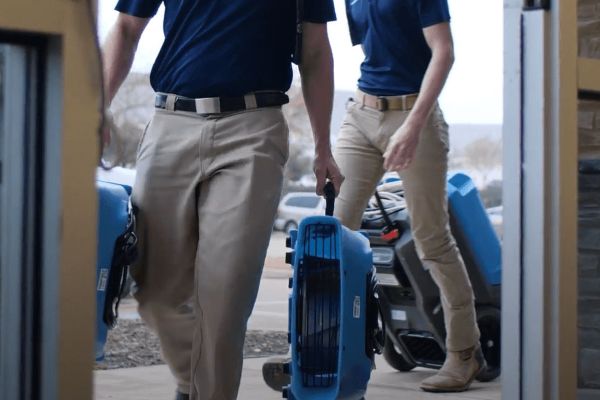
First, we assess the full scope of damage using moisture detection equipment to find hidden water pockets that cause problems later. We document everything for your insurance claim while we’re at it.
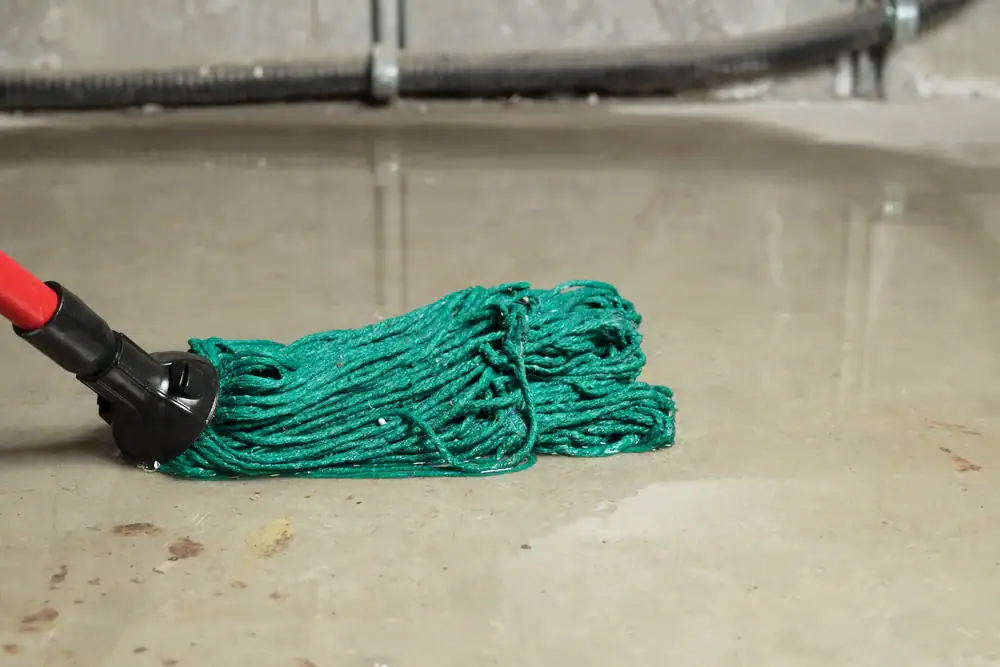
Next comes water extraction using industrial-grade pumps and vacuums. We’re not talking about shop vacs—this is commercial equipment designed to handle serious flooding fast.
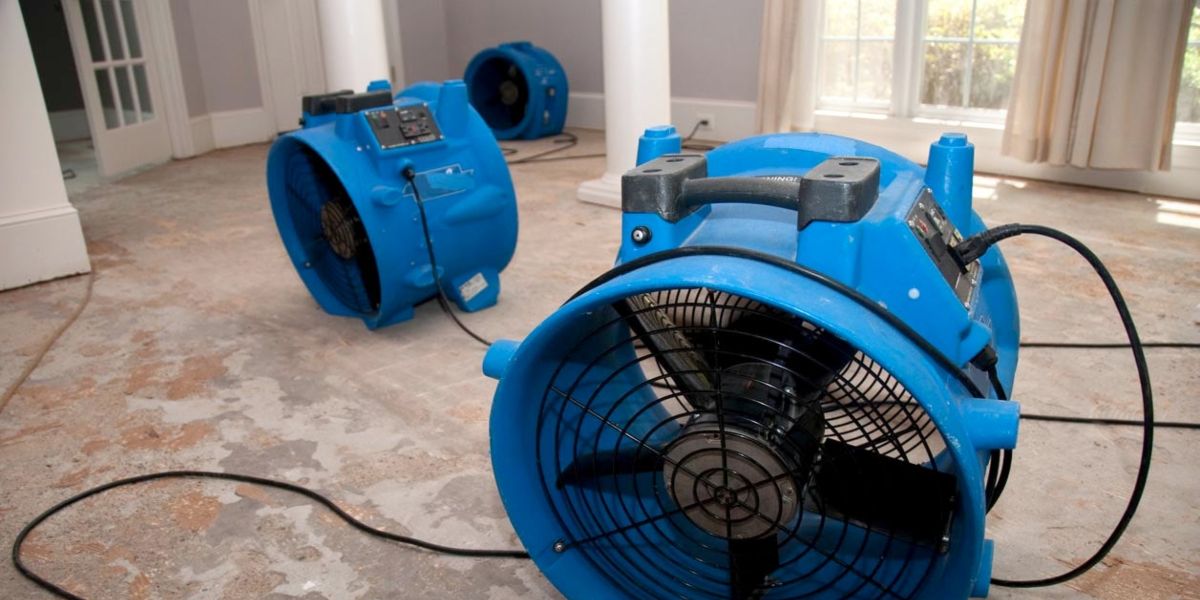
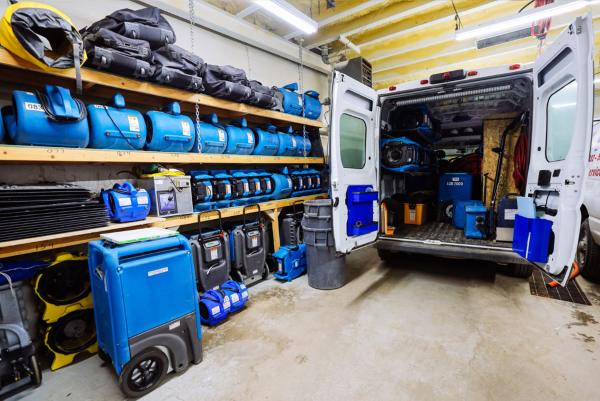
Then we set up our drying system: dehumidifiers, air movers, and monitoring equipment that tracks moisture levels in real time. This phase typically takes 3-5 days depending on the extent of damage, and we check progress daily.
Finally, we handle repairs and restoration. Drywall replacement, flooring installation, whatever it takes to get your space back to pre-flood condition.
Ready to get started?
Your flood damage cleanup includes complete water extraction, structural drying, dehumidification, and antimicrobial treatment to prevent mold growth. We also handle content cleaning for salvageable belongings and provide temporary storage if needed.
Washington Park’s proximity to local waterways means flood risks can spike quickly during heavy rains. We’ve handled everything from burst water heaters in ranch homes to storm-flooded basements in the area’s older housing stock.
Our service covers the insurance documentation you need, direct billing when possible, and coordination with your adjuster. We know which local building materials suppliers can deliver fast, and we maintain relationships with electricians and plumbers for jobs that need additional trades.
You get one point of contact managing the entire restoration process, not a dozen different contractors to coordinate.
We maintain 24/7 emergency response and typically arrive on-site within 2-4 hours of your call, depending on current weather conditions and call volume. Our crews are staged throughout the Milwaukee metro area specifically to provide rapid response to communities like Washington Park.
Time is critical with flood damage because mold can begin growing within 24-48 hours in Wisconsin’s humid climate. The sooner we start water extraction and drying, the more of your property we can save and the lower your total restoration costs will be.
We keep our emergency hotline staffed around the clock because floods don’t happen during business hours. Whether it’s 2 AM on Sunday or during a holiday, we’ll dispatch a crew to assess your damage and begin stabilization immediately.
Standard homeowner’s insurance typically doesn’t cover flood damage from rising water or surface flooding, but it may cover water damage from sources like burst pipes, roof leaks, or sump pump failures. The key distinction is the source and direction of the water.
We work directly with insurance adjusters and understand how to document damage in ways that support your claim. Our technicians photograph everything, maintain detailed moisture logs, and provide the documentation your insurance company needs to process your claim efficiently.
If you have flood insurance through FEMA’s National Flood Insurance Program, we’re experienced in working with those claims as well. We’ll handle the paperwork and communication with adjusters so you can focus on getting your life back to normal rather than fighting with insurance companies.
Water damage typically refers to water coming from above or from internal sources—burst pipes, roof leaks, overflowing appliances, or sump pump failures. This type of damage is usually covered by standard homeowner’s insurance policies.
Flood damage refers to water that rises from ground level or enters your property from outside sources like storm runoff, river overflow, or surface water accumulation. This type of damage requires separate flood insurance and is not covered by regular homeowner’s policies.
The distinction matters because it determines your insurance coverage, but from a restoration standpoint, we handle both types using the same professional equipment and techniques. Standing water is standing water—it all needs to be extracted quickly and thoroughly to prevent secondary damage like mold growth and structural deterioration.
Mold prevention starts with rapid water extraction and aggressive drying within the first 24-48 hours. We use commercial-grade dehumidifiers and air movers to reduce humidity levels below 50%, which prevents mold spores from taking hold and multiplying.
We also apply antimicrobial treatments to affected surfaces during the drying process. These treatments kill existing mold spores and create a hostile environment for new growth. All porous materials that can’t be properly dried and disinfected—like soaked drywall, insulation, or carpet padding—get removed and replaced.
Our moisture monitoring equipment tracks humidity levels and moisture content in building materials throughout the drying process. We don’t consider the job complete until moisture levels return to normal ranges and stay there. This scientific approach to drying is what separates professional restoration from DIY attempts that often lead to mold problems months later.
First, ensure your safety—don’t enter flooded areas if there’s any risk of electrical hazards, and avoid contact with potentially contaminated water. Turn off electricity to affected areas if you can do so safely from a dry location.
Call us immediately for emergency response, then contact your insurance company to report the claim. Take photos and videos of the damage before we begin cleanup, but don’t start removing water or damaged materials yourself—improper cleanup can actually make the damage worse and complicate insurance claims.
If possible, move valuable items to dry areas, but don’t risk your safety doing it. Our crews are trained to work safely in flood conditions and have the proper equipment to extract water and salvage belongings without creating additional hazards or damage.
Water extraction typically takes 1-2 days depending on the amount of standing water. The drying phase usually requires 3-5 days with our commercial equipment running continuously, though this can extend longer for severe flooding or in humid conditions.
Repair and restoration work depends on the extent of damage—replacing drywall and flooring might take another 3-7 days, while more extensive reconstruction can take several weeks. We provide realistic timelines upfront and keep you updated on progress throughout the process.
The key factor is starting quickly. Properties where we begin restoration within hours of the flood typically require less extensive repairs and get back to normal faster than properties where cleanup is delayed. That’s why we maintain 24/7 emergency response—every hour counts when it comes to minimizing your total restoration time and costs.
Other Services we provide in Washington Park