When mold is gone, you breathe easier. Your family’s health concerns disappear. Your property value stays protected.
You get back to normal life without the constant worry about what’s growing behind your walls or under your floors. No more musty odors greeting you when you walk in the door. No more wondering if that persistent cough is connected to something lurking in your basement.
The air quality improves immediately. Your home feels like home again—not a place you’re hesitant to spend time in.
Flood Guys Restoration has been serving Washington Heights and surrounding Wisconsin communities for decades. We operate as a family-owned business with IICRC certification and MRSC registration.
Wisconsin’s humid summers create perfect conditions for mold growth—something every local homeowner understands. With humidity levels reaching 86% in the morning during summer months, properties in Washington Heights face constant moisture challenges that can lead to serious mold problems.
We know how Wisconsin homes are built and where mold typically hides in local properties.
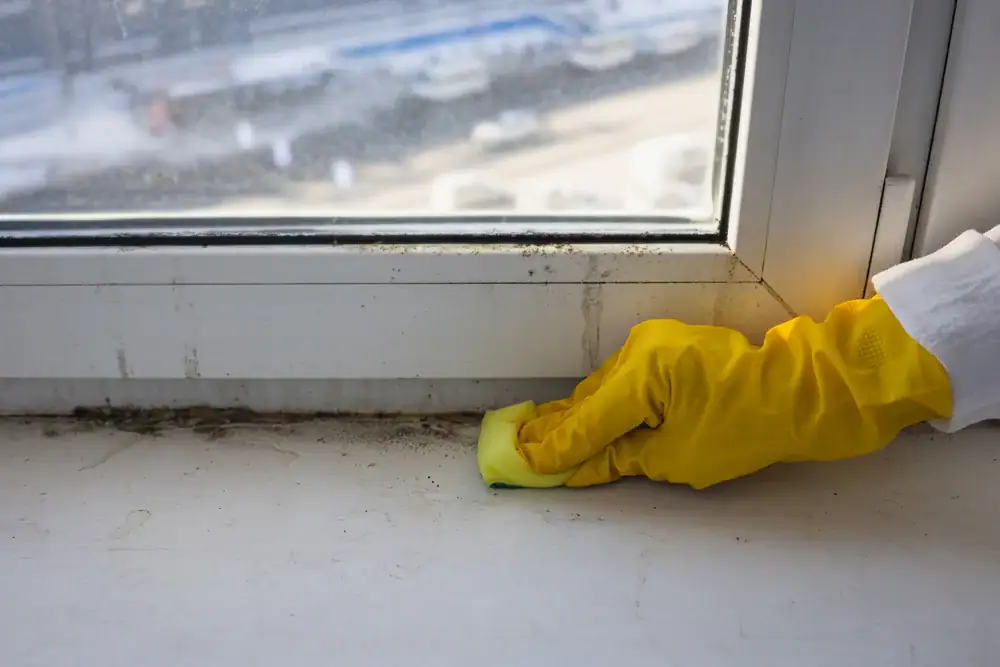
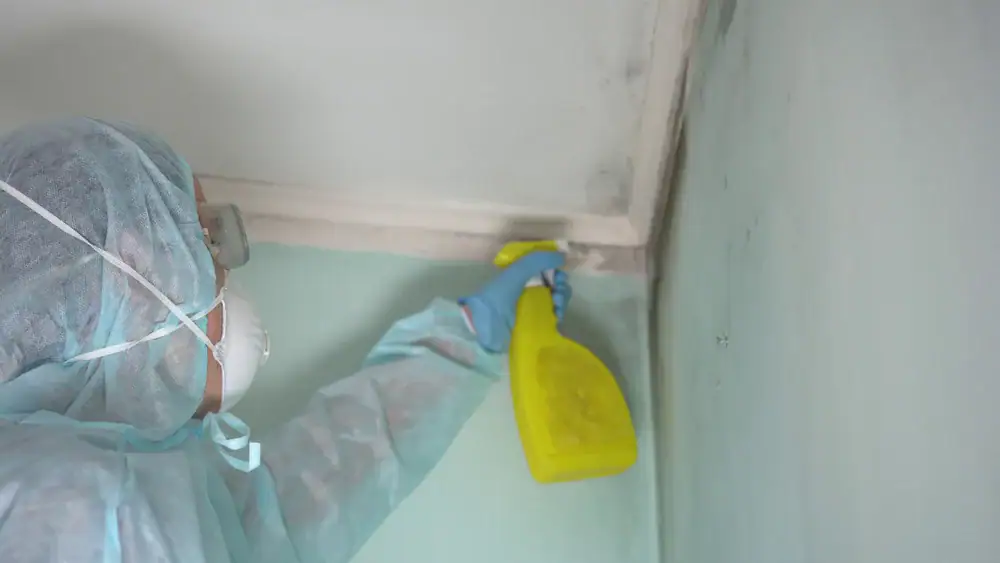
First, we conduct a thorough inspection to identify all affected areas and locate the moisture source causing the problem. You can’t fix mold without fixing what’s feeding it.
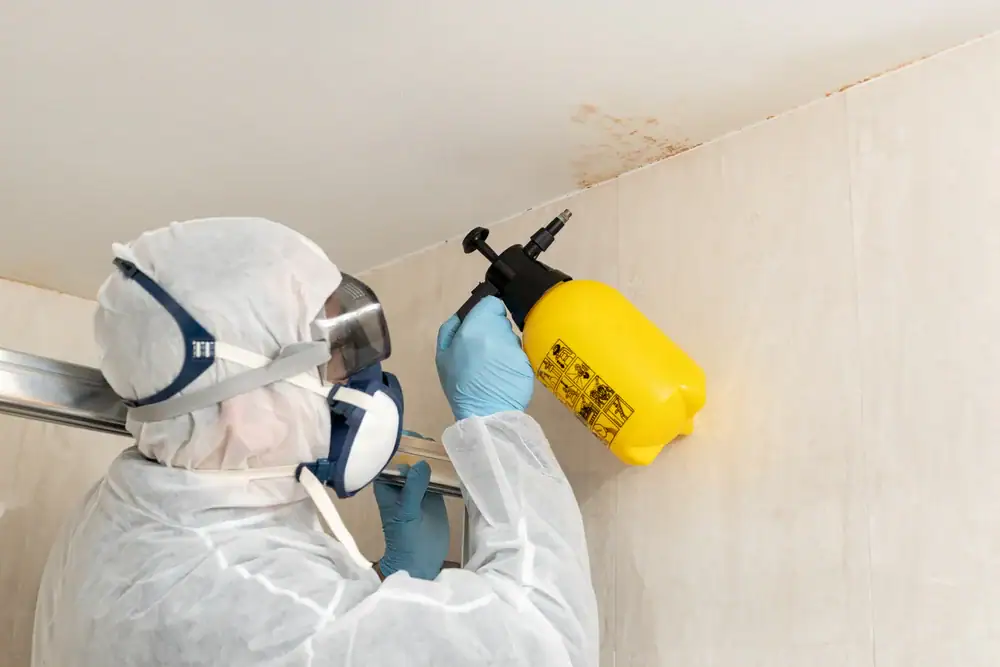
Next comes containment—sealing off the work area so mold spores don’t spread to clean parts of your property during removal. Professional-grade equipment maintains negative air pressure to keep contamination controlled.
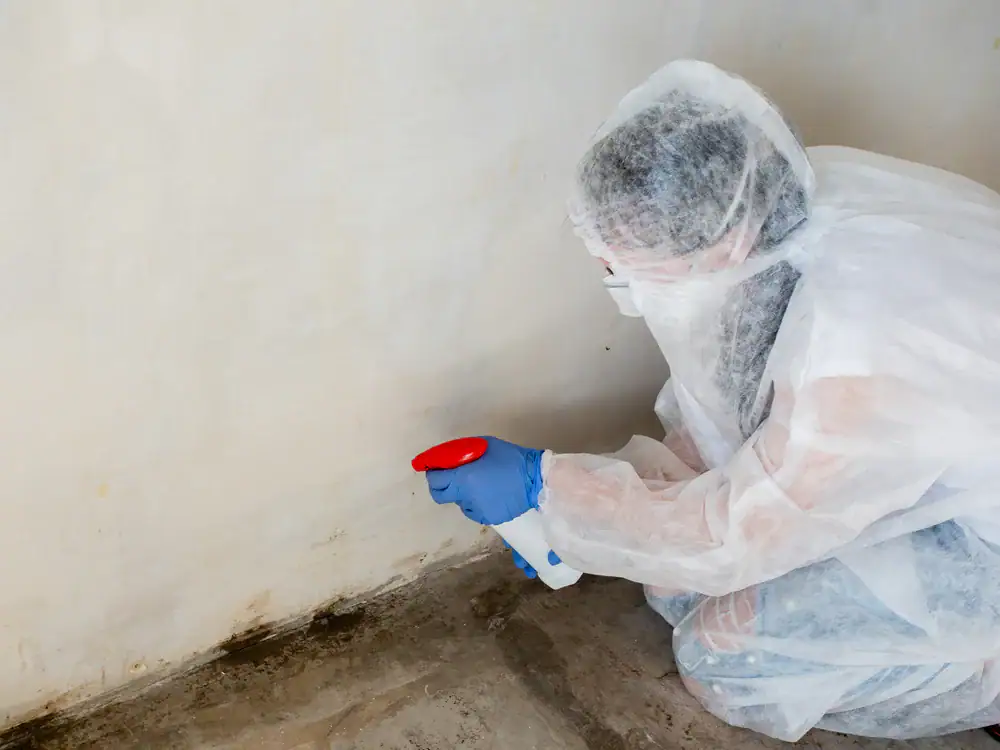
Then the actual removal begins. Contaminated materials get safely extracted and disposed of. Surfaces get cleaned with specialized antimicrobials. Everything gets dried thoroughly using industrial dehumidifiers and air movers.
Finally, we restore your property to pre-damage condition, often working with your general contractor to ensure seamless reconstruction.
Ready to get started?
Your mold removal service includes complete inspection, containment, removal, sanitization, and restoration. We handle insurance claims paperwork and coordinate with other professionals when needed.
Wisconsin properties face unique challenges. The state’s climate means humidity control becomes critical year-round. Summer humidity often exceeds 80%, well above the EPA’s recommended 60% maximum for mold prevention. Winter condensation issues create additional moisture problems along exterior walls.
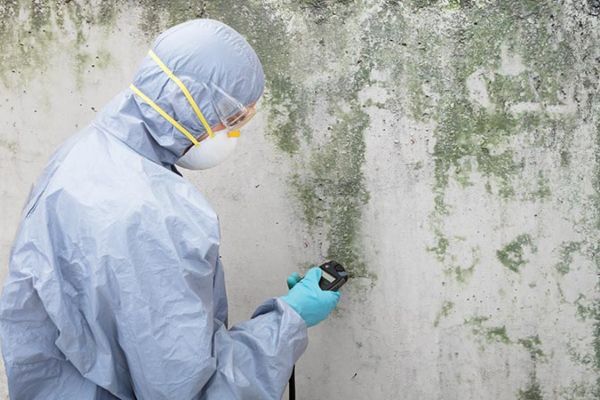
Local building materials and construction methods also influence how mold spreads in Washington Heights homes. We understand these regional factors and adjust our approach accordingly. Every job gets tested for safety before completion.
We respond to emergency calls within 90 minutes on average, with 24/7 availability every day of the year. Speed matters because mold continues spreading until the moisture source gets eliminated and proper containment begins.
Emergency response includes immediate assessment, moisture source identification, and temporary containment if needed. The goal is stopping further damage while developing a complete remediation plan.
Same-day service is available for most situations. We understand that mold problems create health concerns and property damage that shouldn’t wait for regular business hours.
All our technicians hold IICRC certification and we maintain MRSC registration. These certifications require ongoing education and testing to ensure current knowledge of industry best practices and safety protocols.
We also follow Wisconsin State Labor and Industries regulations along with EPA guidelines for mold remediation. Every employee receives continuous training on new techniques and equipment.
Certification isn’t just paperwork—it means your technicians know how to handle mold safely without creating additional health risks or property damage during the removal process.
Yes, we assist with insurance claims documentation and work directly with adjusters when needed. This includes providing detailed damage assessments, remediation plans, and progress reports throughout the project.
Insurance coverage for mold varies significantly between policies. We help you understand what’s covered and document everything properly to maximize your claim potential.
We also coordinate with other contractors your insurance company requires, ensuring all work meets insurance standards and gets completed efficiently without delays or coverage disputes.
Prevention starts with eliminating the moisture source that caused the original problem. This might mean fixing leaks, improving ventilation, or addressing humidity control issues specific to Wisconsin’s climate.
We identify why mold grew in the first place—whether from roof leaks, plumbing issues, basement moisture, or inadequate ventilation. Without fixing the root cause, mold will return regardless of how thoroughly it gets removed.
Post-remediation recommendations include maintaining indoor humidity below 50%, ensuring proper ventilation in bathrooms and kitchens, and regular inspection of areas prone to moisture problems in local homes.
Surface cleaning removes visible mold but doesn’t address contamination within porous materials or the underlying moisture problem. Professional remediation involves complete containment, removal of contaminated materials, and restoration of affected areas.
Small surface mold (under 10 square feet) might be cleanable with household products. Larger areas, hidden mold, or contamination from sewage requires professional equipment and expertise to handle safely.
Professional remediation also includes air quality testing, proper disposal of contaminated materials, and verification that the work area is safe before restoration begins. DIY cleaning often spreads spores to previously unaffected areas.
Timeline depends on the extent of contamination and the moisture source complexity. Small, contained areas might take 2-3 days while extensive basement or whole-house situations can require 1-2 weeks.
The process includes inspection, containment setup, removal, drying, testing, and restoration. Each phase has specific requirements that can’t be rushed without compromising safety or effectiveness.
Drying time is often the longest phase—materials must reach specific moisture levels before reconstruction can begin. Wisconsin’s humidity can extend drying time, especially during summer months when outdoor humidity exceeds 80%.
Other Services we provide in Washington Heights