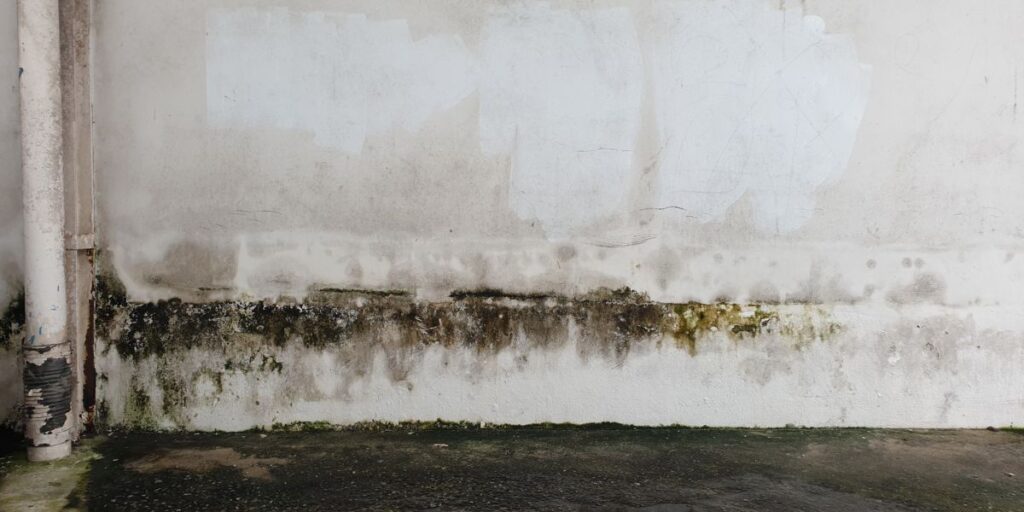
Sewer backup cleanup in Milwaukee means treating the water as category 3: contain the area, throw out carpet, pad and soaked drywall rather than clean them, sanitize every hard surface, then dry the structure. Flood Guys answer 24/7 across Milwaukee County.
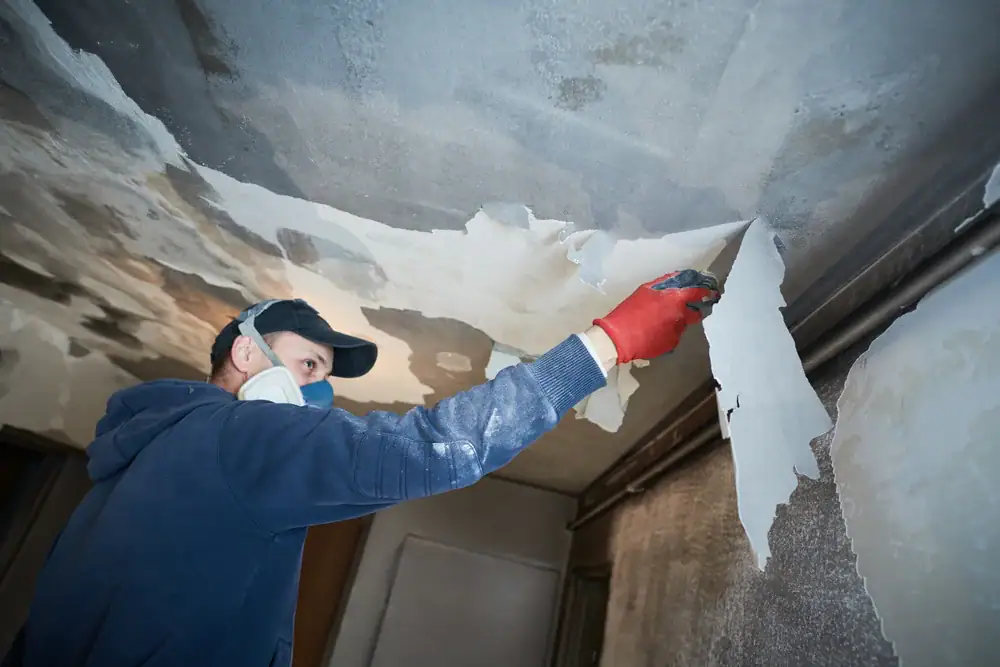
Experiencing sewage damage can be distressing and poses significant health risks. Immediate action is crucial to prevent further water damage and ensure the safety of your property. Our 24/7 emergency sewage damage cleanup services are ready to respond quickly, mitigating the situation effectively.
Biohazard Exposure: Sewage contains harmful pathogens, bacteria, and viruses that pose significant health risks to your family and pets.
Structural Deterioration: Wastewater can quickly seep into floorboards, drywall, and framing, leading to long-term structural instability.
Secondary Damage: High moisture levels from sewage spills create the perfect breeding ground for mold and mildew within 24 to 48 hours.
Advanced Extraction & Drying: We utilize industrial-grade pumps and dehumidifiers to remove standing water and moisture quickly and efficiently.
Deep Disinfection: Our team uses professional-grade antimicrobial treatments to sanitize and deodorize every affected surface.
A backup is either your line or the city’s, and the fix is different for each. These are the three that cause most of them.
Grease poured down a kitchen drain cools and hardens in the line, and wipes sold as flushable do not break down. The blockage builds until the lowest drain in the house, usually the basement floor drain, becomes the overflow point.
Heavy rain and fast snowmelt put more water into the system than it can carry, and Milwaukee’s sewer district notes that cracked laterals in the older parts of the city let groundwater in as well. When the main is full it comes back up your floor drain, often during the same storm.
The pipe running from the house to the street is often as old as the house, and about a third of Milwaukee homes predate 1940. Tree roots find the cracks, spread inside the pipe and catch everything that flows past until it blocks completely.
Sewage is a decontamination job that happens to involve water, and that framing changes everything about how it runs.
1. Containment and protection. Category 3 water carries bacteria, viruses and parasites, so the affected area is contained with physical barriers and negative air pressure before cleaning starts, and crews work in full PPE. This stops the cleaning itself from spreading contamination into clean parts of the property, which is the main risk of doing it yourself.
2. Extraction and removal. Waste and water are extracted, then everything porous that it touched comes out. That means carpet, pad, unfinished drywall, insulation, particle board and soft furnishings. This is not caution, it is that porous materials cannot be reliably decontaminated once sewage has soaked into them.
3. Clean and disinfect. Every remaining surface is cleaned and treated with an appropriate antimicrobial, including the framing and subfloor behind what was removed.
4. Dry and verify. Structural drying to a measured target with daily readings, then a check that the space is genuinely safe rather than just dry.
5. Rebuild. Only once it is clean and dry does new material go back in.
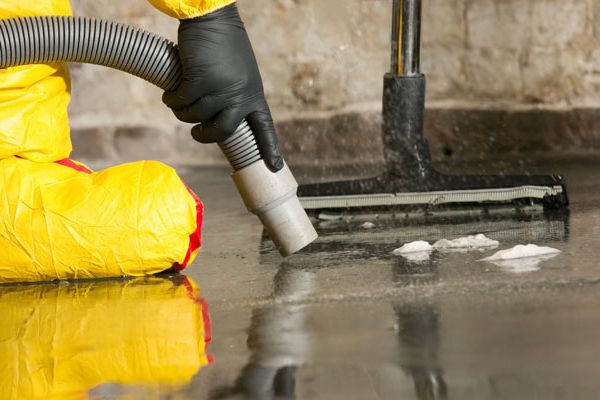
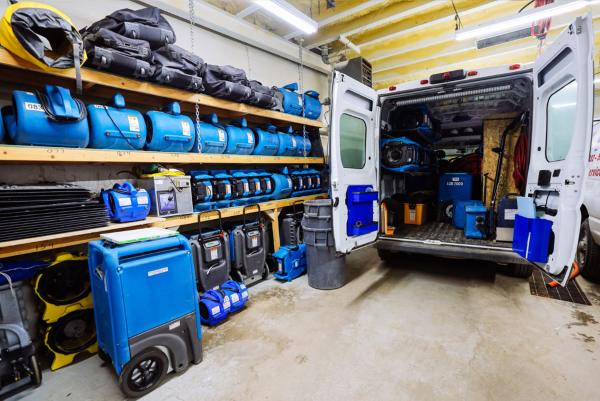
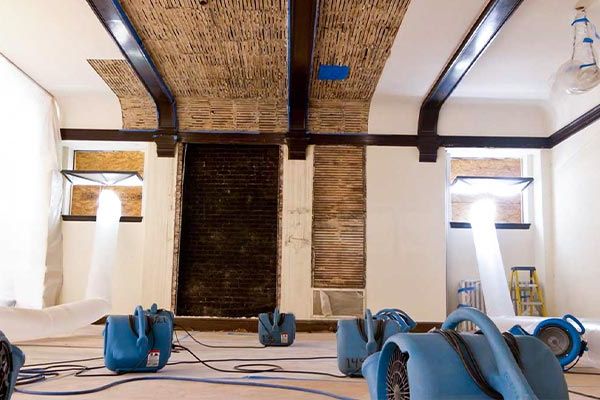
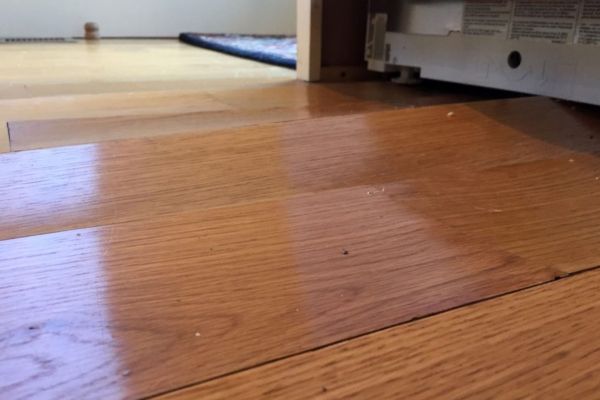
Don’t let sewage damage disrupt your life. Contact us now to set up your personalized sewage damage cleanup plan. Taking swift action can significantly reduce health risks and expedite your recovery.
Usually only if you bought the endorsement, and this is the single most commonly missing coverage we see in Milwaukee County.
Most standard homeowners policies exclude sewer and drain backup. It is not an oversight in your policy, it is how these policies are written nationally, and the cover is added by a separate rider that is generally inexpensive. Most people find out they do not have it on the day they need it.
Two related distinctions. If the backup was caused by a sudden failure on your own line, some policies respond differently than if it came from the municipal main. And if water rose from the ground rather than backing up through a drain, that is a flood question and needs flood insurance, which is separate again.
Whatever the answer, the documentation from the first visit is what the claim rests on. We record the water source, the extent, and every item removed with photographs, before anything leaves the property. If you do not have the endorsement, we will tell you that before we start rather than after.
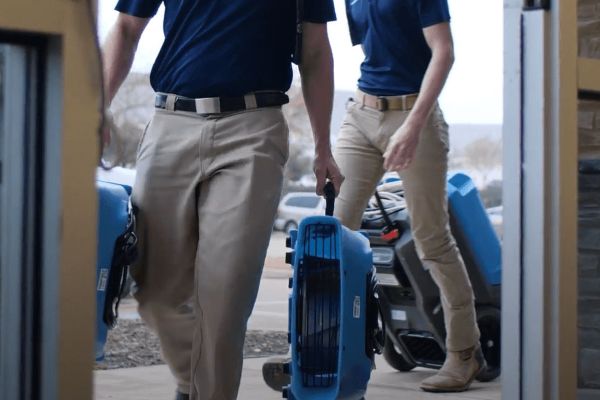
While you wait for our professionals to arrive, consider these steps to help manage the situation safely:
Stay away from the affected area to minimize exposure to harmful contaminants and bacteria.
If safe, turn off the main water supply and electricity to prevent further issues and hazards.
If you must enter the area, wear gloves, masks, and protective clothing to protect yourself from pathogens.
Take photos or videos of the sewage damage for your insurance records, which can assist in filing claims.
Contact your insurance provider to report the damage and discuss coverage options as soon as possible.
A shop vac is the wrong tool and the wrong risk. This is category 3 water, meaning grossly contaminated, and it carries bacteria, viruses and parasites rather than just dirt.
Three specific problems. Standard vacuums exhaust air, so pulling sewage through one aerosolizes contaminants into the room you are standing in. Cleaning without containment carries contamination on your feet and equipment into unaffected parts of the property. And porous materials that absorbed it cannot be surface-cleaned back to safe, so the visible cleanup leaves the actual hazard in place inside the carpet pad and the drywall.
There is also the part people discover later: sewage soaks into the subfloor and the bottom plate of the wall, and a space that looks clean can keep producing a smell and a health risk for months.
If it is a very small, contained spill on a hard non-porous surface, careful cleaning with proper PPE is reasonable. Anything involving carpet, drywall, or more than a few square feet is a containment job.
Containment is what separates a sewage job from a wet cleanup, and it is more than shutting a door.
Physical barriers, usually sheeting sealed at the edges, isolate the affected area. Negative air pressure is then established with air scrubbers so that air flows into the contained space and out through HEPA filtration rather than drifting into the rest of the house. That means when a door has to open, contaminated air does not follow the technician out.
Crews work in full PPE and materials leaving the containment are bagged inside it rather than carried out loose. Traffic paths are protected, because the most common way a job spreads contamination is on somebody’s boots.
The HVAC system is shut down for affected areas for the same reason, since running it would distribute contaminated air through the whole building.
The dividing line is porous versus non-porous, and it is stricter than people expect because you cannot verify decontamination inside a material.
Removed: carpet and pad, unfinished drywall, insulation, particle board and MDF furniture, mattresses and upholstered items, and any paper or textile goods that took it on. These absorb contaminated water into a structure that cannot be reliably cleaned or verified.
Usually saved: sealed hard surfaces such as tile, glass, metal, solid wood and finished concrete, all of which can be cleaned, disinfected and tested.
Hardwood flooring is the genuine judgment call, and it depends on the finish, how long the water sat, and whether it reached the subfloor beneath.
Everything removed is photographed and listed before it leaves. That list is your contents claim, and it cannot be rebuilt from memory afterwards.
It is roughly an even split, and which one it is decides who pays.
On your side of the line, the usual culprits are grease poured down a kitchen drain that cooled and hardened, wipes and hygiene products that do not break down whatever the packet says, and tree roots that have found a joint in an older clay lateral. Root intrusion is very common in Milwaukee County given the age of the housing stock.
On the city side, the main surcharges during heavy rain or fast snowmelt when more water enters the system than it was built to carry, and it backs up through the lowest opening it can find, which is usually a basement floor drain.
The distinction matters because a municipal surcharge may be claimable against the city, and because a lateral that failed through root intrusion will do it again unless the line is repaired or lined. We will tell you which one it looks like, since cleaning up without fixing the cause means doing this twice.
It comes down to riders rather than the base policy, and it is worth checking before you need it.
Most standard homeowners policies exclude sewer and drain backup entirely. The cover is added by endorsement, is usually inexpensive, and is the single most commonly missing coverage we encounter in this county. Limits on those endorsements are often lower than people assume, so it is worth reading the number as well as confirming you have it.
Separately, if water rose from the ground rather than backing up through a drain, that is flood rather than sewage, and it needs flood insurance, which carries a waiting period and cannot be arranged once rain is forecast.
Where the backup came from a municipal surcharge there may be a claim against the city, with its own notice deadlines that are often short. Raise it early rather than late.
We document the source, the extent and every item removed at the first visit and bill your carrier directly where the policy allows.
Most residential sewage jobs run three to seven days for the cleanup and drying, then longer for any rebuild.
The variables are how far it spread, how long it sat before anyone got to it, and how much has to be removed. A contained basement floor drain backup caught quickly is at the short end. Sewage that reached finished space, soaked into carpet and drywall and sat overnight is at the long end.
Two things add time that people do not anticipate. Removal has to finish before drying can start, unlike a clean water job where much of it dries in place. And if the cause was a failed or root-damaged lateral, that line needs repairing before the space is rebuilt, or you will be doing this again.
We give a range after the first assessment and update it when readings tell us something new.
If you’re facing water damage or have questions about our restoration services, don’t hesitate to reach out! Our dedicated team is here to assist you. Contact us today to discuss your needs, schedule a consultation, or get a free inspection. Let us help you on your path to recovery!