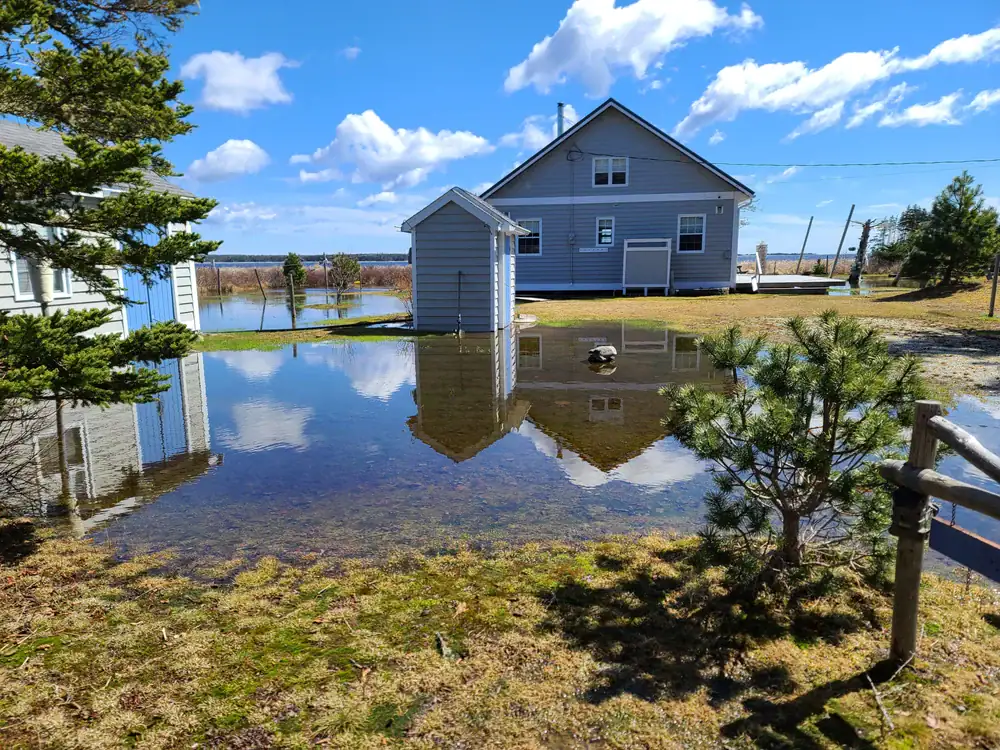
You wake up to your property looking like the storm never happened. No standing water pooling in your basement. No debris scattered across your yard. No lingering worry about hidden damage that could surface weeks later.
The stress lifts when you see your home or business fully restored to its pre-storm condition. Your insurance claim has been handled smoothly, without the back-and-forth confusion that leaves most people frustrated. You’re back to your normal routine, confident that the restoration was done right the first time.
Most importantly, you have peace of mind knowing that if another storm hits, you have a trusted team ready to respond immediately.
We’ve been serving Southern Wisconsin properties through every type of storm emergency. We’ve seen what the Menomonee River can do when it overflows—from the record-breaking August 2025 floods that turned Hart Park into a lake, to the smaller but still damaging storms that catch homeowners off guard.
We understand that this area’s unique geography creates specific challenges. The river can rise from one foot to fourteen feet in just hours, overwhelming even well-designed stormwater systems. That’s why we keep our equipment staged locally and maintain 24/7 availability.
When your neighbors needed help after that historic flooding, we were there. When the next storm hits, we’ll be ready again.
First, we arrive quickly—usually within hours of your call—to assess the full extent of storm damage. Our technicians document everything for your insurance claim while identifying immediate safety hazards that need attention.
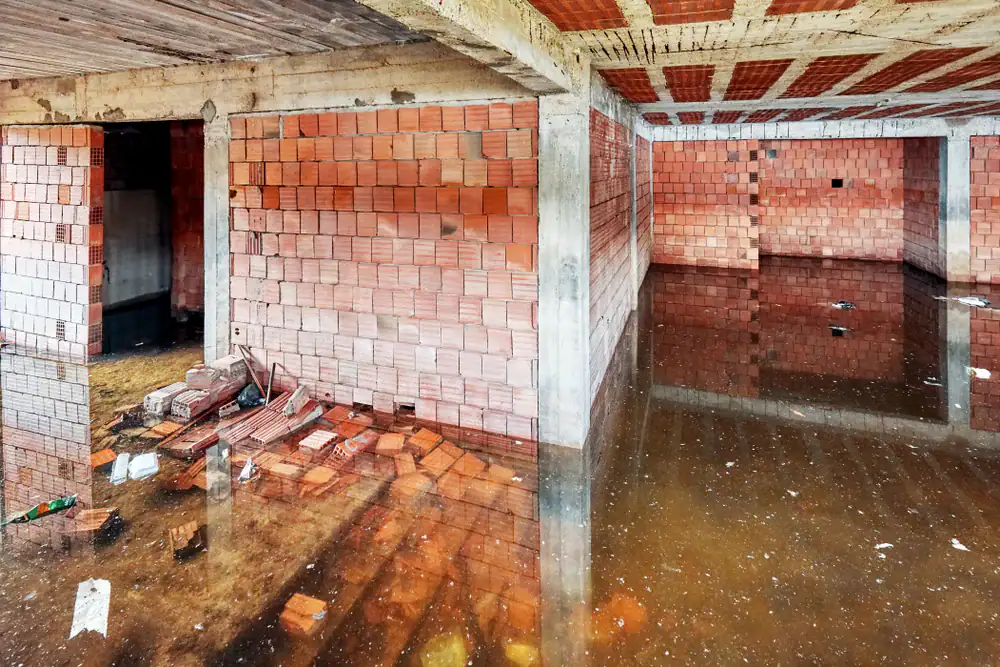
Next, we remove standing water using powerful extraction equipment, then clear debris and fallen branches from your property. This creates a safe working environment and prevents further damage while we develop your restoration plan.
Then we begin structural drying using industrial dehumidifiers and air movers to eliminate moisture from walls, floors, and hidden spaces. This step is critical for preventing mold growth and secondary damage that can appear weeks later.
Finally, we handle repairs to damaged areas including roofing, walls, and flooring. We don’t consider the job complete until your property is restored to its pre-storm condition and passes our final inspection.
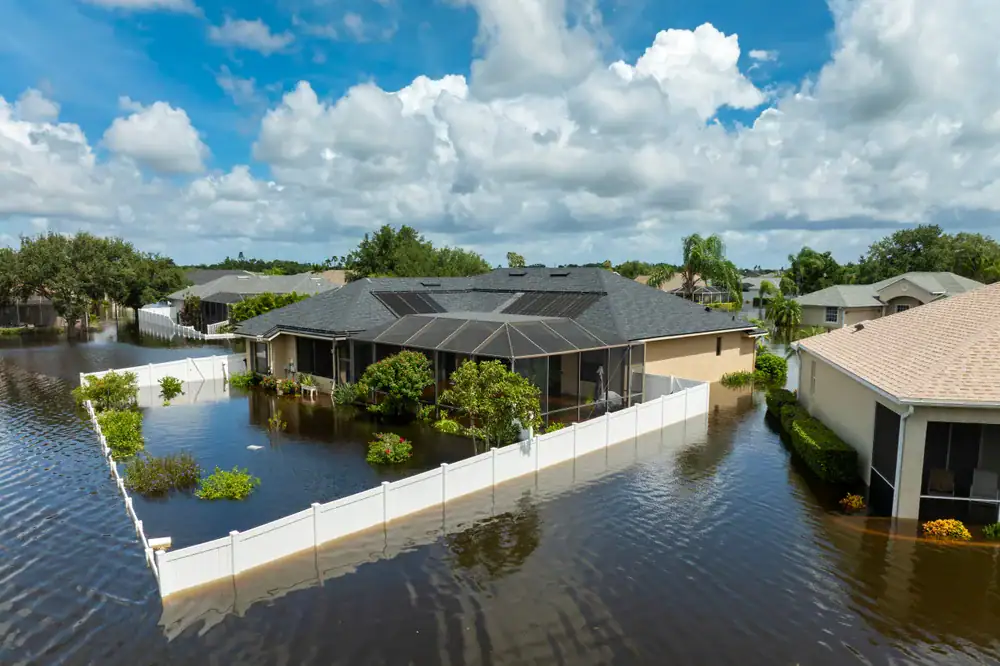
Ready to get started?
Your storm damage cleanup includes comprehensive water extraction to remove flooding from basements, crawl spaces, and main living areas. We use truck-mounted equipment that’s more powerful than typical shop vacuums, removing water quickly before it can soak deeper into your property’s structure.
Debris removal covers everything from fallen tree branches and damaged roofing materials to waterlogged furniture and personal items that can’t be salvaged. We handle the disposal properly, so you don’t have to worry about cleanup logistics during an already stressful time.
Structural drying and dehumidification prevent the secondary damage that often costs more than the original storm damage. The Menomonee River Valley’s humidity makes this step especially important—without proper drying, mold can start growing within 24-48 hours.
Insurance documentation and claim assistance help you navigate the paperwork without the usual confusion. We photograph damage, provide detailed estimates, and communicate directly with your insurance adjuster to streamline the process.
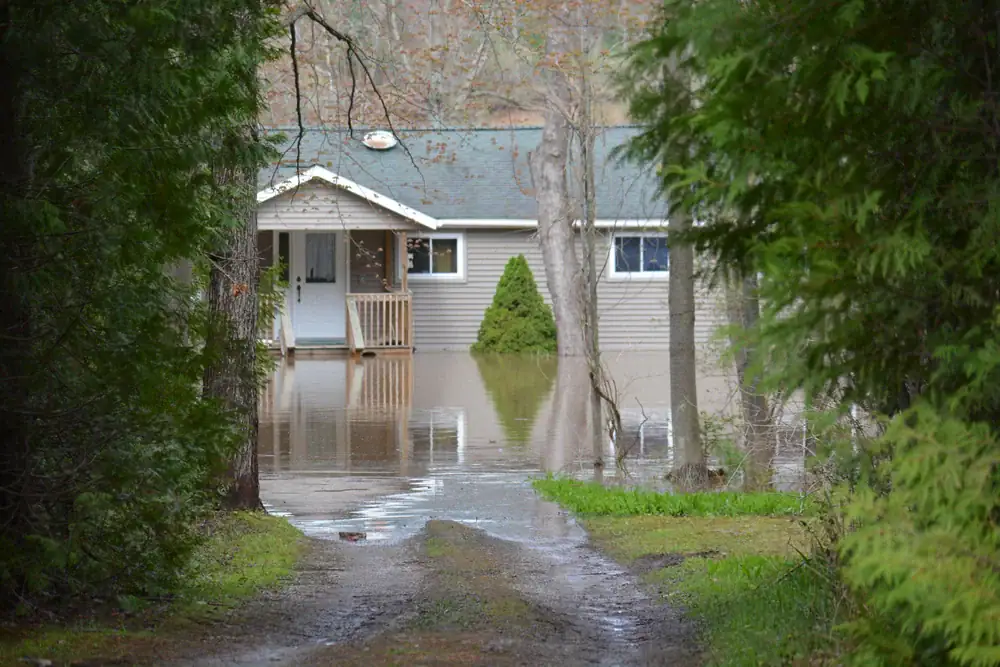
We maintain 24/7 emergency availability specifically because storm damage can’t wait. Most of our Menomonee River Valley calls get a response within 2-4 hours, even during major storm events when everyone needs help at once.
Our equipment is staged locally, not shipped in from other states, which means we can get to your property faster when timing matters most. During the August 2025 floods, we were responding to calls while other companies were still trying to get crews into the area.
The first few hours after storm damage determine how much secondary damage you’ll face later. Quick water extraction and debris removal can save thousands in additional repairs.
Most homeowner’s insurance policies cover storm damage from natural disasters like the flooding we see in the Menomonee River Valley. Coverage typically includes wind damage, water damage from storms, and debris removal.
However, coverage details vary significantly between policies. Some cover full replacement costs while others only cover actual cash value. Flood damage may require separate flood insurance, depending on the water source and your specific policy terms.
We work directly with insurance companies and can help you understand what’s covered before we start work. Our detailed documentation and direct communication with adjusters helps ensure you get the full coverage you’re entitled to, without the usual back-and-forth delays.
Water extraction removes the standing water you can see—the puddles in your basement, the soaked carpeting, the water pooling on floors. This is the first step, but it’s not enough to prevent damage.
Structural drying removes moisture that’s absorbed into walls, subflooring, insulation, and other building materials. Even after visible water is gone, these materials can hold moisture for weeks, creating perfect conditions for mold growth and structural deterioration.
We use moisture meters and thermal imaging to detect hidden moisture, then position industrial dehumidifiers and air movers to dry these areas completely. In the Menomonee River Valley’s humid climate, this step is especially critical—without proper structural drying, you’ll likely face mold problems within days.
We remove all storm debris from your property, including fallen trees, damaged roofing materials, waterlogged furniture, and any other materials that can’t be salvaged. This isn’t just hauling things to the curb—we handle proper disposal according to local regulations.
Large debris like fallen trees requires specialized equipment and expertise, especially when trees have fallen on structures or power lines. We coordinate with utility companies when necessary and use proper safety procedures to remove hazardous debris without causing additional damage.
We also separate salvageable items from total losses, helping you recover what can be restored while properly disposing of contaminated materials. Everything gets documented for your insurance claim, so you have records of what was lost and what was saved.
Mold prevention starts with rapid response—mold can begin growing within 24-48 hours after water damage, especially in Wisconsin’s humid climate. The key is removing moisture completely before mold has a chance to establish.
We use industrial dehumidifiers, air movers, and moisture detection equipment to eliminate moisture from all affected materials, including hidden areas like wall cavities and subflooring. Simply removing visible water isn’t enough—structural materials must be dried to safe moisture levels.
If we find existing mold growth during our assessment, we address it immediately with proper containment and removal procedures. Our goal is to restore your property to a safe, healthy condition, not just make it look clean on the surface.
First, ensure your safety—stay away from downed power lines, avoid walking through standing water, and don’t enter areas with structural damage until they’ve been assessed. Your safety is more important than protecting property.
If it’s safe to do so, take photos or videos of the damage for insurance documentation. This helps support your claim and gives us information about the situation before we arrive.
Turn off electricity to affected areas if you can do so safely, and try to remove valuable items from areas with standing water. Don’t use regular household fans or equipment in wet areas—this can actually spread moisture and make the problem worse. Wait for professional equipment that’s designed for water extraction and structural drying.
Other Services we provide in Menomonee River Valley